Preremembering Rick Brown, Oregon Conservationist
Top Line: The natural forests of Oregon, the Pacific Northwest, and the nation are the better for the sustained efforts of Rick Brown.
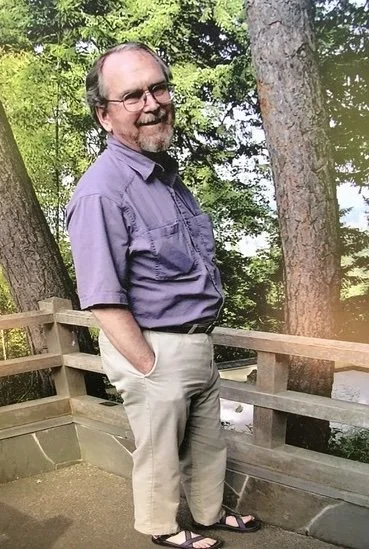
Figure 1. Rick Brown, Oregon conservationist. Source: Lost to history.
From Badger Creek Wilderness east of Mount Hood to Steens Mountain in the Oregon High Desert, and especially in older forests across Oregon, the Pacific Northwest, and the nation, Oregon conservationist Rick Brown has left his mark.
This is a preremembrance similar to those I’ve done previously for other Oregon conservation legends: Bob Packwood, Jim Weaver, Norma Paulus, Barbara Roberts, James Monteith, Mary Gautreaux, Brock Evans, and Jerry Franklin and Norm Johnson. It is my practice to eulogize great Oregonians who have made great and lasting marks on Oregon’s and the nation’s natural landscapes while they are still around to read the high praise they richly deserve.
After growing up on a farm in western Massachusetts, Rick came to Portland to finish up his undergrad years at Reed College. It was in Portland that Rick found his tribe. He bounced around Portland, evolving from one job to another.
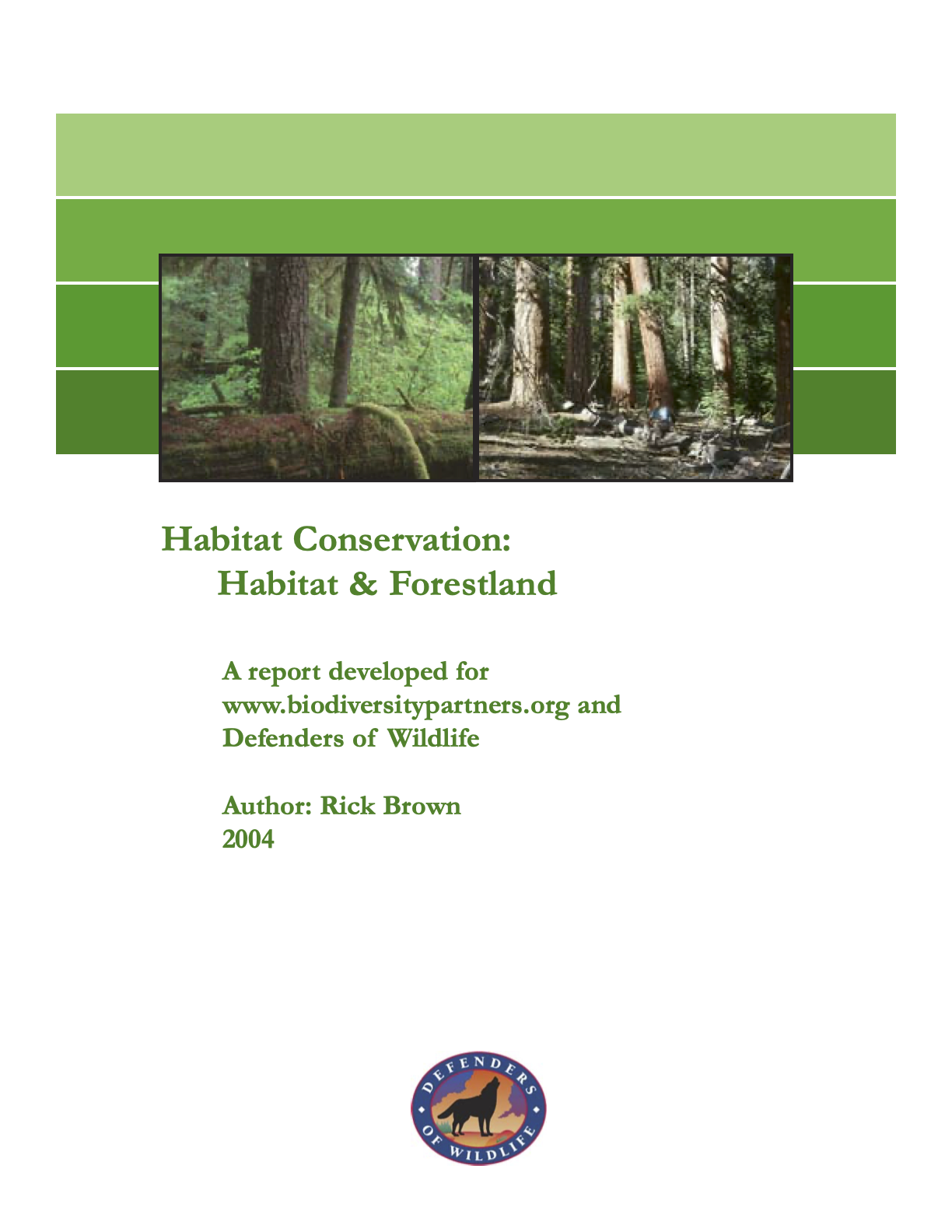
Figure 2. Rick’s reports educated not only policymakers and members of the media but also his fellow conservationists. Source: Defenders of Wildlife.
In his senior year at Reed, he got a job—and a thesis topic—with a research project at the Oregon Primate Center, which was then based at a hearing research lab at the University of Oregon Medical School (now Oregon Health Sciences University). There he met the love of his life, Ruth Robbins. As Rick was working for the Oregon Division of Higher Education, he could take classes in ecology at Portland State University on the cheap. He eventually left the lab to go to graduate school at PSU and conduct field research full time—while working as a graduate teaching assistant.
About this time, Rick first engaged with the Audubon Society of Portland (now Bird Alliance of Oregon), an engagement that would last decades. He spent four weekends on field trips to the Badger-Jordan Planning Unit on the east side of the Mount Hood National Forest, where he met hard-core Portland Audubon members Linda Craig, Mike Houck, and Deb Lev. Building on many years of work by the Mount Hood Forest Study Group, Rick and others championed the inclusion of the Badger Creek Wilderness in the Oregon Wilderness Act of 1984.
After that, he went to work for the Forest Service as a biologist for the Mount Hood National Forest. Rick never got that PhD, though just a few hours stood between him and the degree. The bastards were clear-cutting ancient forest on federal public forestlands, and that had to be stopped! No time to defend a thesis!
Figure 3. No time for cover art as Rick quickly produced this report to make the case for President Clinton’s proclaiming the Steens Mountain–Alvord Desert area a national monument. It didn’t happen. What did happen was that Congress enacted the Steens Act of 2000, which was signed into law by Clinton. Even better. Source: The Wilderness Society (who paid for the report).
Being a bureaucrat didn’t stop him, as Rick agitated within the bureaucracy for nature. He also joined the boards of both Portland Audubon and the Oregon Natural Resources Council (now Oregon Wild), both of which were actively engaged in appealing and litigating old-growth timber sales. Eventually, this checkered past of volunteer activism, graduate school, and agency experience led him to a plum job with the Portland regional office of the National Wildlife Federation (NWF).
In 1993, President Clinton and half his cabinet came to Portland to try to resolve the Pacific Northwest ancient forest political-ecological crisis. Rick was instrumental in raising the alarm about the loss of ancient forests. Clinton invited Rick to share his views, and he did!
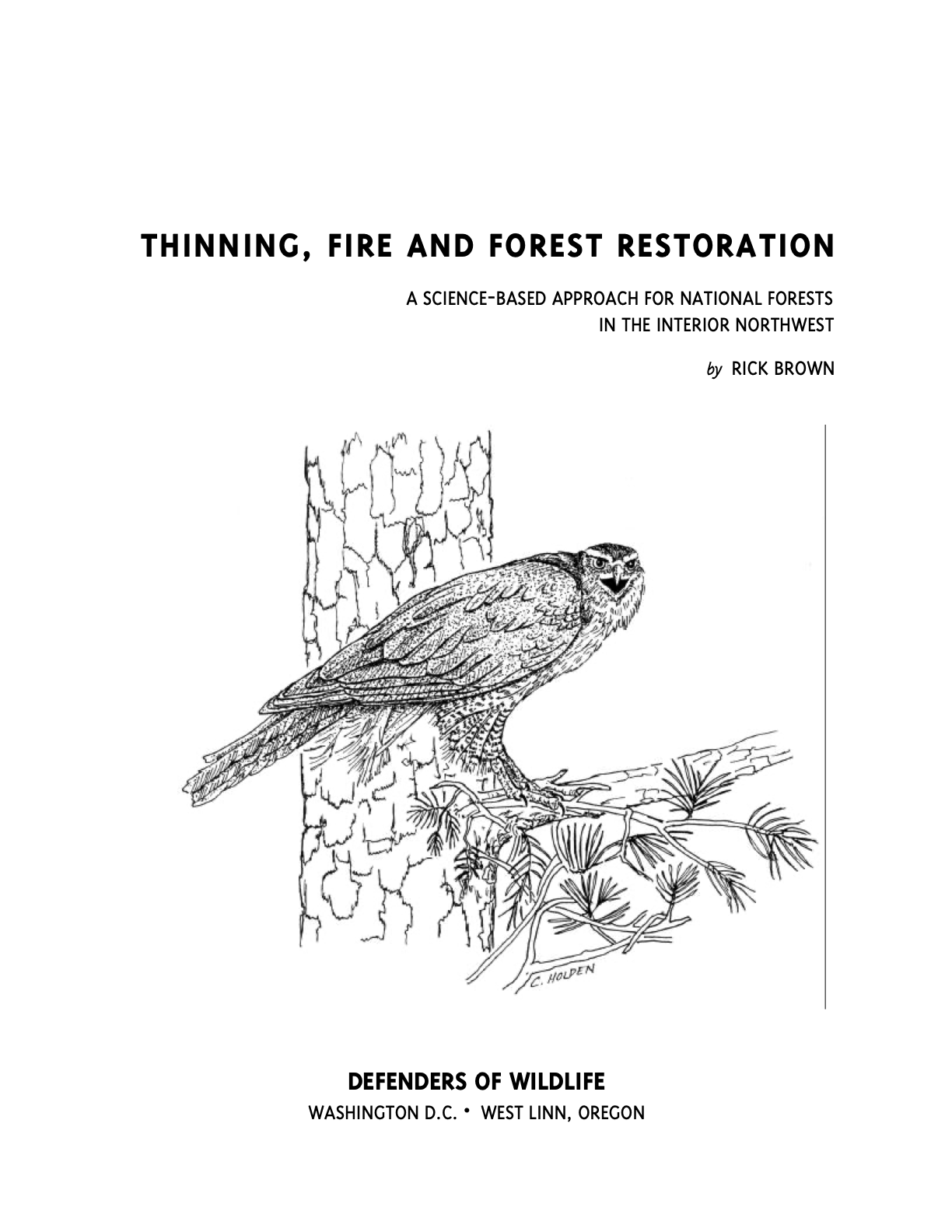
Figure 4. Rick wanted to preserve not only forests but also, more importantly, forest function. He recognized that degraded dry forests in the Intermountain West needed active management to recover into functioning old-growth forests again. Source: Defenders of Wildlife.
After he had been with NWF for twelve years, NWF—alas—eliminated its national forest program, which consisted of Rick. That led Rick to freelancing for a couple of years, with an emphasis on the free part. He continued to volunteer for Portland Audubon, including working on what became the Steens Mountain Act in 2000. The eco-gods came through again, because Rick then joined Defenders of Wildlife. Defenders provided not only a home to continue his conservation advocacy but also wonderful support through Rick’s medical adventures in which he traded out his immune system for one that wasn’t so obstinate.
During and after Defenders, Rick was a stalwart with the Lakeview Stewardship Group, seeking to restore dry ponderosa pine and mixed conifer forests of south-central Oregon.
Rick retired from Defenders in 2010 and later transitioned his science-based conservation advocacy to help with the planet’s most existential threat—climate change. The veteran conservation warrior for ancient forest on federal public lands, who had long been an inspiration to his generation, decided to engage with and inspire the next generation of conservationists at 350PDX.
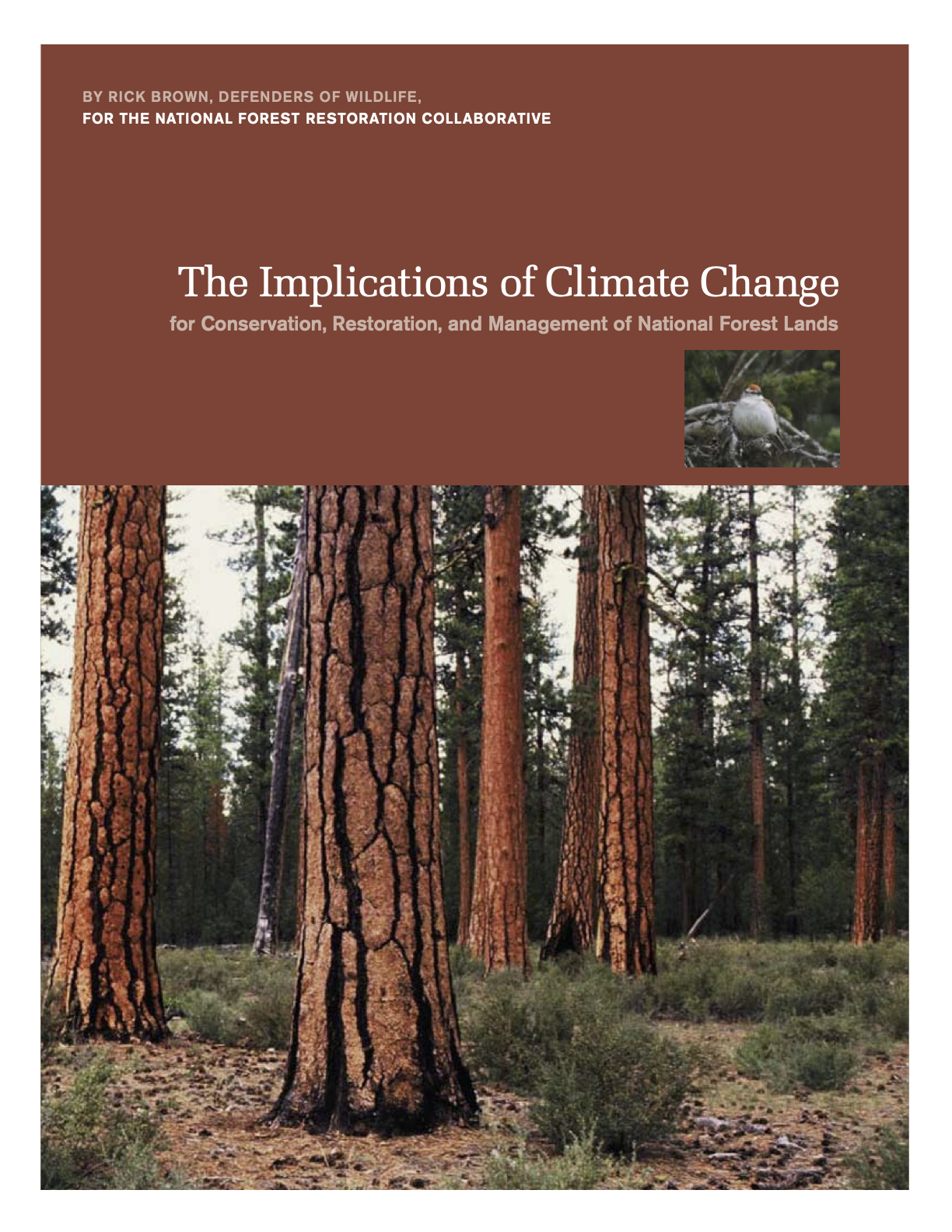
Figure 5. Rick was one of the first conservationists to clearly articulate the connection between forest preservation and climate preservation. Source: Defenders of Wildlife.
Though self-effacing and always congenitally anxious to deflect any credit directed his way, Rick Brown has been instrumental in moving our Oregon from a place where more than three square miles of ancient forest on federal public lands were being clear-cut each week to one that generally embraces older forest conservation. He has added to the understanding that saving and restoring older forests is a vital part of saving the climate, as in those cathedral-like stands is sequestered one massive amount of carbon.
I first met Rick in the 1970s when he was volunteering in a small office in Lake Oswego to inventory Oregon’s rare plants. Over the decades we became not only fellow warriors but also close friends. Rick was always there to help me, whether I was writing books (a couple published and one now in progress) or trying to understand the science so I might better advocate for nature. Several of my best soundbites arose in discussions with Rick in the field and/or over a beer.
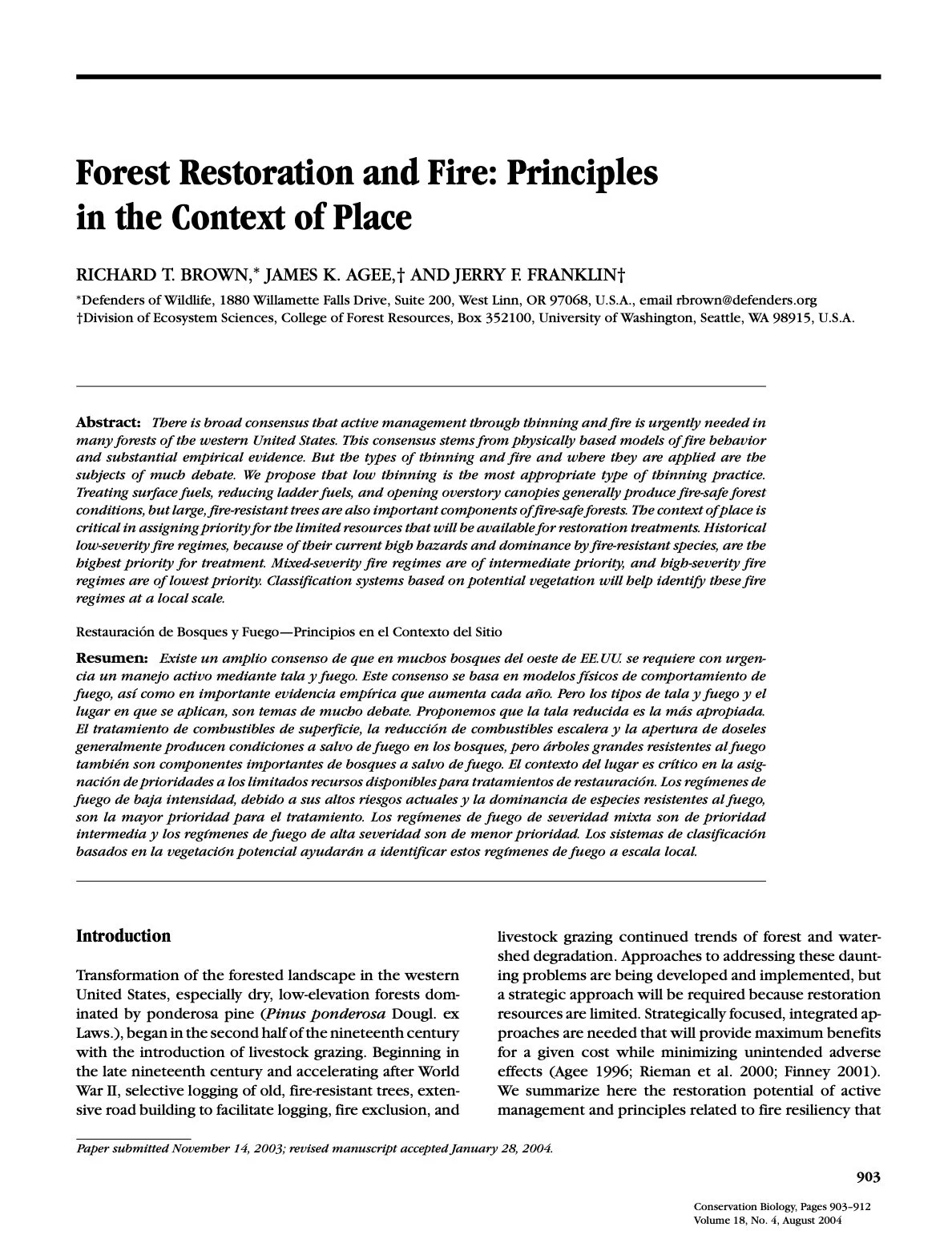
Figure 6. Rick not only authored advocacy reports published by the organizations he worked for but also was published in scientific journals. Source: Society for Conservation Biology.
Rick Brown has left the forests of our nation better off than they would have been had he not been on the case. He has been instrumental in saving some forestlands permanently (legislatively) and other forestlands temporarily (administratively), and he has helped make an issue of the rest. Rick has also witnessed the loss of mature and old-growth forests now in need of scientifically sound ecological restoration. The fight for forests will continue as Rick’s (and my) generation fades out and the next generation carries on.
Thanks, Rick!
Bottom Line: For many decades, Rick Brown moved the needle on conservation of Oregon’s wildlands, wild waters, and wildlife.