Old-Growth Forests on Western Oregon BLM Holdings, Part 1: The Existential Threat
This is the first in a series of two Public Lands Blog posts on the existential threat to old-growth forests on western Oregon Bureau of Land Management holdings posed by the Trump administration. Part 1 explores the BLM’s plans to quadruple logging levels on its forestlands in western Oregon and also calculates when the last BLM old-growth tree would have been sold had the agency not been slowed by judicial action in 1992. Part 2 will suggest a permanent solution that would ensure the protection of 2.6 million acres of BLM lands in western Oregon.
Top Line: Trump’s plan to return to historic levels of timber production on western Oregon BLM holdings will spell the end of mature and old-growth forests on those lands, along with degraded water quality and extirpated species.
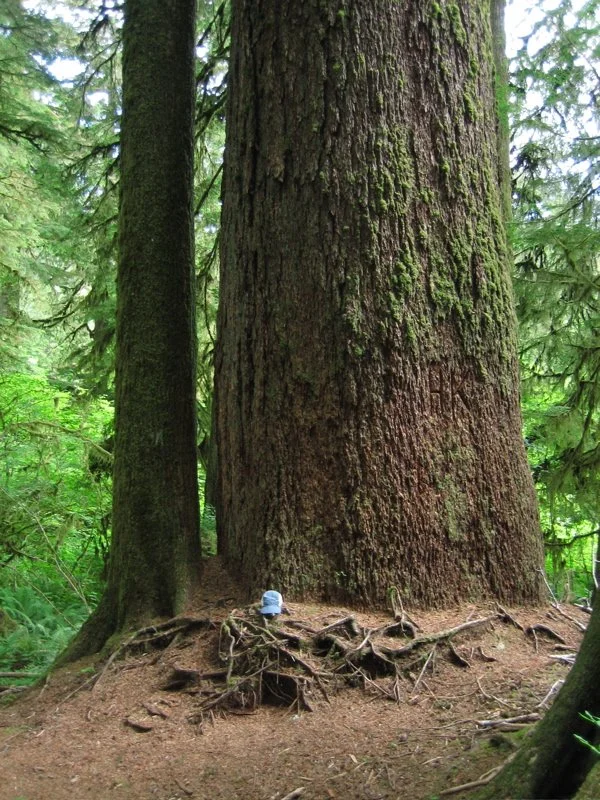
Figure 1. Old-growth Douglas-fir in the BLM’s Valley of the Giants Outstanding Natural Area. The hat (not a MAGA hat) is for scale. Source: Wikipedia (Sylvanwilliams).
Bureau of Land Management (BLM) forestlands in western Oregon (defined as the eighteen counties west of the Cascade Crest plus Klamath County) encompass old growth as well as less mature (old-growth-in-waiting) forests. Old-growth stands (defined by the BLM as containing trees 200+ years old) now amount to only 14.5 percent of those forestlands, or 366,425 acres. This is an area equal to that covered by nearly twenty-five of Oregon’s largest cities combined: Portland, Salem, Eugene, Bend, Medford, Hillsboro, Gresham, Klamath Falls, Beaverton, Redmond, Albany, Springfield, Corvallis, Prineville, Tigard, Warrenton, Happy Valley, Grants Pass, Pendleton, Lake Oswego, Roseburg, Coos Bay, McMinnville, Oregon City, and three-fifths of Newport.
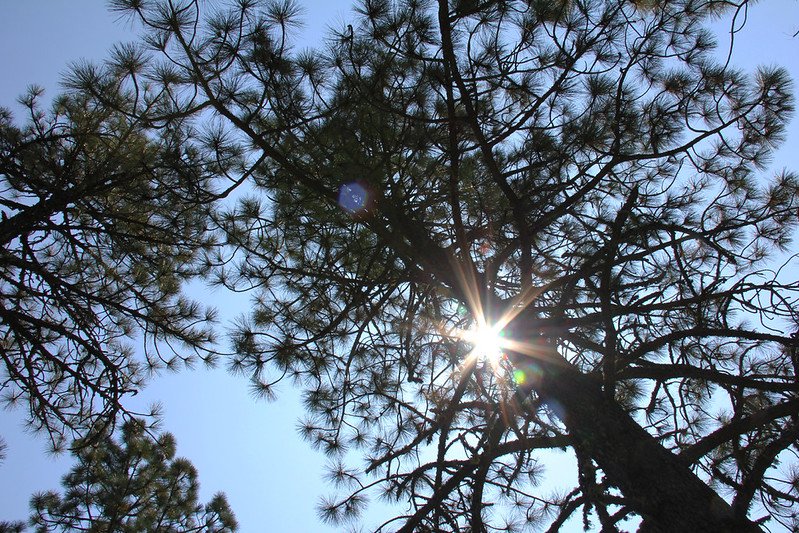
Figure 2. Old-growth ponderosa pine on serpentine soils on Eight Dollar Mountain. While this is a lousy growing site for trees (which nevertheless become large enough to log), the soils do support several endemic plant species. Source: Bureau of Land Management.
The Trump administration intends to clear-cut these remaining old-growth forestlands. Explaining proposed updates to BLM resource management plans for the timberlands in western Oregon, acting BLM director Bill Groffy said, “Bringing timber production back to historic levels is essential for reviving local economies.”
What are “historic levels”? At the peak of clear-cutting in 1988, the BLM was logging nearly two square miles (or 884 American football fields) per month on its western Oregon holdings. Had the agency continued apace at their ca. 1990 old-growth-forest liquidation levels and logged each and every last old-growth stand on its holdings (including in wilderness areas, wild and scenic rivers, and areas of critical environmental concern), the BLM would have sold its very last old-growth tree in 2025.
But this didn’t happen, as the BLM in 1992 was legally enjoined from logging its remaining old-growth forests in western Oregon. Later President’s Clinton’s Northwest Forest Plan of 1994 and President Obama’s 2016 BLM Resource Management Plan revisions continued to clamp down on BLM old-growth logging. We will summarize that history and then review the calculations to project what “historic levels” of timber production will mean.
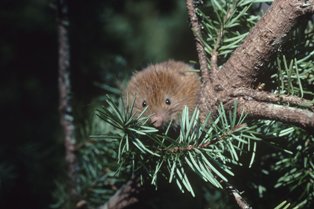
Figure 3. Red tree vole.The north Oregon Coast Range distinct population segment is qualified for protection under the Endangered Species Act. Source: Stephen DeStafano (first appeared in Oregon Wild: Endangered Forest Wilderness, Timber Press 2004).
The Injunction and the Plan That Stopped the Previous Clear-Cutting
In 1992, Judge Helen Frye of the United States District Court for Oregon enjoined the BLM from conducting any more timber sales in western Oregon in the habitat of the northern spotted owl, which requires old-growth forests to survive. Similar timber sales on national forests in western Oregon, western Washington, and northwestern California had been enjoined earlier. In 1993, President Clinton ordered the development of the Northwest Forest Plan (NWFP), which was adopted in 1994. Under the NWFP, logging levels decreased dramatically, with relatively few logs coming from old-growth forests. Since that time, more than not, the BLM has minimized the logging of old-growth forests—until now.
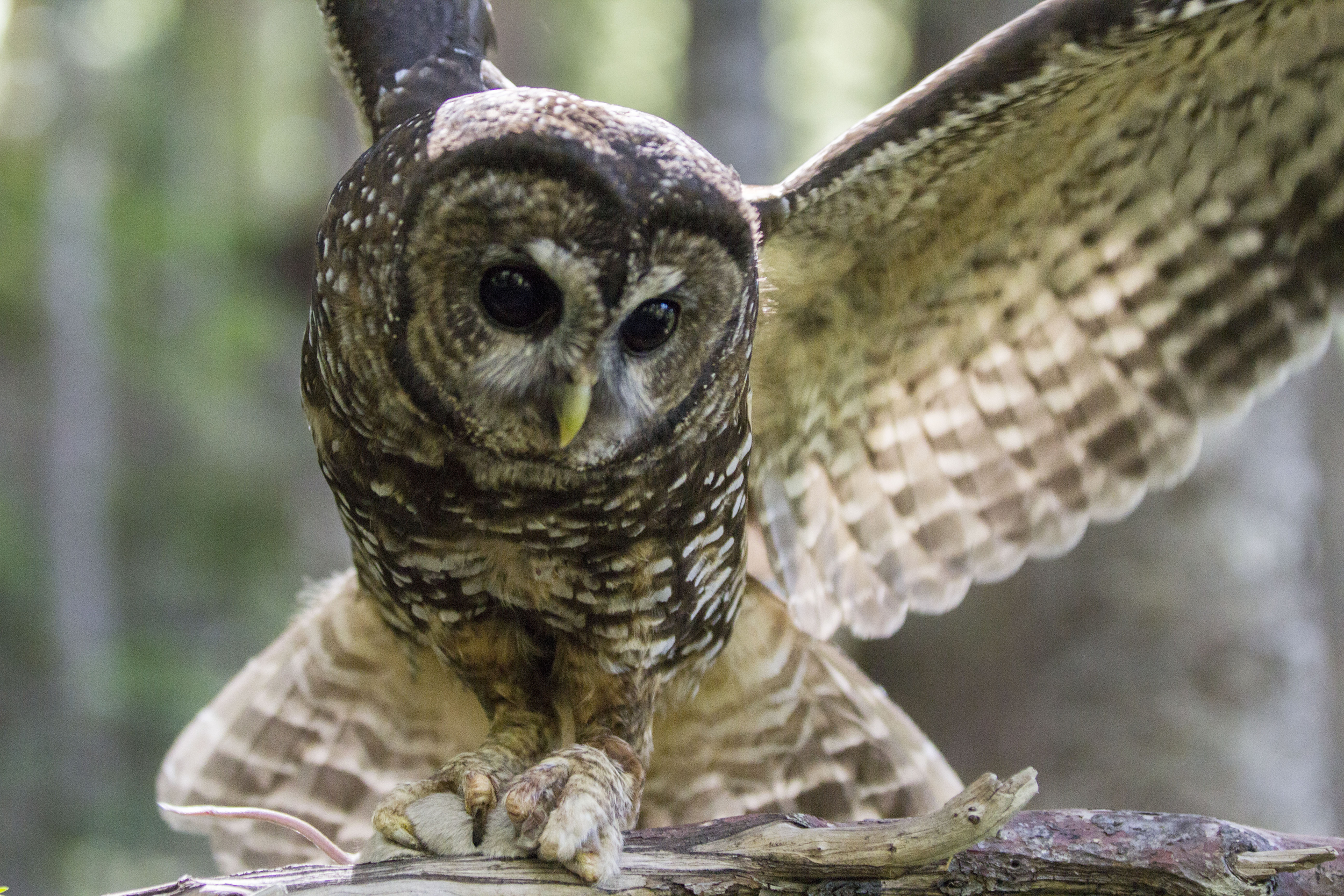
Figure 4. Northern spotted owl. Protected under the Endangered Species Act, this owl requires old-growth forests for its survival. Source: Emily Brouwer, National Park Service.
Actually, Judge Frye first enjoined the logging of old-growth forests in 1988, but her decision was legislatively overturned by congressional rider in 1989. A rider is a legislative provision that is tacked onto a must-pass bill, a provision that otherwise wouldn’t have the votes to be enacted into law. The chief architect of the rider was Senator Mark O. Hatfield (R-OR). Every member of the 1989 Oregon congressional delegation supported the “rider from hell,” which resulted in the loss of another 35 square miles of old-growth forest, equivalent to the area encompassed by a line drawn from Mount Scott in Clackamas County to the Tryon Creek State Natural Area, to where Burnside Street passes over I-405, to the interchange of I-205 and I-84, and back to Mount Scott. Only one member of the current congressional delegation from Oregon was part of the 1989 delegation: Representative Ron Wyden (D-OR-3rd), who went on to become Senator Ron Wyden (D-OR).
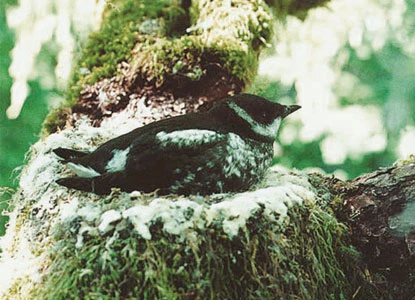
Figure 5. Marbled murrelet. Protected under the Endangered Species Act, the bird nests hundreds of feet above the ground in old-growth forest trees up to 55 or more miles inland from the coast. Even more remarkably, it can dive up to 100 feet deep in the near offshore salt water. Source: National Park Service.
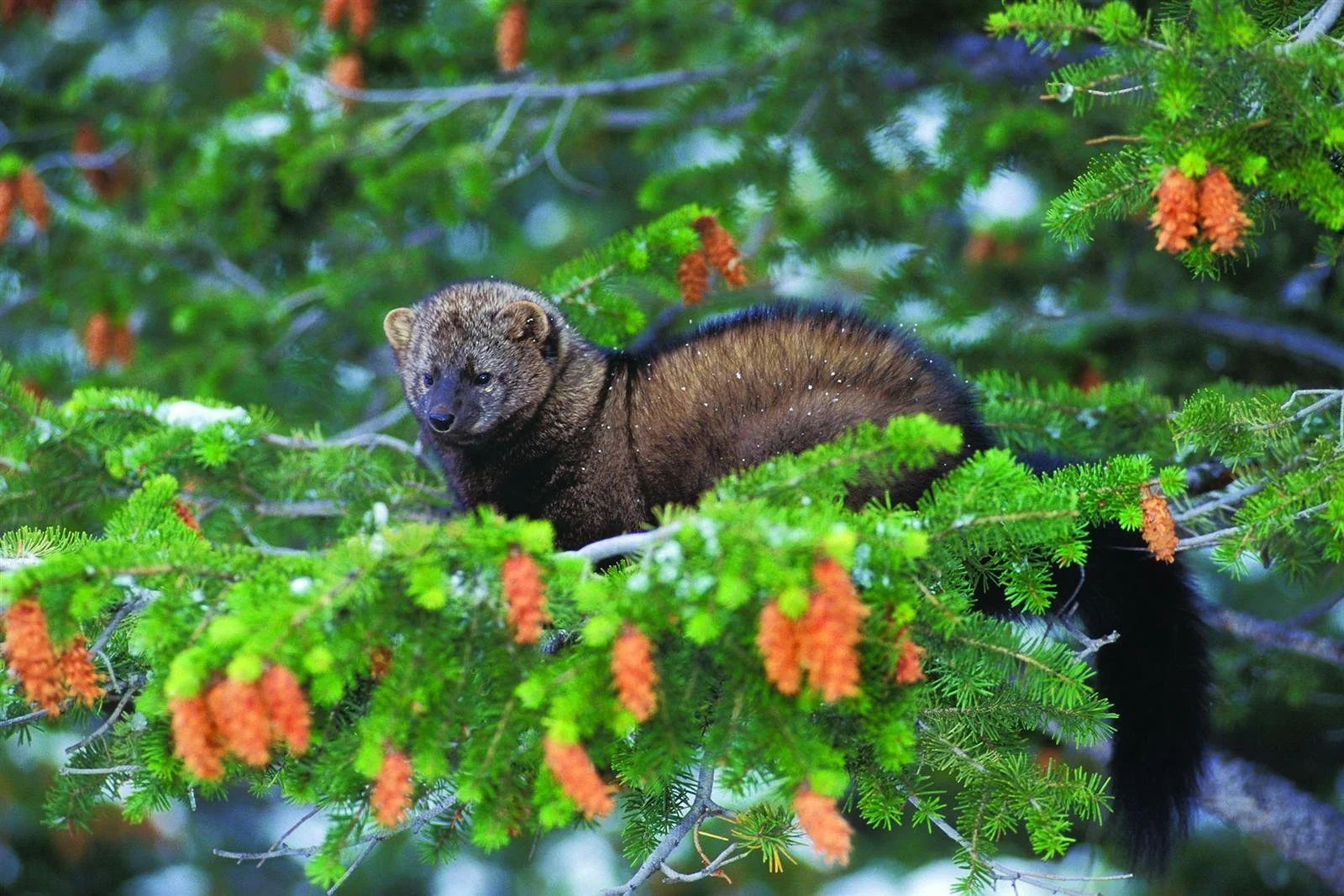
Figure 6. Fisher, a creature that thrives in intact older forests. Source: Evelyn Bull (first appeared in Oregon Wild: Endangered Forest Wilderness, Timber Press 2004).
If Historic Levels of Timber Production Had Proceeded Apace
If the out-of-control BLM bureaucracy not been constrained by a federal judge in 1992 and President Clinton’s Northwest Forest Plan adopted in 1994, it would have sold the last old-growth tree from its holdings in western Oregon in 2025. As in last year. Arriving at this figure requires the assumptions noted below.
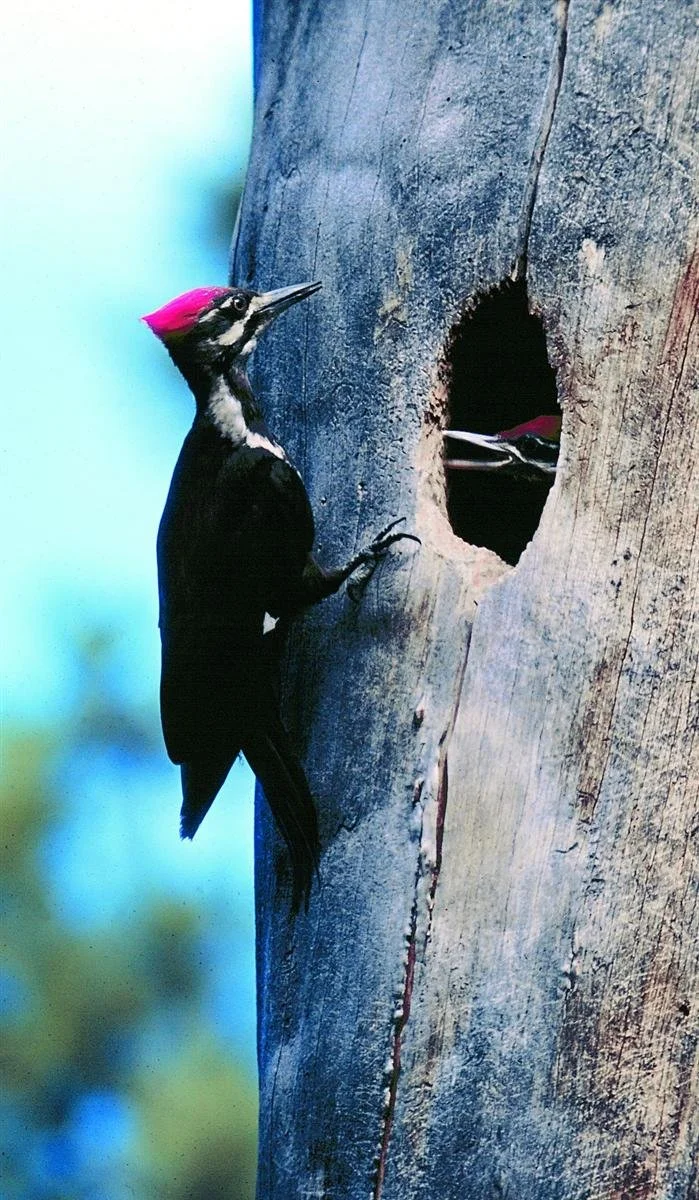
Figure 7. Pileated woodpecker. The bird thrives on large snags, which are large dead trees that were once large live trees. Source: Evelyn Bull (first appeared in Oregon Wild: Endangered Forest Wilderness, Timber Press 2004).
Amount of old-growth forest remaining on western Oregon BLM lands in 1992. Not an easy number to come up with, as the BLM wasn’t in the habit of admitting such matters at the time. We do know how much old-growth forest the BLM has left today. We know that some old growth has been logged since 1993 and some has been converted by wildfire to complex early seral forest. We also know that some mature stands have grown into old growth since 1992. For our purposes here, we assume a wash. Erik Fernandez of Oregon Wild, querying the latest BLM timber stand data, found that 366,425 acres of old-growth forest remain on all BLM forestlands in western Oregon, so we will assume the same number for 1992.
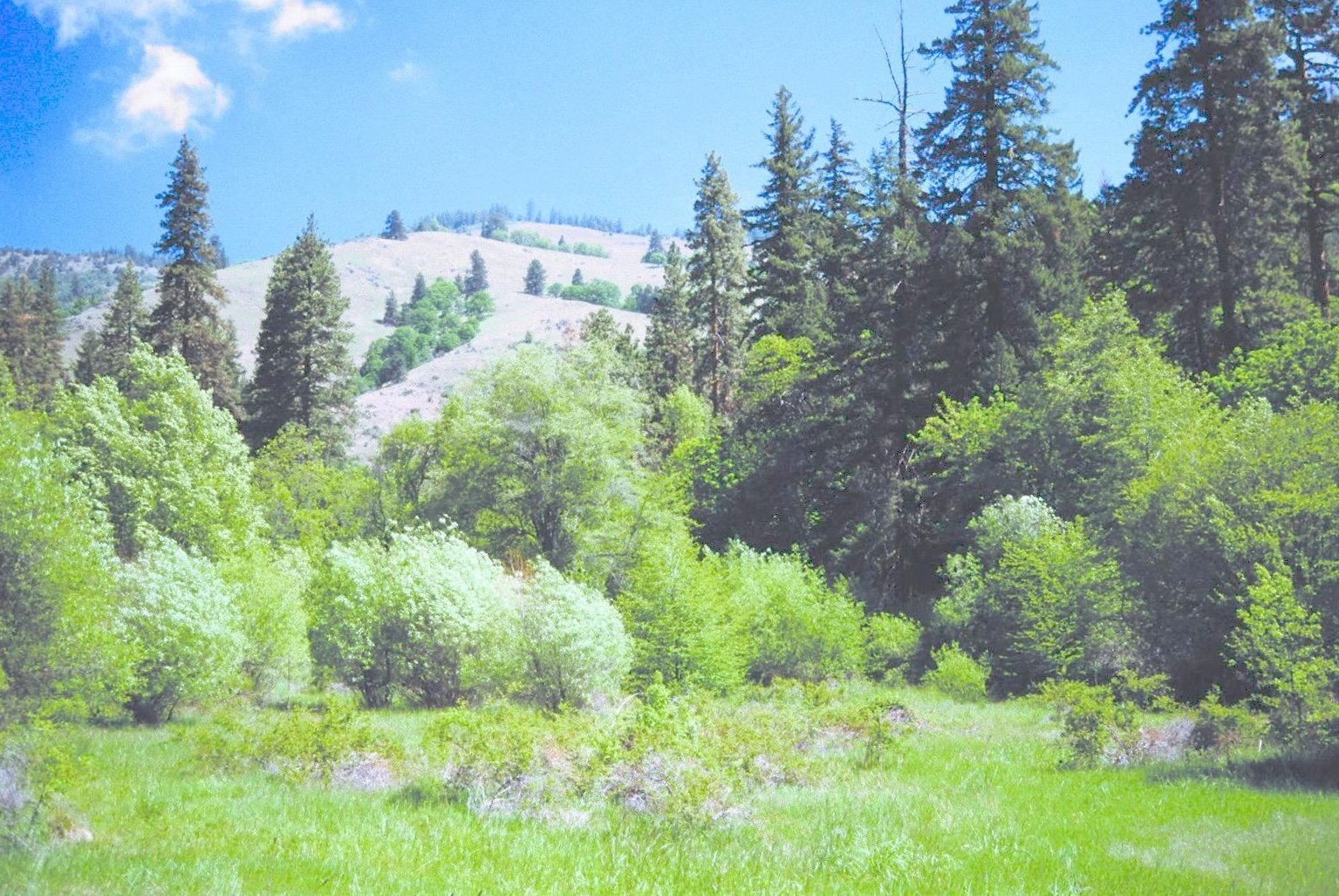
Figure 8. The Dakubetede Roadless Area. Though not encompassing a lot of old-growth forest, BLM-identified lands with wilderness characteristics such as this will have to be logged to return to historic levels of logging. Source: Chant Thomas (first appeared in Oregon Wild: Endangered Forest Wilderness, Timber Press 2004).
Rate of old-growth-forest liquidation by the BLM. Back in the day, BLM logging levels were very high and continuing to rise as Senator Hatfield, in his powerful role on the Senate Appropriations Committee, lavishly funded BLM roading and logging activities. At the peak of old-growth-forest liquidation, the BLM sold 1.4 billion board feet (bbf) of timber in 1988. Eyeballing BLM annual timber volumes for the era, I settled upon 1.1 bbf/year as the liquidation rate. A cardinal rule of industrial forestry is to log the oldest stands first (most timber volume per acre and the largest logs) on the path to converting the entire forest to one that is “fully regulated” (all monoculture plantations on an eighty-year rotation of far smaller trees). A liquidation rate of 1.1 bbf/year is approximately a quadrupling of current BLM logging levels and a reasonable number for the historic levels the Trump administration seeks to return to.
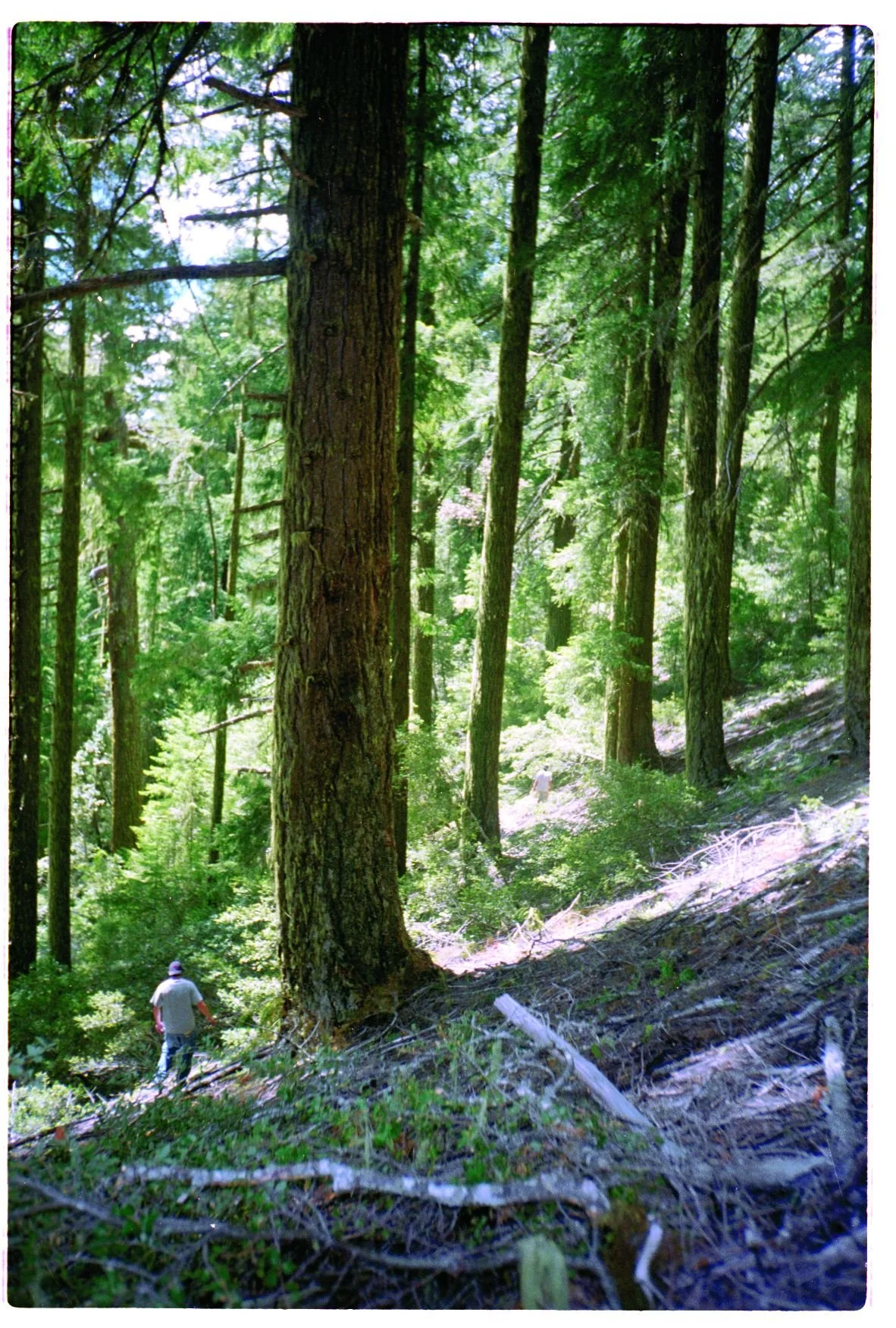
Figure 9. Old-growth forest in the proposed Wild Rogue Wilderness Additions. The BLM has tried to log it before. Source: Jay Lineger (first appeared in Oregon Wild: Endangered Forest Wilderness, Timber Press 2004).
Average standing timber volume of a western Oregon BLM old-growth acre. After consulting BLM documents and Douglas-fir yield tables and weighting the information by growing site class, I estimated there are 99,951 board feet of standing timber on an average BLM acre of old growth. It is important to remember that BLM forests in western Oregon are significantly lower in elevation than most nearby national forest lands. These BLM forestlands are far more productive in growing trees (and salmon for that matter) than your average federal forestland in western Oregon. More than one-third of BLM forestlands are in Douglas-fir site classes I and II out of five site classes, which means lots of old trees that are very large.
Completeness of old-growth forest liquidation by the BLM. For purposes here, it is assumed that without the judicial injunction, nothing would have stopped BLM foresters from logging each and every last old-growth tree—including any afforded congressional or administrative protection in a wilderness area, a wild and scenic river, or an area of critical environmental concern (most of which were protected after 1992). I list those areas below.
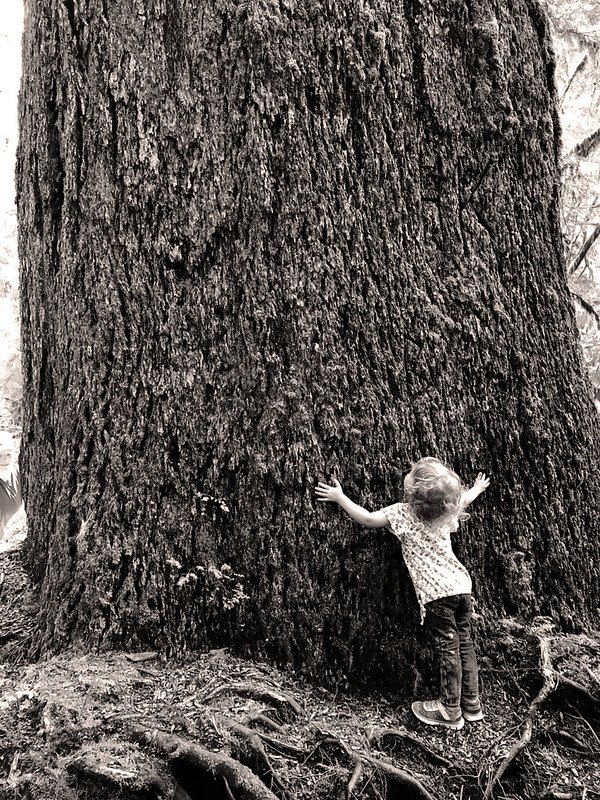
Figure 10. An old-growth tree on BLM land. Perhaps the BLM will come back again to photograph the stump and proudly post the photo on Flickr, as it did this one. Source: Bureau of Land Management.
Of the four BLM wilderness areas in western Oregon, only two were established before 1992. While there is a general implied prohibition against roading and logging in wilderness areas, there is a loophole that has been used by the Forest Service in the past, if only rarely. Current BLM wilderness areas (~47,686 acres):
• Wild Rogue
• Table Rock
• Soda Mountain
• Devil’s Staircase
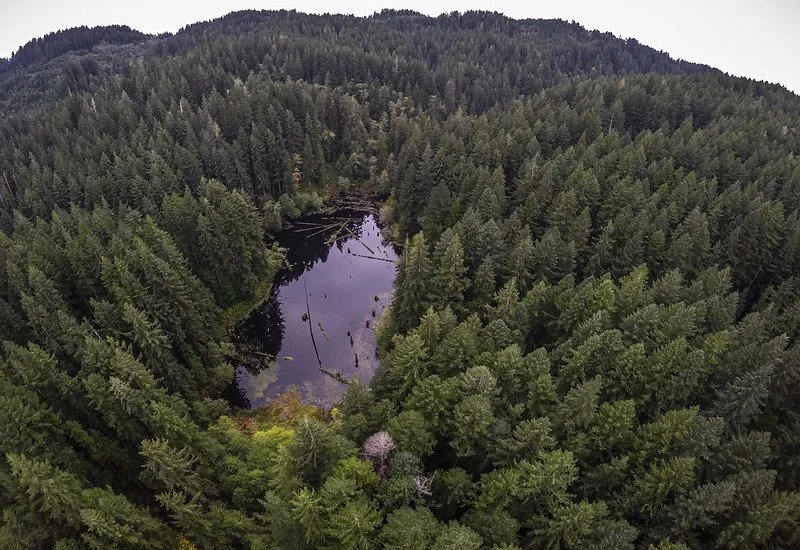
Figure 11. Wasson Lake in the Wasson Creek Wild and Scenic River and the Devil’s Staircase Wilderness. These areas will have to be logged to return to historic levels of logging (statutory loopholes do exist). Source: Bureau of Land Management.
Of the eleven BLM wild and scenic rivers in western Oregon, only three were established before 1992. Wild and scenic river designation, unlike wilderness designation, does not—per se—prohibit roading and logging. Current BLM wild and scenic rivers (~252.3 miles or 121,152 acres):
• Rogue River
• North Umpqua River
• Upper Klamath River
• Jenny Creek
• Spring Creek
• Elk River
• Elk Creek
• Lobster Creek
• Franklin Creek
• Wasson Creek
• Molalla River
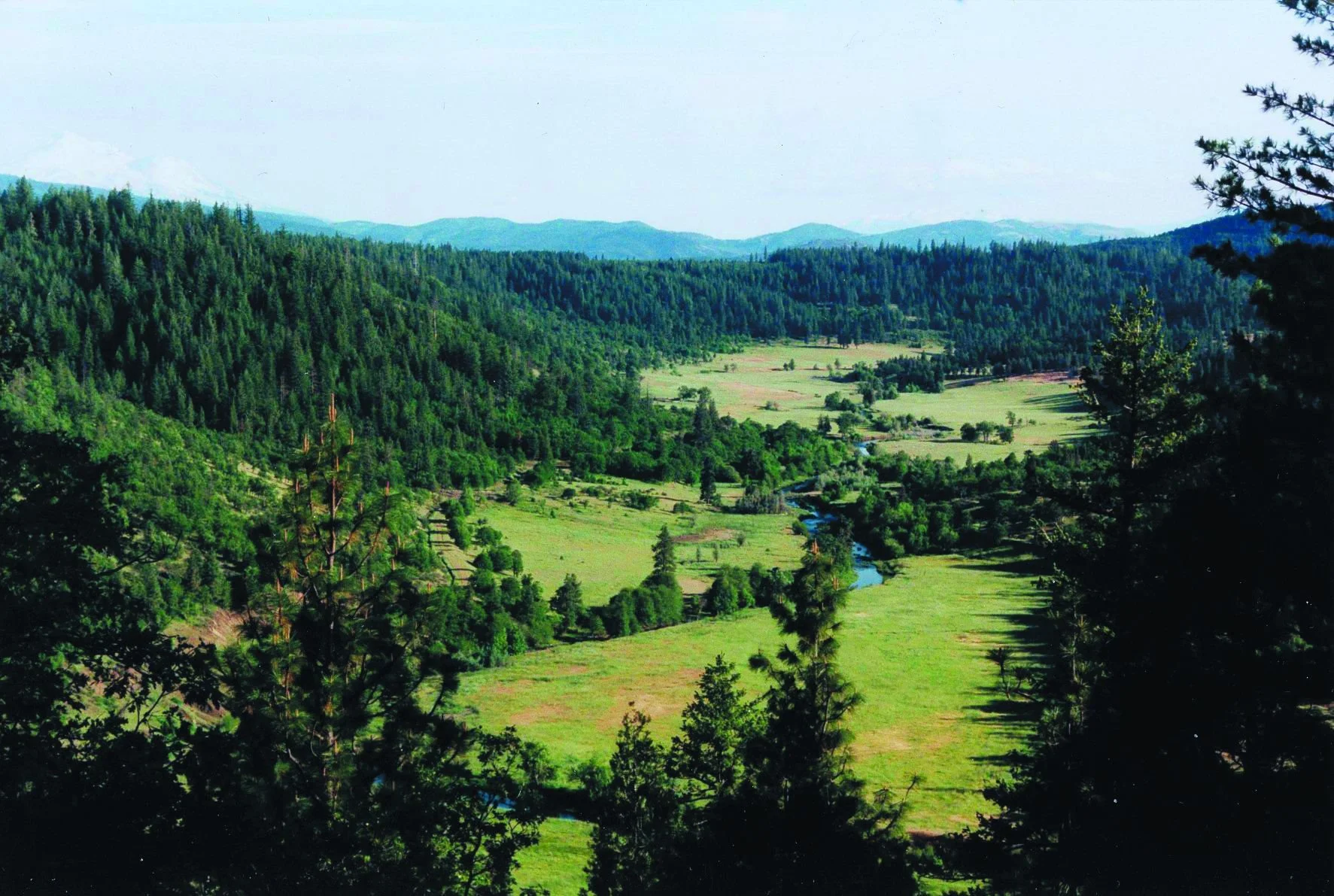
Figure 12. The Jenny Creek Wild and Scenic River in the Cascade-Siskiyou National Monument. If any administration would try to log it, it would be Trump 2.0. Source: Pepper Trail (first appeared in Oregon Wild: Endangered Forest Wilderness, Timber Press 2004).
Under the Federal Land Policy and Management Act of 1976, the BLM established eighty-eight areas of critical environmental concern (ACECs) in western Oregon. Most of these administrative ACECs were established by the BLM after 1992. Some have concurrent designations as a research natural area (RNA), outstanding natural area (ONA), and/or national natural landmark (NNL). One ACEC, the Yaquina Head Outstanding Natural Area, was established by Congress in 1980. Current BLM areas of critical environmental concern (~54,803 acres):
• Baker Cypress
• Bear Gulch RNA
• Beatty Creek RNA
• Bobby Creek RNA
• Brewer Spruce RNA
• Bushnell-Irwin Rocks RNA
• Camas Swale RNA
• Carolyn’s Crown RNA
• Cherry Creek RNA
• China Wall
• Coburg Hills Relict Forest Island
• Cottage Grove Lake Relict Forest Island
• Cougar Mountain Yew Grove
• Crabtree/Schafer Creek RNA and ONA
• Crooks Creek
• Dorena Lake Relict Forest Island
• Eight Dollar Mountain
• Elk Creek
• Forest Peak RNA
• Fox Hollow RNA
• French Flat
• Grass Mountain RNA
• Grassy Mountain
• Greyback Glade RNA
• Heceta Sand Dunes ONA
• High Peak–Moon Creek RNA
• Hole-in-the-Rock
• Holton Creek RNA
• Horse Rock Ridge RNA
• Hoxie Creek
• Hult Marsh
• Hunter Creek Bog
• Iron Creek
• King Mountain Rock Garden
• Lake Creek Falls
• Little Grass Mountain ONA
• Little Sink RNA
• Long Tom
• Lost Lake RNA
• Lost Prairie
• Marys Peak ONA
• Middle Santiam Terrace RNA
• Miller Creek
• Mohawk RNA
• Moon Prairie
• Myrtle Island RNA
• Nestucca River
• New River
• North Bank
• North Fork Chetco River
• North Fork Coquille River
• North Fork Hunter Creek
• North Fork Silver Creek RNA
• North Myrtle Creek RNA
• North Santiam
• North Spit
• North Umpqua River
• Old Baldy RNA
• Oregon Gulch RNA
• Pipe Fork RNA
• Poverty Flat
• Red Ponds RNA
• Rickreall Ridge
• Rough and Ready
• Round Top Butte RNA and NNL
• Saddleback Mountain RNA
• Sandy River Gorge ONA
• Scotch Creek RNA
• Sheridan Peak
• Soosap Meadows
• Sterling Mine Ditch
• Table Rocks ONA
• Tater Hill RNA
• The Butte RNA
• Tin Cup
• Tioga Creek
• Umpqua River Wildlife Area
• Upper Elk Meadows RNA
• Upper Rock Creek
• Valley of the Giants ONA
• Walker Flat
• Wasson Creek
• White Rock Fen
• Wilhoit Springs
• Williams Lake
• Wood River Wetland
• Woodcock Bog RNA
• Yampo
• Yaquina Head ONA
Given these assumptions, it would have taken the BLM thirty-three years, from 1992 to 2025, to log every last old-growth tree on its western Oregon holdings had it not been constrained. This figure can help us project what might happen if historic levels of timber production resume.
Projecting Ahead
Most BLM old growth has some level of administrative protection (a protective land use allocation or critical habitat designation, etc.), but the assumption that the BLM will decide to cut every last old-growth tree it has control over is a reasonable one. Why? First, how many times have you said (even if just to yourself), “Trump would never do that” and been wrong for saying so? Second, to achieve historic levels of logging for the longest possible period of time, each and every old-growth tree must go.
While not every acre of a wilderness, a wild and scenic river, and/or an area of critical environmental concern is old-growth forest, if the BLM logs the old growth (and the mature and every other tree) in these protected natural areas, their integrity will be destroyed. The trees that grow back will not be old growth, and to keep up the cut the BLM will have to adopt monoculture plantations of ~forty years, which is standard industry practice nearby.
Extrapolating from the earlier calculation, at historic levels of timber production it will take the BLM thirty-three years to log every last old-growth tree on its western Oregon holdings. That means the last old-growth tree will fall by 2059.
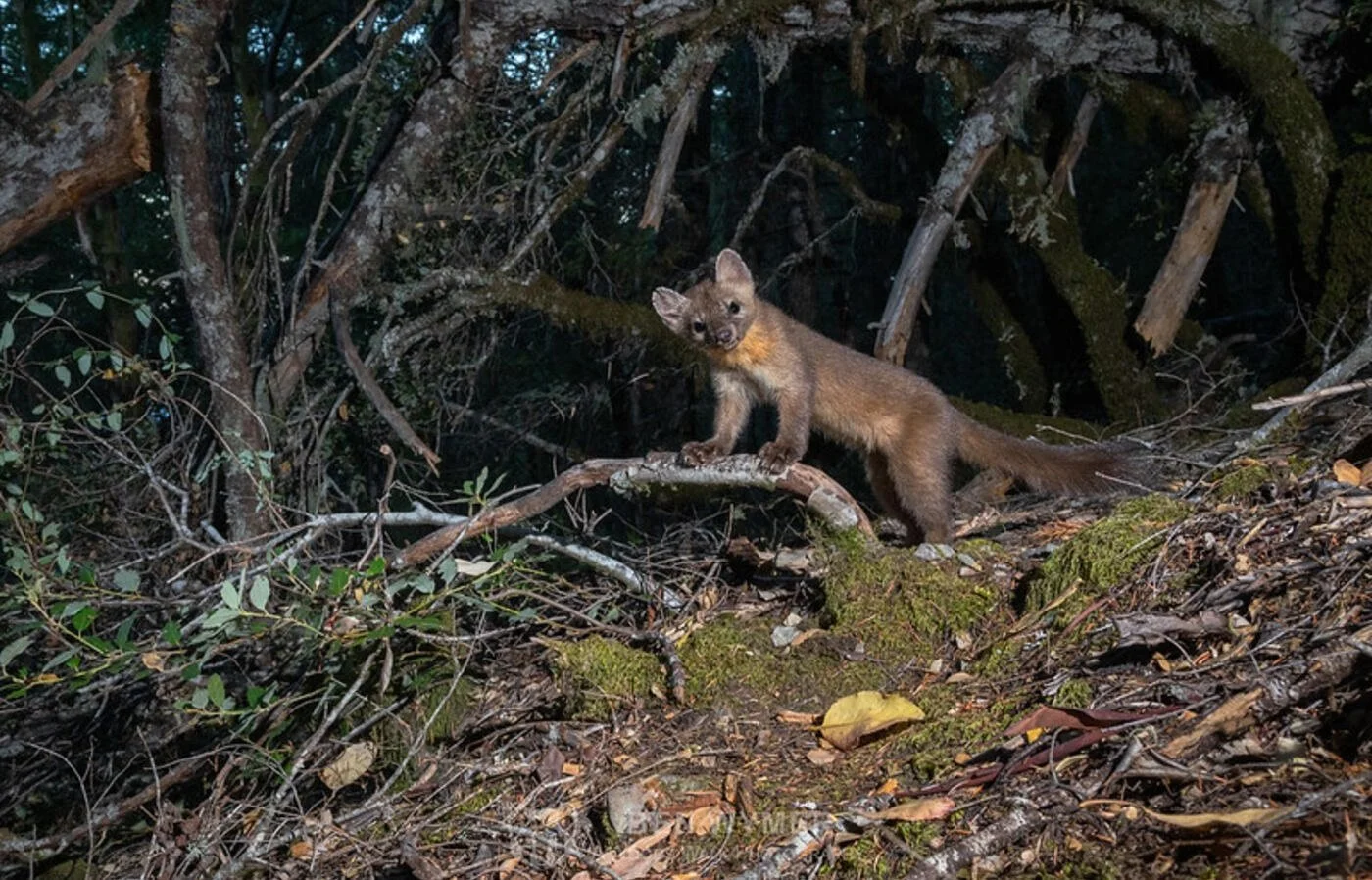
Figure 12. Coastal or Humboldt marten. This marten is protected under the Endangered Species Act and requires older forests to survive. Source: Ben Wymer, A Woods Walk Photography.
In Part 2, we shall suggest a solution that provides for the permanent protection of 2.6 million acres of BLM lands in western Oregon.
Sources
Bureau of Land Management. 2026. Areas of Critical Environmental Concern (web page).
Fernandez, Erik. March 25, 2016. Email to author on how much old-growth forest remains in 2025 on western Oregon BLM lands.
Gillins, Peter. May 19, 1989. “Judge Lifts Owl Injunction Against Logging.” UPI Archives.
McArdle, Richard E. 1949. The Yield of Douglas Fir in the Pacific Northwest. Technical Bulletin 201. Pacific Northwest Forest and Range Experiment Station, Forest Service.
Oregon Department of Forestry. 2013. 2013 25 Year Harvest History for Oregon in Million Board Feet. State Library of Oregon Digital Collections.
Robertson, Arran. February 18, 2026. “Trump Admin Announces Old-Growth Clearcutting Plan for Western Oregon.” Oregon Wild.
UPI. February 19,1992. “Judge Halts Oregon Timber Sales on BLM Land.”
USDI Bureau of Land Management. March 21, 1986. BLM Facts: Oregon and Washington 1985.
———, Lakeview District Office. 1995. Klamath Falls Resource Area Record of Decision and Resource Management Plan and Rangeland Program Summary.
———. 2016. The Resource Management Plans for Western Oregon. BLM National NEPA Register.
———. 2026. “BLM Launches Public Comment on Western Oregon Timber Plan to Advance Trump Administration Priorities.”
Wikipedia. 2026. List of Cities in Oregon.