Old-Growth Forests on Western Oregon BLM Holdings, Part 2: The Existential Solution
This is the second in a series of two Public Lands Blog posts on the existential threat to old-growth forests on western Oregon Bureau of Land Management holdings posed by the Trump administration. Part 1 explored the BLM’s plans to quadruple logging levels on its forestlands in western Oregon and also calculated when the last BLM old-growth tree would have been sold had the agency not been slowed by judicial in 1992. Part 2 suggests a permanent solution that would ensure the protection of 2.6 million acres of BLM lands in western Oregon.
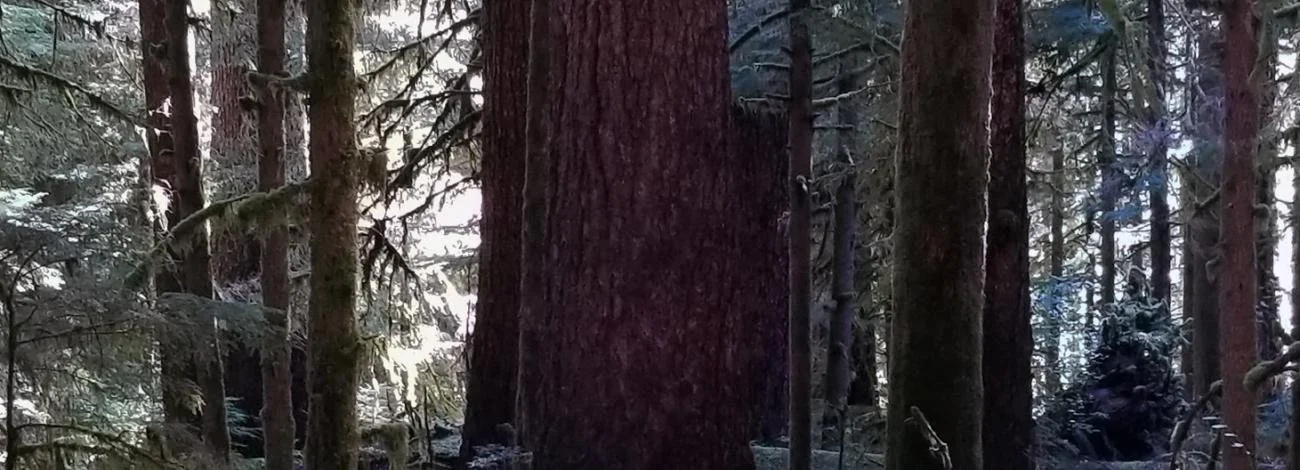
Figure 1. Valley of the Giants—not a one-off. Don’t tell anyone (certainly not the BLM), but there are other valleys with giants on BLM lands in western Oregon. Of course, there used to be a lot more. Source: Bureau of Land Management.
Part 1 of this series suggested that the Bureau of Land Management (BLM) will cut the last old-growth tree on its western Oregon holdings by 2059 if the agency returns to historic levels of timber production under the Trump administration and remains unconstrained.
But the assumption that the agency will remain unconstrained is not grounded in reality, as it depends on some further assumptions: that everyone will stand by (they won’t), that the log market can absorb all those large logs (it can’t), that Congress will fund the roading and logging (it won’t), that the courts won’t stop it (they will, at least temporarily), that Trump won’t leave office (he will), and that no one will sit in the trees and/or the offices of the Oregon congressional delegation (they will).
It is now time for Congress to act to permanently protect the last of the mature and old-growth forest for this and future generations. For Congress to act means the Oregon congressional delegation must act. For the delegation to act, we all must act.
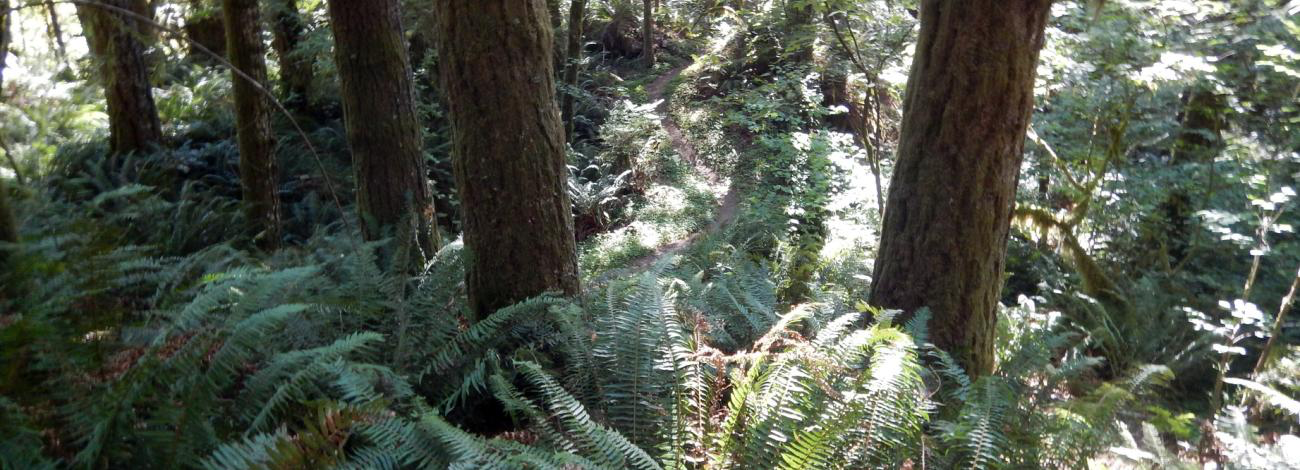
Figure 2. The BLM’s Old Growth Ridge National Recreation Trail. The trail will be turned into the Old Growth Ridge National Logging Road to get the cut out. Source: Bureau of Land Management.
A Weakly Worded Letter from the Oregon Delegation: Completely Insufficient
In “response” to the Trump administration’s outrageous declaration of intentions, all Oregon congressional Democrats signed a weakly worded letter to the Oregon-Washington acting state director of the BLM “to express concerns regarding the public engagement process.” They asked the BLM to be more “robust” (a word used three times in a one-page letter) in engaging the public. But a weakly worded letter is not what the Oregon congressional delegation was elected for.
Over the decades, I have observed that all-delegation letters such as this are written less out of a fear that something bad will happen and more out of a fear that the delegation will be blamed for the bad thing when it happens. If it’s not the case that delegation members fear blowback, then each is jockeying for public media attention to grab glory for leading on the subject at hand.
Wading through the trite drivel about the need for public involvement by means of which these Oregon elected officials seek to divert the public’s (pronounced “voters’”) ire from themselves—where it should be directed—to the BLM, I found this one line of interest:
There is a divide between what is required legally and what is required to maintain and grow the social license to work effectively in our federal forests.
What is “required legally” hinges on more than just a judge’s interpretation of existing statutory language. It also points to the need for Congress to dictate new legal requirements by writing new statutory language, as the existing law does not require the right things.
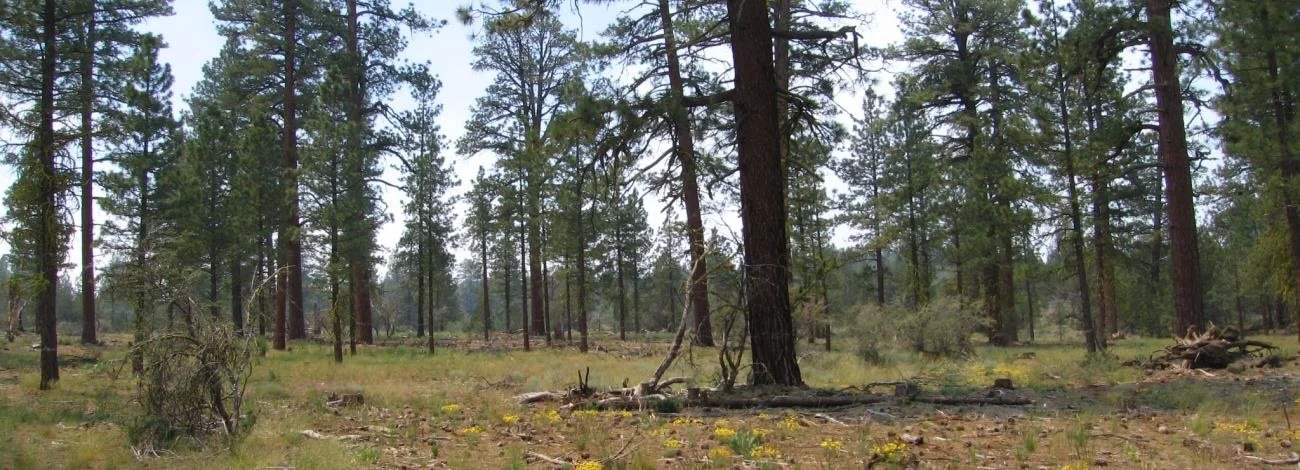
Figure 3. Ponderosa pine stands on western Oregon BLM holdings. Old-growth stands will have to be logged to get the cut out. Source: Bureau of Land Management.
Legislation: The Only Permanent Solution
Engaging the BLM on the matter of its expressed intention to liquidate mature and old-growth forests on its lands in western Oregon is a waste of time. Instead, Oregon conservationists need to engage with the Oregon congressional delegation to introduce and pass legislation that requires what Oregon voters want: the BLM out of western Oregon. Such legislation needs to do the following:
1. Transfer most BLM lands to the National Forest System, save for (a) some coastal BLM lands that should be transferred to the National Wildlife Refuge System, and (b) the Cascade-Siskiyou National Monument, which should be transferred to the National Park System.
2. Permanently protect for this and future generations all mature and old-growth forest stands and trees, as well as any stands of complex early successional forest (aka “preforest”).
The property clause (Article IV, Section 3, Clause 2) of the US Constitution gives all power over the nation’s public lands to Congress. The fate of the BLM’s mature and old-growth forests lies not in the hands of President Donald J. Trump but in the hands of the Oregon congressional delegation.
I started my conservation career during the Gerald R. Ford administration. Since then, the Democratic administrations (Carter, Clinton, Obama, and Biden) have imposed moderate but increasingly robust reforms on the BLM, while Republican administrations (Reagan, Bush the elder, Bush the younger, Trump 1.0, and Trump 2.0) have proposed increasingly draconian attempts to log more forests more quickly. The cycle of abuse must end. Only an act of Congress can do that, and only the Oregon congressional delegation can persuade Congress to act.
What You Can Do
I have long observed that when in power Republicans have the unerring instinct to go for the jugular, while Democrats have the unerring instinct to go for the capillary. Alas, the latter can generally be said of public lands conservation organizations as well. Most organizations rely too much on administrative process (and subsequent lawsuits) and not enough on political organizing. There are two things you need to do now. And you need to do both of them.
1. Contact your federal elected officials.
Please contact your elected officials today.
You should contact both Oregon senators and your one representative, since US House members only want to hear from their constituents. If you don’t know who your representative is, see Figure 4 or enter your zip code here.
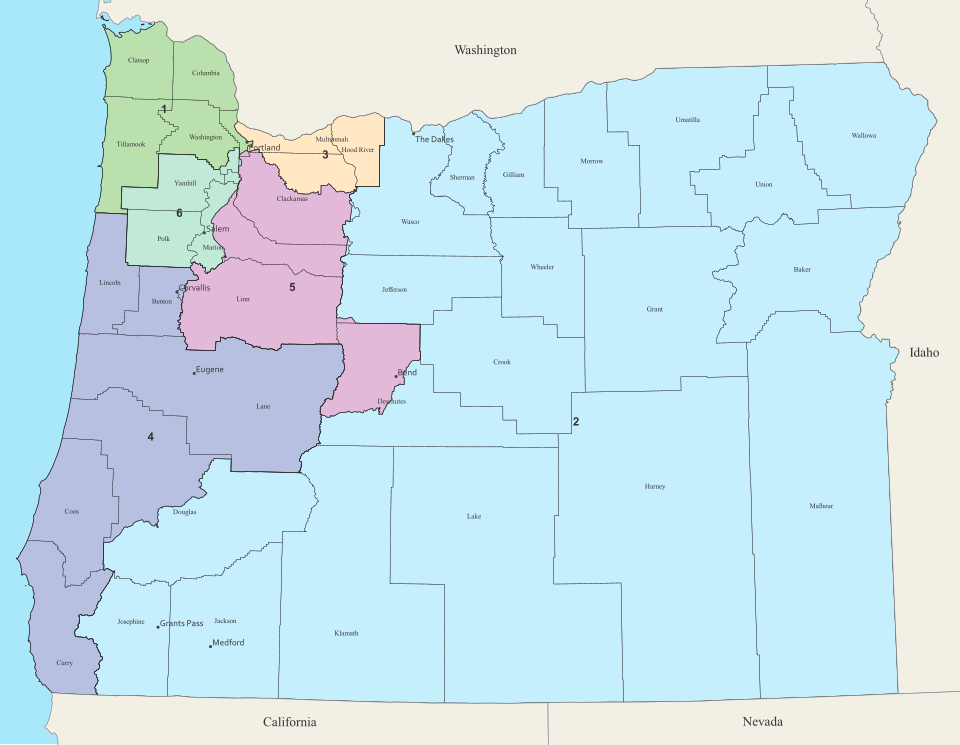
Figure 4. Oregon’s six congressional districts: 1st, light green (Bonamici); 2nd, light sky blue (Bentz); 3rd, moccasin (Dexter); 4th, medium purple (Hoyle); 5th, plum (Bynum); 6th, light greenish-blue (Salinas).
The following figures (Figures 5 through 12) show the members of the Oregon congressional delegation in order of length in office. I note when each member entered office to show how long they have not been constructively addressing BLM forestlands in western Oregon. Click on the link in the caption to send a message via each member’s official website.
In his defense, Senator Wyden (and secondarily, Senator Merkley) did introduce legislation in the mid ’teens addressing western Oregon BLM forestlands. The bill would have saved all the remaining mature and old-growth forest and certain other special areas, but it also had several other nasty provisions. Nonetheless, the bill would have been a net gain for conservation of these forestlands. The bill did not pass the Senate.
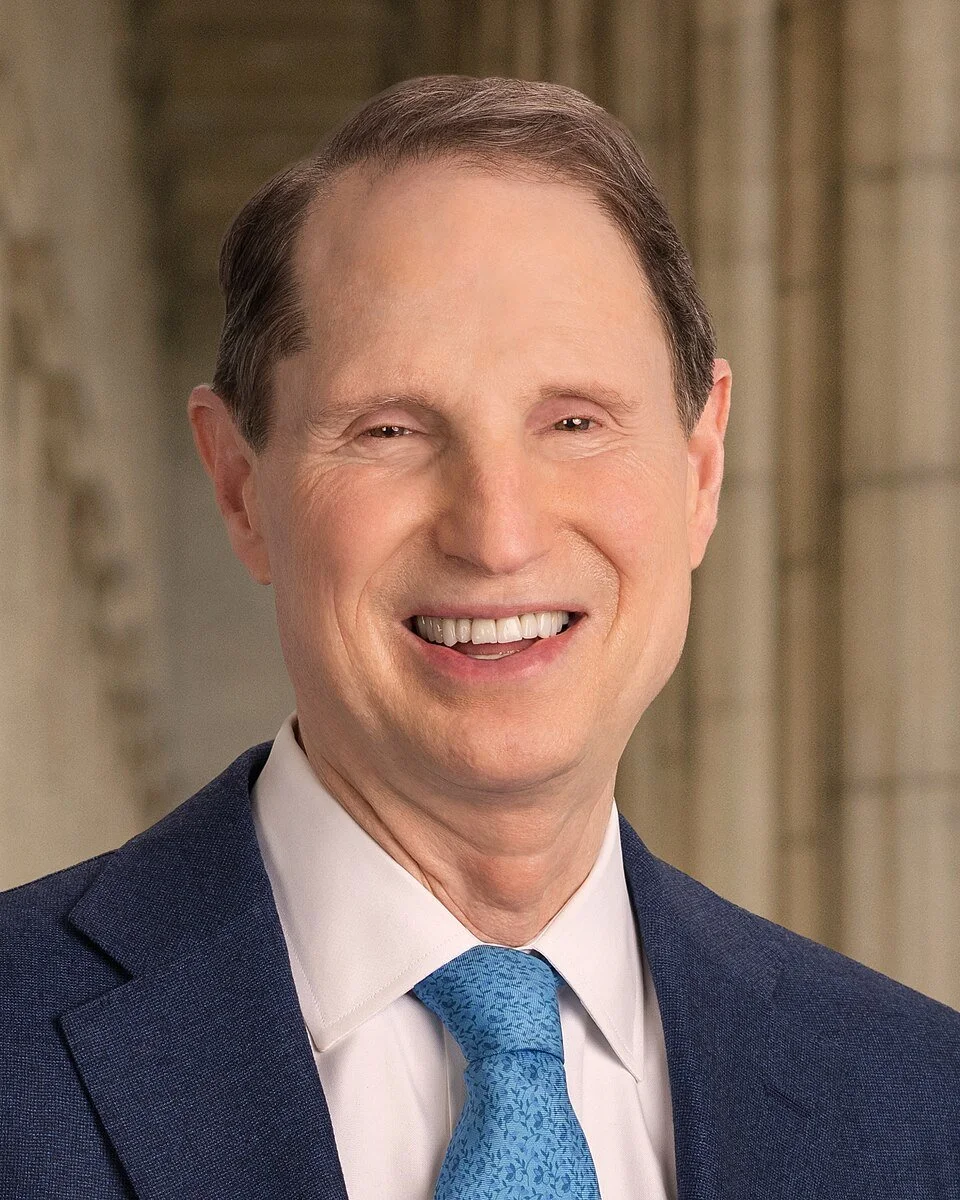
Figure 5. Senator Ron Wyden (D-OR), in the Senator Ron WydenSenate since 1996 (in the House of Representatives from 1981 to 1996). Source: Wikipedia.

Figure 6. Senator Jeff Merkley (D-OR), since 2009. Source: Wikipedia.
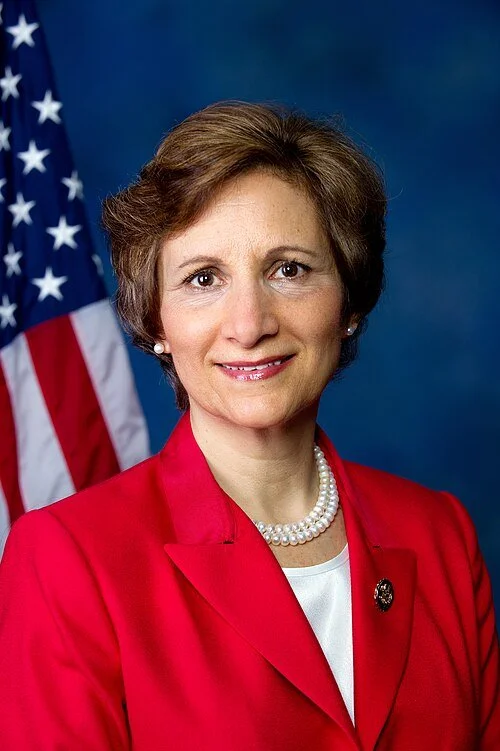
Figure 7. Representative Suzanne Bonamici (D-OR-1st), since 2012. Source: Wikipedia.
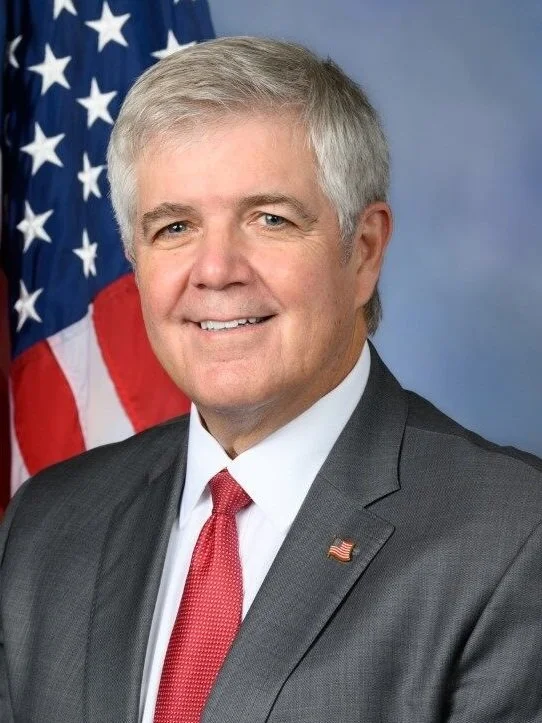
Figure 8. Representative Cliff Bentz (R-OR-2nd), since 2021. Source: Wikipedia.
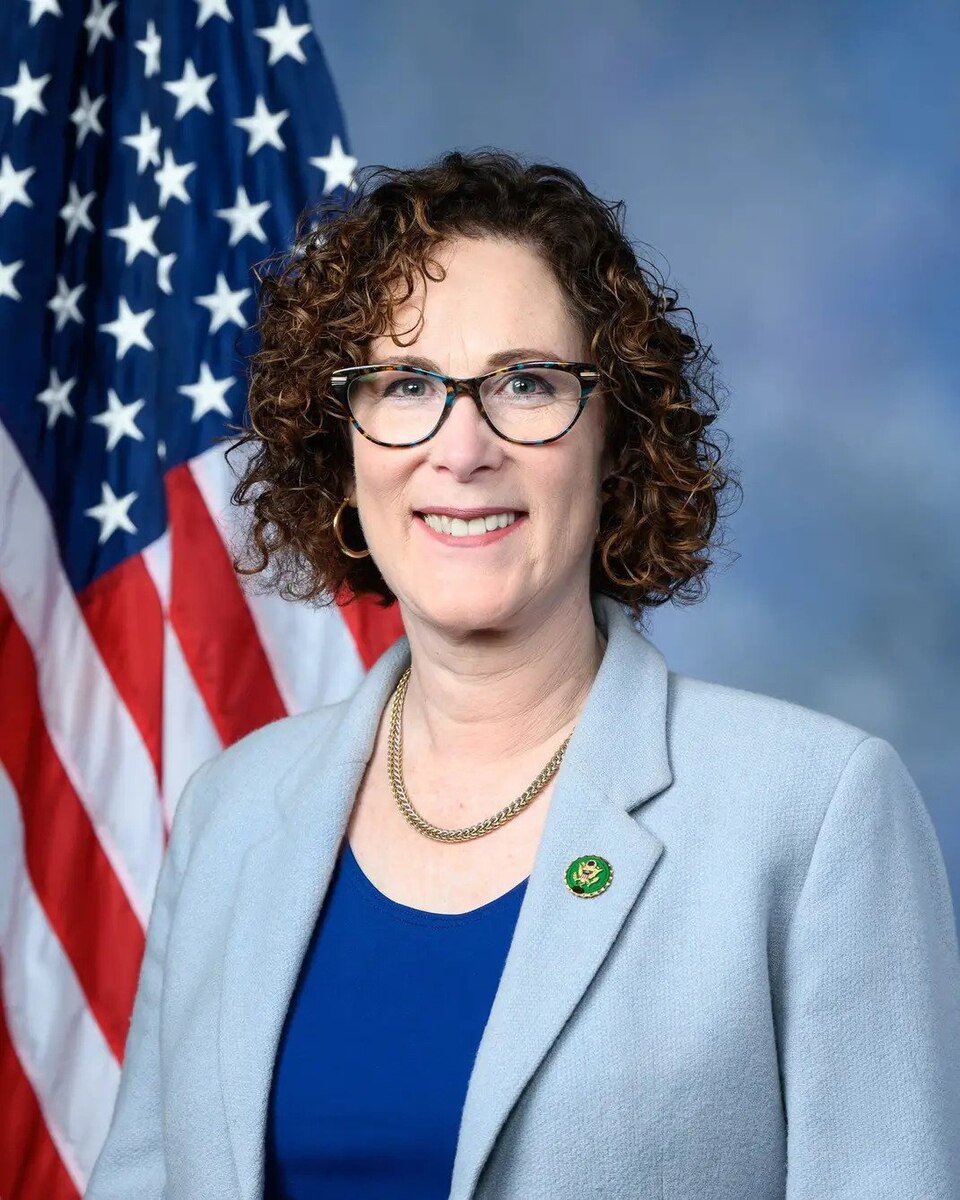
Figure 9. Representative Val Hoyle (D-OR-4th), since 2023. Source: Wikipedia.

Figure 10. Representative Andrea Salinas (D-OR-6th), since 2023. Source: Wikipedia.

Figure 11. Representative Maxine Dexter (D-OR-3rd), since 2025. Source: Wikipedia.
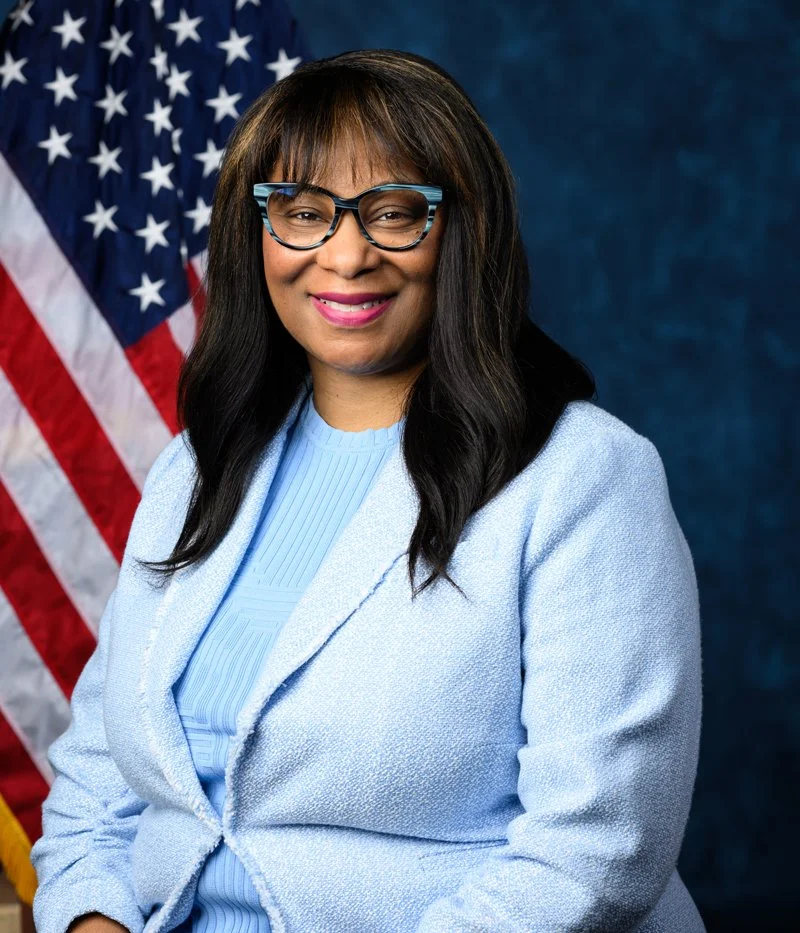
Figure 12. Representative Janelle Bynum (D-OR-5th), since 2025. Source: Wikipedia.
2. Nudge the public lands conservation organizations you support.
Finally, if you are giving money to one or more public lands conservation organizations that have BLM forestlands in western Oregon in their conservation portfolio, you need to ask them a few questions:
1. What are you doing to end the perpetual partisan tug-of-war over western Oregon BLM lands? Or are you just defensively hunkering down to await a less hostile administration?
2. Do you support legislation to fix the problem, and if so, what in particular?
3. If you are supporting legislation, are you lobbying for it (both direct and grassroots lobbying)?
4. Does your organization’s tax status allow you to engage in elections, and if not, how do you expect to win?
Bottom Line: In 1770 Edmund Burke said, “When bad men combine, the good must associate; else they will fall, one by one.” Culture rewrote it into “The only thing necessary for the triumph of evil is for good men to do nothing.” In this case, either works.