Sort By Category
- 30x30
- Administration
- Antiquities Act
- Book Reviews
- Bureau of Land Management
- Climate Change
- Climate change
- Coasts
- Congress
- Counties & Federal Lands
- Courts
- Courts & Litigation
- Department of Agriculture
- Department of Interior
- Deserts
- Ecological Reserves
- Ecosystems
- Elections
- Endangered Species
- Energy
- Estuaries
- Federal Lands
- Fish
- Fish and Wildlife Service
- Forest
- Forest Fires
- Forest Service
- Forestry
- Forests
- Grasslands
- Land & Water Cons. Fund
- Land & Water Conservation Fund
- Legislation
- Litigation
- Livestock Grazing
- Marine Protected Areas
- Marine Sanctuaries
- Mature & Old-Growth Forests
- Mature and Old-Growth Foresrts
- Mining
- Nat'l Conservation Lands
- National Forest System
- National Marine Sanctuaries
- National Monuments
- National Monuments Act
- National Park Service
- National Park System
- National Parks
- National Recreation Area
- National Scenic Area
Sort By Tag
- 1002 area
- 30x30
- 5th Amendment
- ANWR
- Acadia National Park
- Adam Smith
- Administrative Procedure Act
- Advancing Conservation and Education Act
- Alan Bates
- Alan Deboer
- Alaska
- Alaska National Interest Lands Act
- Alaska Native Claims Settlement Act
- Aldo Leopold
- American Forest Resource Council
- American Prairie Reserve
- American Tree Farm System
- American beef supply
- American black duck
- American woodcock
- Ammon Bundy
- Ancient Forest National Park
- Anders Eskil Carlson
- Andrea Salinas
- Andrew N. Gray
- Andy Kerr
- Animal unit month
- Ansel Adams
- Antiquities Act
- Applegate Primitive Backcountry Area
- Aqua Fria National Monument
- Aquatic Conservation Strategy
- Aquatic Conservation and Riparian Strategy
- Arches National Monument
- Arches National Park
- Arctic National Wildlife Refuge
- Areas of Critical Environmental Concern
- Army Corps of Engineers
- Association of O&C Counties
- Astoria Canyon
- Astoria Fan
- Atlantic Coast
- Augusta Canal NHA
- Avarna Group
- Avi Kaw Ame
- BLM Conservation Rule
- BLM Zone 3 Lands
- BOEM Oregon Planning Area
- Baboquivari Peak Wilderness
- Baker County

The Other Half of the National Environmental Policy Act Is Under Threat
In August 2017, President Trump announced his intent to “enhance and modernize” the NEPA regulations, and CEQ responded with a list of actions the following month

Half of the National Environmental Policy Act is a Dead Letter
The National Environmental Policy Act was enacted into law in 1970. It was signed by President Richard Nixon, who knew a political bandwagon when he saw it and knew that a veto would be overridden.
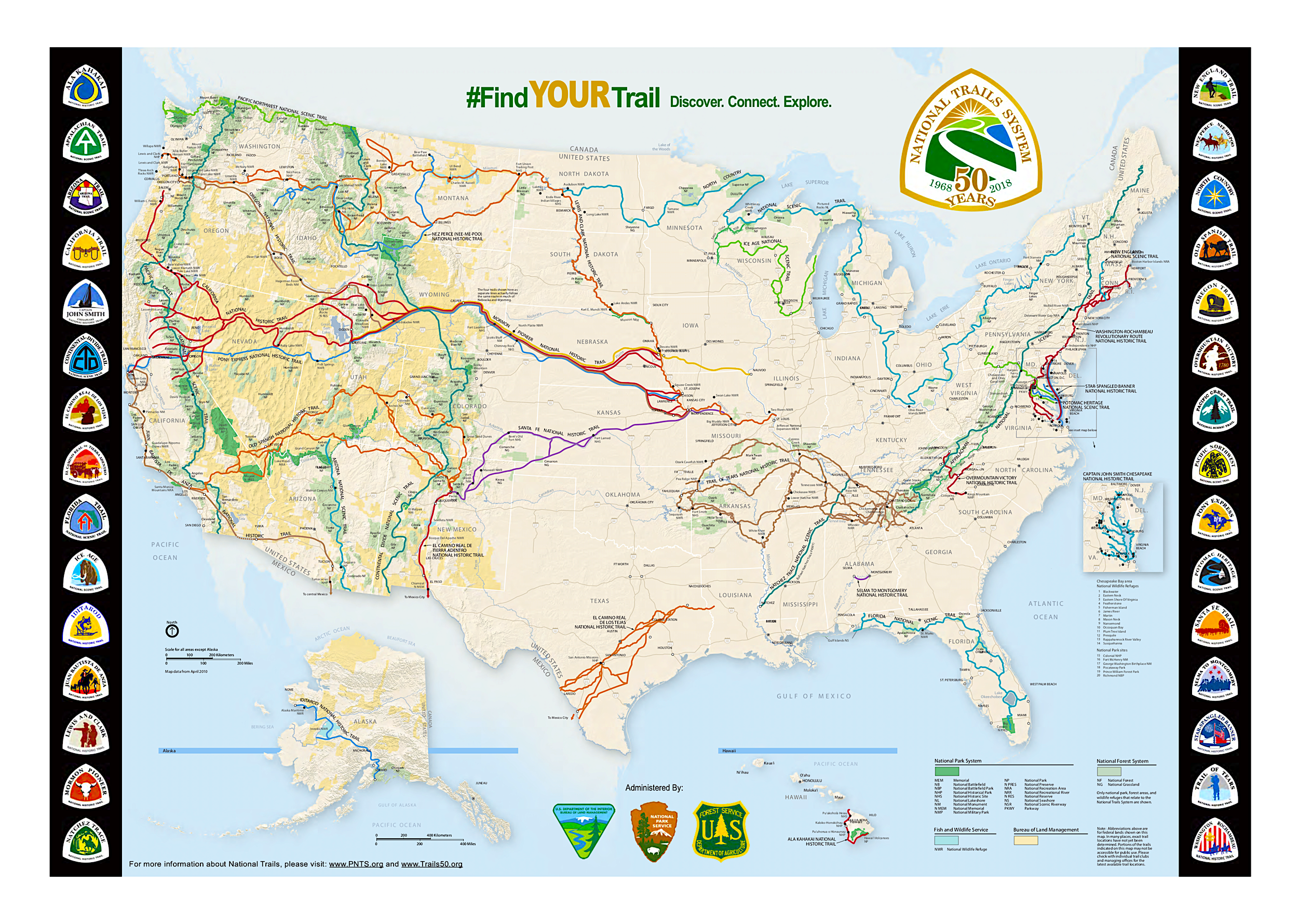
Go Take a Hike: The National Trails System at Fifty
In order to provide for the ever-increasing outdoor recreation needs of an expanding population and in order to promote the preservation of, public access to, travel within, and enjoyment and appreciation of the open-air, outdoor areas and historic resources of the Nation, trails should be established.
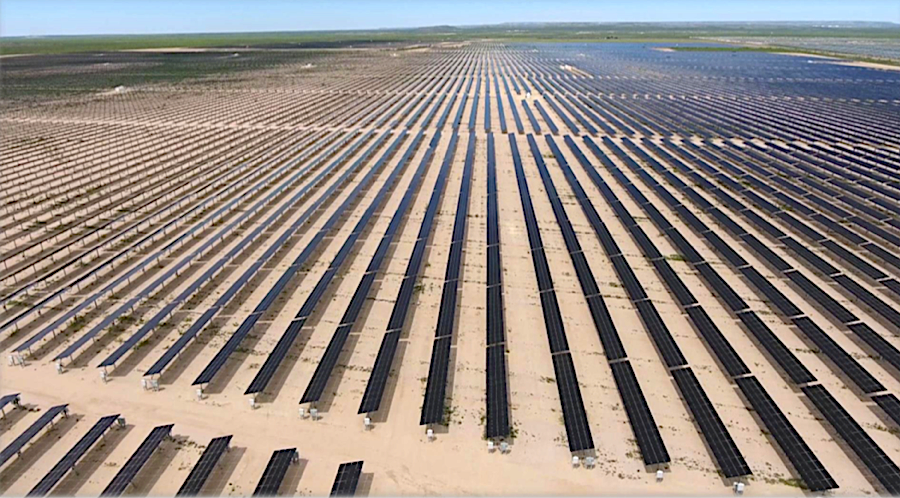
How US Public Lands Can Help Save the Climate and Ourselves
Climate change is an existential threat to the human species. The rapid decarbonization of the economy of the United States and of the world is our only chance of maintaining the climate that we generally know and love.

As the Courts Change, So Must Public Lands Conservation Look More to Congress (Part 2)
This is second of two parts. Part 2 explains that public lands conservationists must rely more Congress enacting good legislation to achieve our goals.

As the Courts Change, So Must Public Lands Conservation Look More to Congress (Part 1)
This is part one of two parts. Part 1 examines how the courts are changing and public lands conservationists must rely less on litigation to achieve our goals.
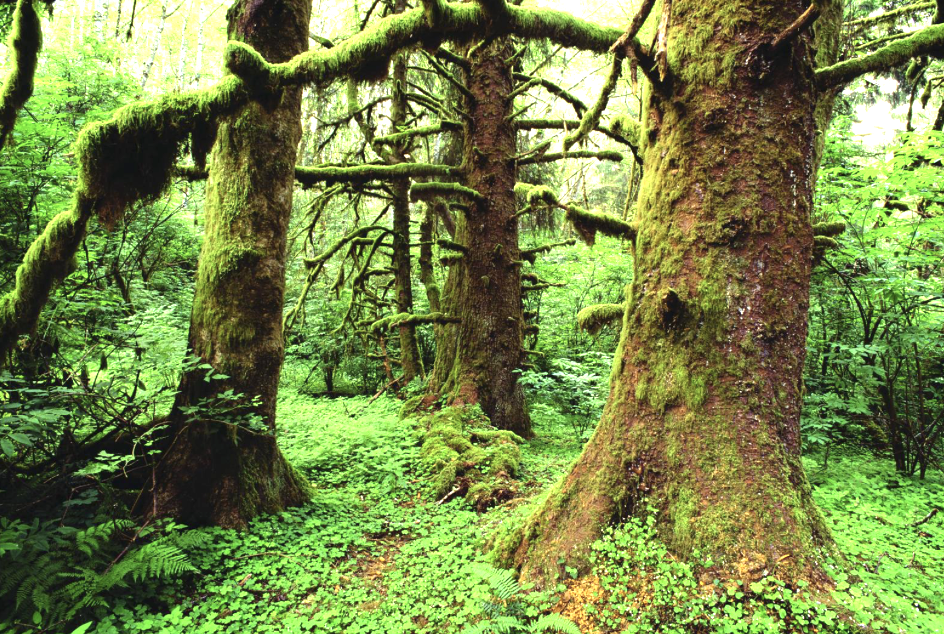
Filling the Congressional Conservation Pipeline for When It Unclogs
For the most part, these bills are popular and uncontroversial, and when they do get to the floor they will pass. When that happens and the congressional pipeline finally does unclog, conservationists need to make sure that pipeline is full.

New US Outer Continental Shelf Oil and Gas Exploitation: Costly and Short Lived (Part 2)
This is the second part of a two-part series on the threat of new oil and gas exploitation off the coasts of the United States. The first part outlined the Trump administration’s draft proposal and answered five key questions about what the impacts of the proposed development might be.
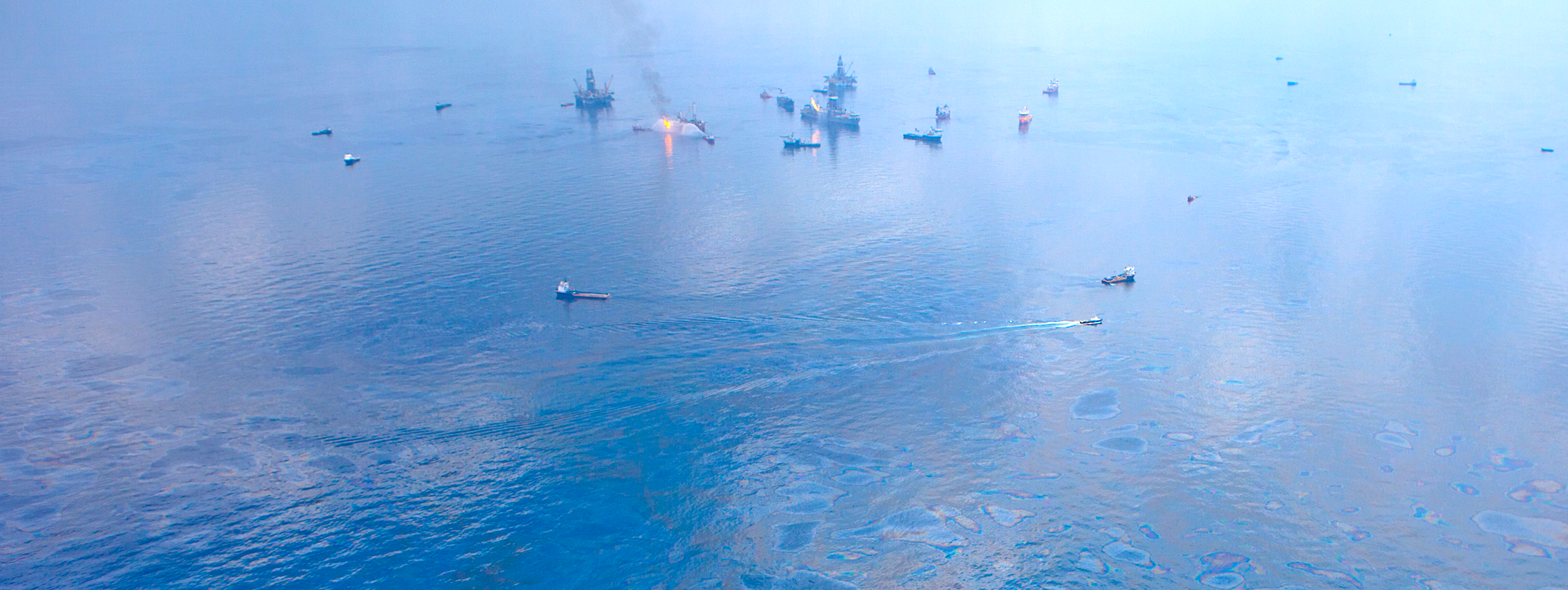
New US Outer Continental Shelf Oil and Gas Exploitation: Costly and Short Lived (Part 1)
This is the first part of a two-part series on the threat of new oil and gas exploitation off the coasts of the United States. This first part outlines the Trump administration’s draft proposal and answers five key questions about what the impacts of the proposed development might be.
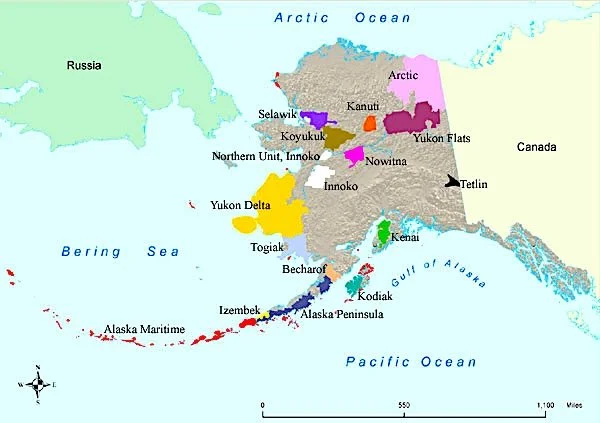
Zinke’s Move to Defile the Izembek
The protracted battle for the Izembek is now before a US District Court judge. At stake is whether the designations of national wildlife refuge and wilderness actually mean anything, at least in Alaska and/or under a Trump administration.
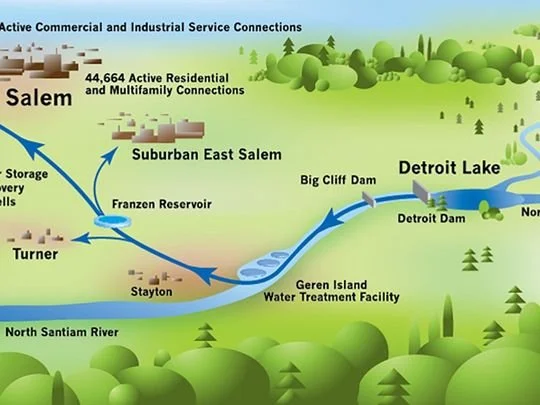
Lessons from Salem: Protecting Local Drinking Water Supplies
As of the end of June this year, four health advisory alerts had been issued this summer for Detroit “Lake” (it is actually an impounded river more accurately called a reservoir) on the North Santiam River.

The National Wild and Scenic Rivers System, Part 2: Rounding It Out and Cleaning It Up (For Oregon, If Not Elsewhere)
This is the second part of a two-part examination of the National Wild and Scenic Rivers System. In Part 2, we examine the possibilities of protecting additional wild and scenic rivers with a focus on Oregon, and closing a notorious mining loophole in the original act.

The National Wild and Scenic Rivers System, Part 1: A Vital National Conservation Purpose
This is the first part of a two-part examination of the National Wild and Scenic Rivers System. In Part 1, we examine the history of the Wild and Scenic Rivers Act of 1968, the size of the system and how it works, and the outsized role Oregon has played in the development of the system.

Trump Pardons Abusers—Of Public Lands, Public Officials, and a Child
Today, President Donald J. Trump signed Executive Grants of Clemency (Full Pardons) for Dwight Lincoln Hammond, Jr., and his son, Steven Hammond. The Hammonds are multi-generation cattle ranchers in Oregon imprisoned in connection with a fire that leaked onto a small portion of neighboring public grazing land. The evidence at trial regarding the Hammonds’ responsibility for the fire was conflicting, and the jury acquitted them on most of the charges.

Leave It to Beavers: Good for the Climate, Ecosystems, Watersheds, Ratepayers, and Taxpayers (Part 2)
This is the second part of a two-part series. Part 2 examines the economics of using beavers to both mitigate and adapt to climate change.

Leave It to Beavers: Good for the Climate, Ecosystems, Watersheds, Ratepayers, and Taxpayers (Part 1)
This is the first part of a two-part series. Part 1 examines the ecosystem and watershed benefits of beavers. Part 2 will examine the economics of using beavers to both mitigate and adapt to climate change.

Burning Wood to Make Electricity: Bad for Forests, the Climate, Ratepayers, and Taxpayers
Real standing forests are vital to the conservation and restoration of biological diversity and watershed integrity (not to mention re-creational reconnection to nature). They are also “the only proven system that can remove and store vast amounts of carbon dioxide from the atmosphere at the scale necessary to keep global temperature rise below 1.5 degrees Celsius this century,” says the Dogwood Alliance in their excellent call to arms

The National Wilderness Preservation System, Part 3: The Promise of and a Promise to Wilderness
This is the third installment of a three-part series on the National Wilderness Preservation System. Part 3 demands a rededication to wilderness for the benefit of this and future generations.
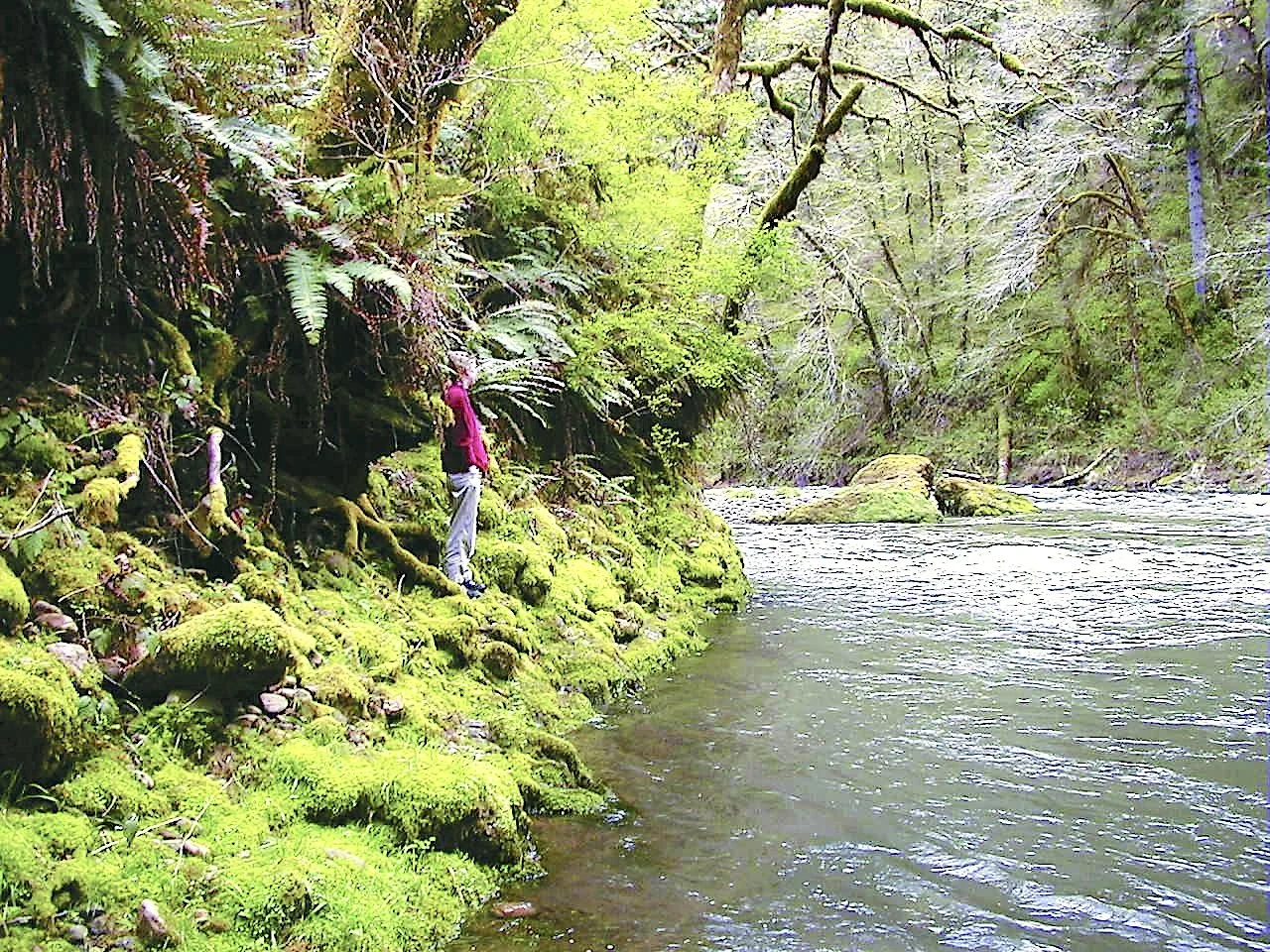
The National Wilderness Preservation System, Part 2: Past Progress Stalled
This is the second installment of a three-part series on the National Wilderness Preservation System. Part 2 chronicles past great progress and the current great stagnation.
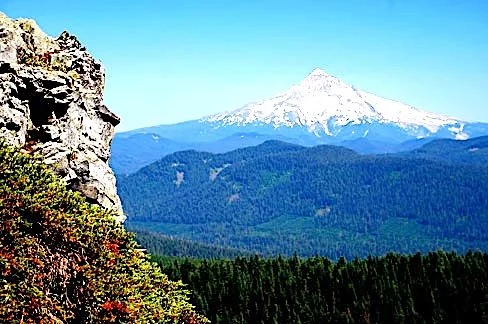
The National Wilderness Preservation System, Part 1: Birthed by Congress in Language Both Poetical and Practical
This is the first installment of a three-part series on the National Wilderness Preservation System. Part 1 examines the beginnings of the system by enactment into law of the Wilderness Act of 1964. Part 2 will chronicle past great progress and the current great stagnation. Part 3 will demand a rededication to wilderness for the benefit of this and future generations.