Sort By Category
- 30x30
- Administration
- Antiquities Act
- Book Reviews
- Bureau of Land Management
- Climate Change
- Climate change
- Coasts
- Congress
- Counties & Federal Lands
- Courts
- Courts & Litigation
- Department of Agriculture
- Department of Interior
- Deserts
- Ecological Reserves
- Ecosystems
- Elections
- Endangered Species
- Energy
- Estuaries
- Federal Lands
- Fish
- Fish and Wildlife Service
- Forest
- Forest Fires
- Forest Service
- Forestry
- Forests
- Grasslands
- Land & Water Cons. Fund
- Land & Water Conservation Fund
- Legislation
- Litigation
- Livestock Grazing
- Marine Protected Areas
- Marine Sanctuaries
- Mature & Old-Growth Forests
- Mature and Old-Growth Foresrts
- Mining
- Nat'l Conservation Lands
- National Forest System
- National Marine Sanctuaries
- National Monuments
- National Monuments Act
- National Park Service
- National Park System
- National Parks
- National Recreation Area
- National Scenic Area
Sort By Tag
- 1002 area
- 30x30
- 5th Amendment
- ANWR
- Acadia National Park
- Adam Smith
- Administrative Procedure Act
- Advancing Conservation and Education Act
- Alan Bates
- Alan Deboer
- Alaska
- Alaska National Interest Lands Act
- Alaska Native Claims Settlement Act
- Aldo Leopold
- American Forest Resource Council
- American Prairie Reserve
- American Tree Farm System
- American beef supply
- American black duck
- American woodcock
- Ammon Bundy
- Ancient Forest National Park
- Anders Eskil Carlson
- Andrea Salinas
- Andrew N. Gray
- Andy Kerr
- Animal unit month
- Ansel Adams
- Antiquities Act
- Applegate Primitive Backcountry Area
- Aqua Fria National Monument
- Aquatic Conservation Strategy
- Aquatic Conservation and Riparian Strategy
- Arches National Monument
- Arches National Park
- Arctic National Wildlife Refuge
- Areas of Critical Environmental Concern
- Army Corps of Engineers
- Association of O&C Counties
- Astoria Canyon
- Astoria Fan
- Atlantic Coast
- Augusta Canal NHA
- Avarna Group
- Avi Kaw Ame
- BLM Conservation Rule
- BLM Zone 3 Lands
- BOEM Oregon Planning Area
- Baboquivari Peak Wilderness
- Baker County
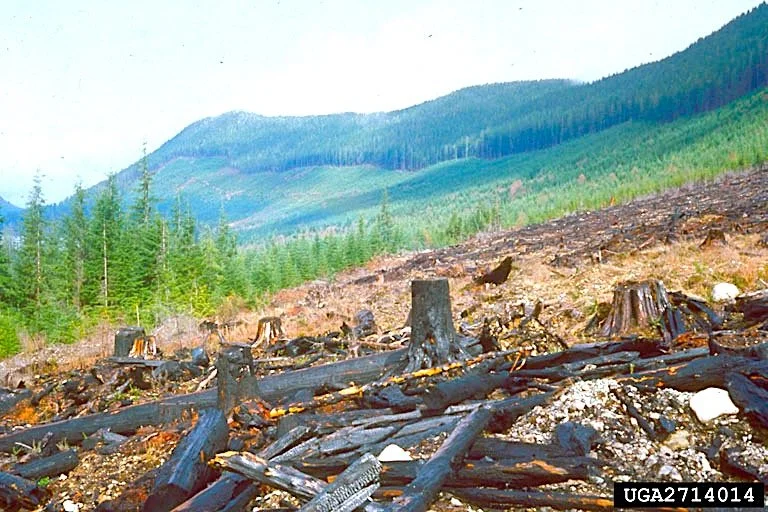
Book Review: Moving Forestry from Agronomic Toward Ecological
The authors of Ecological Forest Managementhave thrown down the gauntlet. The battle between traditional production forestry (PF) and ecological forest management (EFM) for the hearts and minds of forestry students everywhere, for the profession of forestry itself, and for the acceptance of the public has been joined.

Humans Have Become an Indoor Species
“The average American spends 95 percent of their life indoors,” says the REI report, with an endnote documenting the source of this sobering fact. I did the math: 8.4 hours outside per week, 1.2 hours outside per day. For kids it’s even less.

Rural Versus Urban Oregon, Part 2: More Urban Every Decade
This is the second part of a two-part examination of what “rural” really means in Oregon and how statistically insignificant (and in all likelihood to become more so) the rural population is today.

Rural Versus Urban Oregon, Part 1: It’s Not Black and White
This is the first part of a two-part examination of what “rural” really means in Oregon and how statistically insignificant (and in all likelihood to become more so) the rural population is today. In Part 1 we examine how much of Oregon is truly rural.

A Sixth Congressional District for Oregon?
No one will know for sure until the completion of the constitutionally mandated decennial census in 2020. Politically, a sixth member of Congress from Oregon could be better for Oregon’s environment. (Actually, the best thing for Oregon’s environment would be losing enough population to lose some congressional seats—but that won’t happen.)

The Public’s Wolves on Public Lands
The government that would become Oregon got its start in 1843 when some early European invaders met in the mid–Willamette Valley to discuss predatory wildlife attacking livestock. A result was the first bounty on wolves.
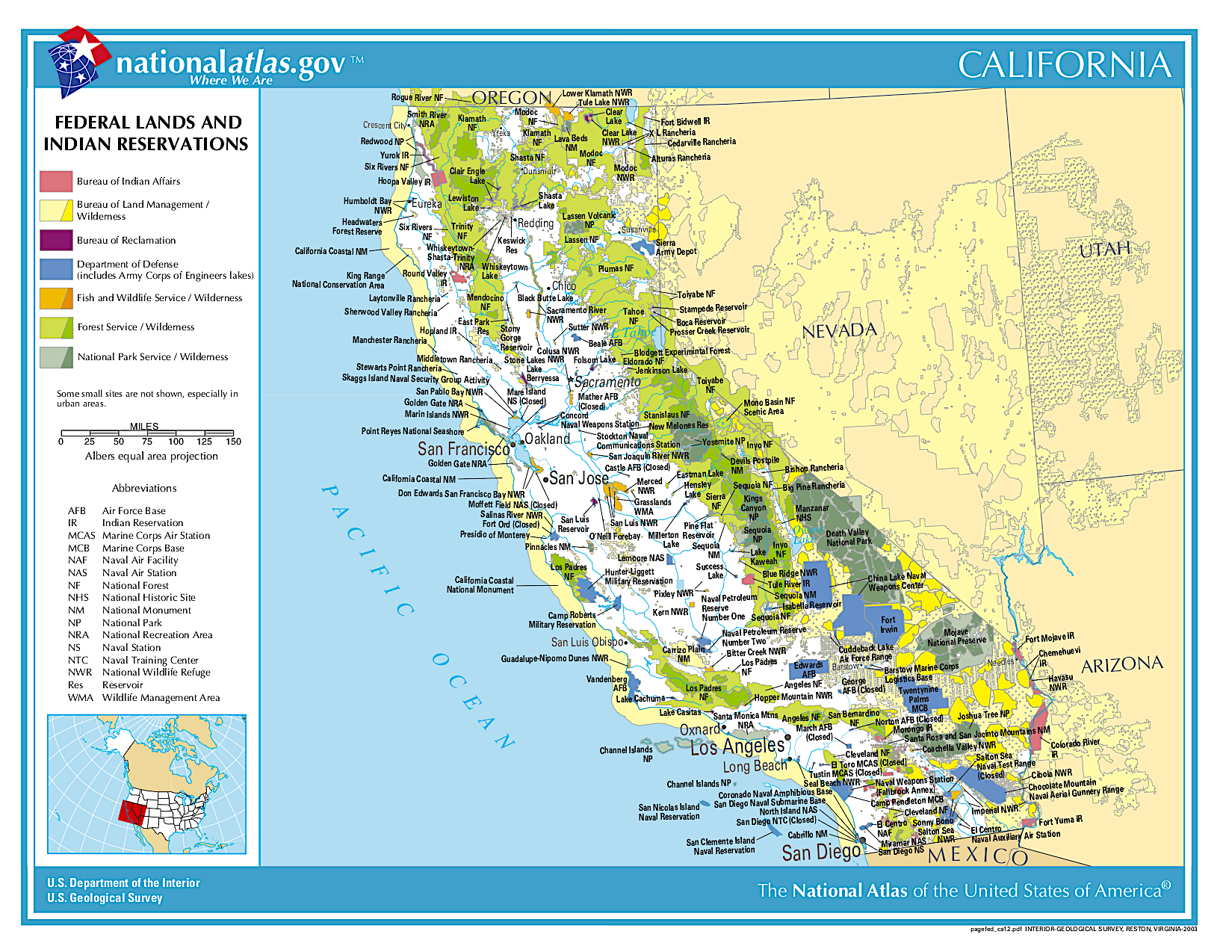
The United States of America versus the State of California
The founding fathers, in drafting and approving the United States Constitution, recognized the dual sovereignty of the individual states of and the United States of America. The federal constitution granted and reserved certain powers to the federal government and certain powers to state governments, and it prohibited each from having certain powers. Tensions between the powers of the states and the federal government are built-in, and conflicts are often resolved using the courts, in particular the federal courts.


State Wildlife Management Agencies in Crisis
As state fish and wildlife agencies get shorted for funds, the bureaucratic tendency is often to double down on the traditional support base of hunters and anglers. However, for a multitude of cultural, social, economic, demographic, and other reasons, doubling down on a declining user base will not likely be an effective long-term strategy.
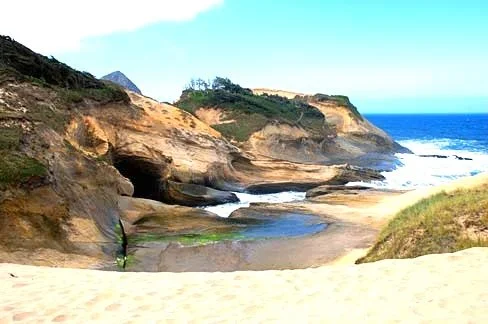
Preremembering Norma Paulus, Oregon Conservationist
A nuclear power plant never befouled Cape Kiwanda, and off-road vehicles do not befoul many miles of Oregon beaches today, because of Norma Paulus. In addition, Oregon’s land use planning system, bottle bill, beach protection, billboard limits, bicycle friendliness, and other environmental achievements were mightily helped by Paulus while serving in the Oregon House of Representatives. Oregon’s air and water quality are the better for her work.

The National Estuarine Research Reserve System
It is safe to say that most conservationists, not to mention the rest of Americans, have never heard of the National Estuarine Research Reserve System (NERRS). It is a federal and state partnership that is little known and therefore underappreciated.

The Overcrowding of Public Lands
In response to increasing overpopulation, what came to Muir Woods will eventually be coming to a natural recreation area near and/or dear to you. But actually, reversing overpopulation is not that hard. If all those who wanted children would limit themselves to two, what is now out of control could soon be back in control.

The Public Lands Conservation Movement: Mis-organized for Job #1
Why is it that public lands conservation (and other environmental) issues always poll well, but our movement is regularly getting its ass kicked in Congress (and now by the administration as well)? It’s because we’re not political enough.
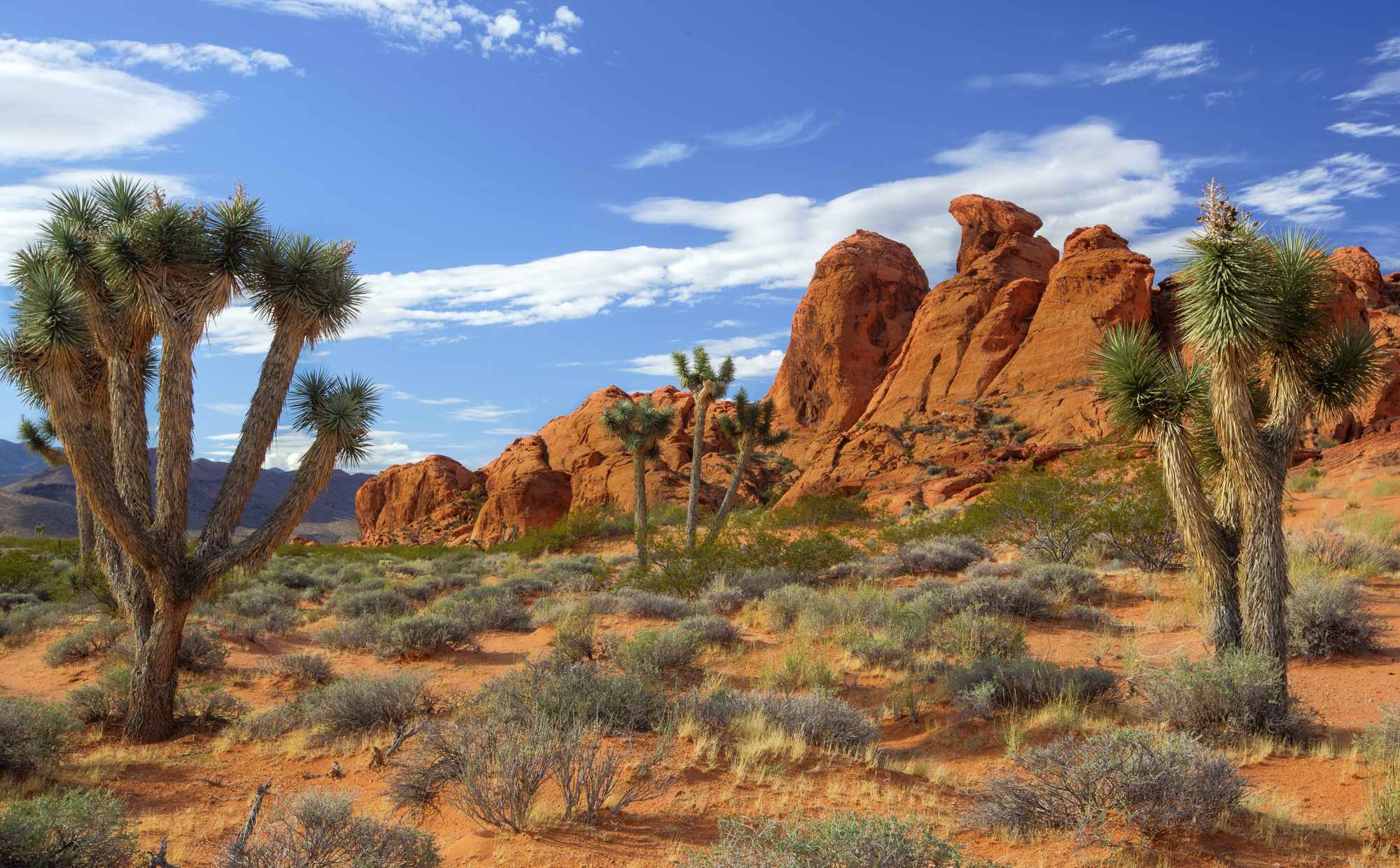
Using the Bundys for Good: Finding the Silver Lining for Public Lands
The Bundy band represents both an existential threat and an existential opportunity for America’s public lands. This is the fourth of four Public Lands Blog posts that examine the government mishandling of the Bundys, the Bundys’ legal troubles, the Bundys’ legal troublemaking, and the opportunities for the conservation community to apply political jujitsu on Bundy et al. to advance the conservation of America’s public lands

Abuse of Process by the Bundys: Trying to Make the Law Fit Their Beliefs
The Bundy band represents both an existential threat and an existential opportunity for America’s public lands. This is the third of four Public Lands Blog posts that examine the government mishandling of the Bundys, the Bundys’ legal troubles, the Bundys’ legal troublemaking, and the opportunities for the conservation community to apply political jujitsu on Bundy et al. to advance the conservation of America’s public lands.

Bungling by the Bundys: A Sordid History of Defiance of the Rule of Law
The Bundy band represents both an existential threat and an existential opportunity for America’s public lands. This is the second of four Public Lands Blog posts that examine the government mishandling of the Bundys, the Bundys’ legal troubles, the Bundys’ legal troublemaking, and the opportunities for the conservation community to apply political jujitsu on Bundy et al. to advance the conservation of America’s public lands.

Bungling of the Bundys: A Postmortem Analysis of Government Incompetence
The Bundy band represents both an existential threat and an existential opportunity for America’s public lands. This is the first of four Public Lands Blog posts that examine the government mishandling of the Bundys, the Bundys’ legal troubles, the Bundys’ legal troublemaking, and the opportunities for the conservation community to apply political jujitsu on the Bundy gang to advance the conservation of America’s public lands.
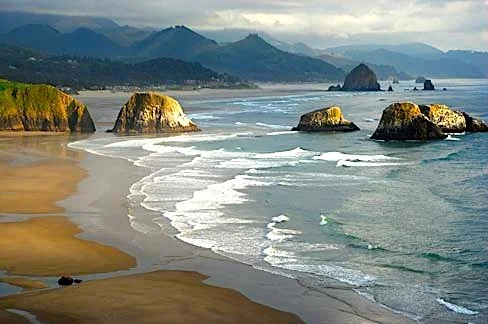
Protecting the Pacific Northwest Offshore Ocean for This and Future Generations
There might be far more or far less oil and gas offshore Oregon and Washington than the Bureau of Ocean Energy Management has estimated (see last weeks Public Lands Blog post). In any case, we really cannot afford to find out, as the only prudent course is to Keep It in the Ground and out of the atmosphere. This means all fossil fuels, offshore and onshore.
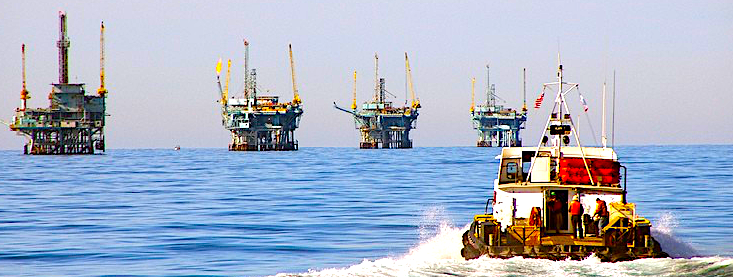
US Pacific Northwest Offshore Oil and Gas: A Waste of Time, Ocean and Coast
The federal Bureau of Ocean Energy Management (BOEM) estimates there is an even chance that 0.4 billion barrels of oil and 2.28 trillion cubic feet of natural gas that are technically exploitable might be discovered under the Outer Continental Shelf offshore Oregon and Washington. At 2017 rates of consumption, this amount of oil and gas would fuel the United States for twenty and thirty-one days respectively, meaning the United States would convert to a carbon-free economy a month later than we otherwise will.

Defensible Space: The Best and Only Hope for the Homeowner In or Near a Forest
If one is going to live in or near a forest, one assumes a higher risk of fire. The best way to minimize that risk is to seriously and continually create and maintain defensible space. It’s not cheap. If it were, it would have been done already.