Return to Old-Growth Liquidation in Western Oregon?
Top Line: Once again, 2.4 million acres of the nation’s forestlands in western Oregon are under existential threat.
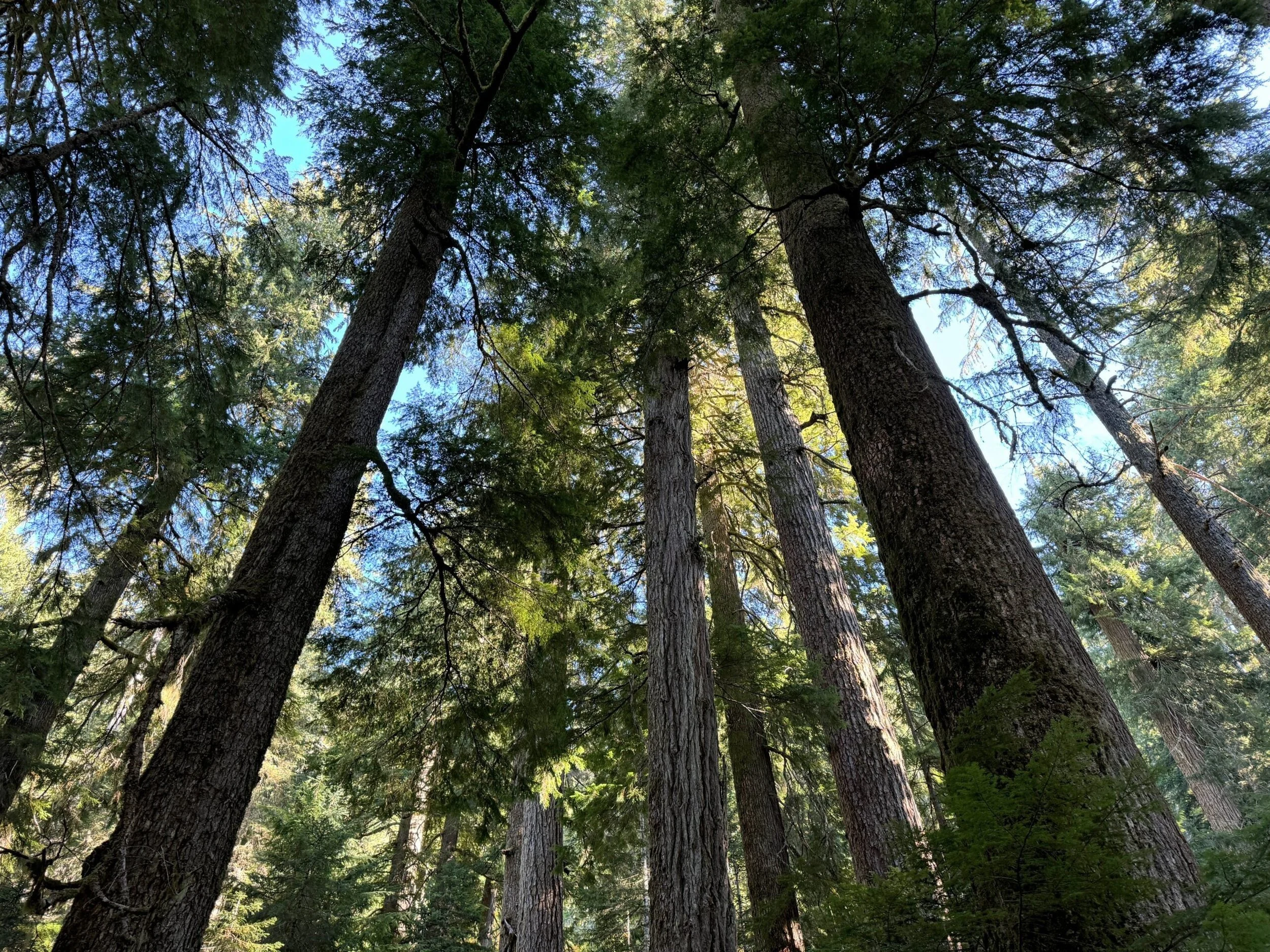
Figure 1. Old-growth forest stand on a piece of the nation’s forestlands in western Oregon administered by the Bureau of Land Management. Source: Oregon Wild.
Approximately 2.4 million acres of federal public forestlands in western Oregon are administered by the Bureau of Land Management (BLM) instead of the Forest Service, as they are not within the National Forest System. While the BLM administers more than 30 million acres of forested lands nationwide, these 2.4 million acres in western Oregon are the most subject to controversy (because they have a lot of mature and old-growth forest that Big Timber wants to log).
See Public Lands Blog post “The Forested Estate of the Bureau of Land Management” (2022)
Throughout a sordid and checkered history that started with land grants to the Oregon and California Railroad in 1866 and continues to this day, Big Timber and Addicted Counties have long conspired to have their way with these public forests that belong to the nation, not to them. For nearly a century, these special interests did indeed have their way with this part of the nation’s forestlands. In recent decades, not as much—and it pisses them off. Now the political winds under President Donald J. Trump are once again blowing in their direction.
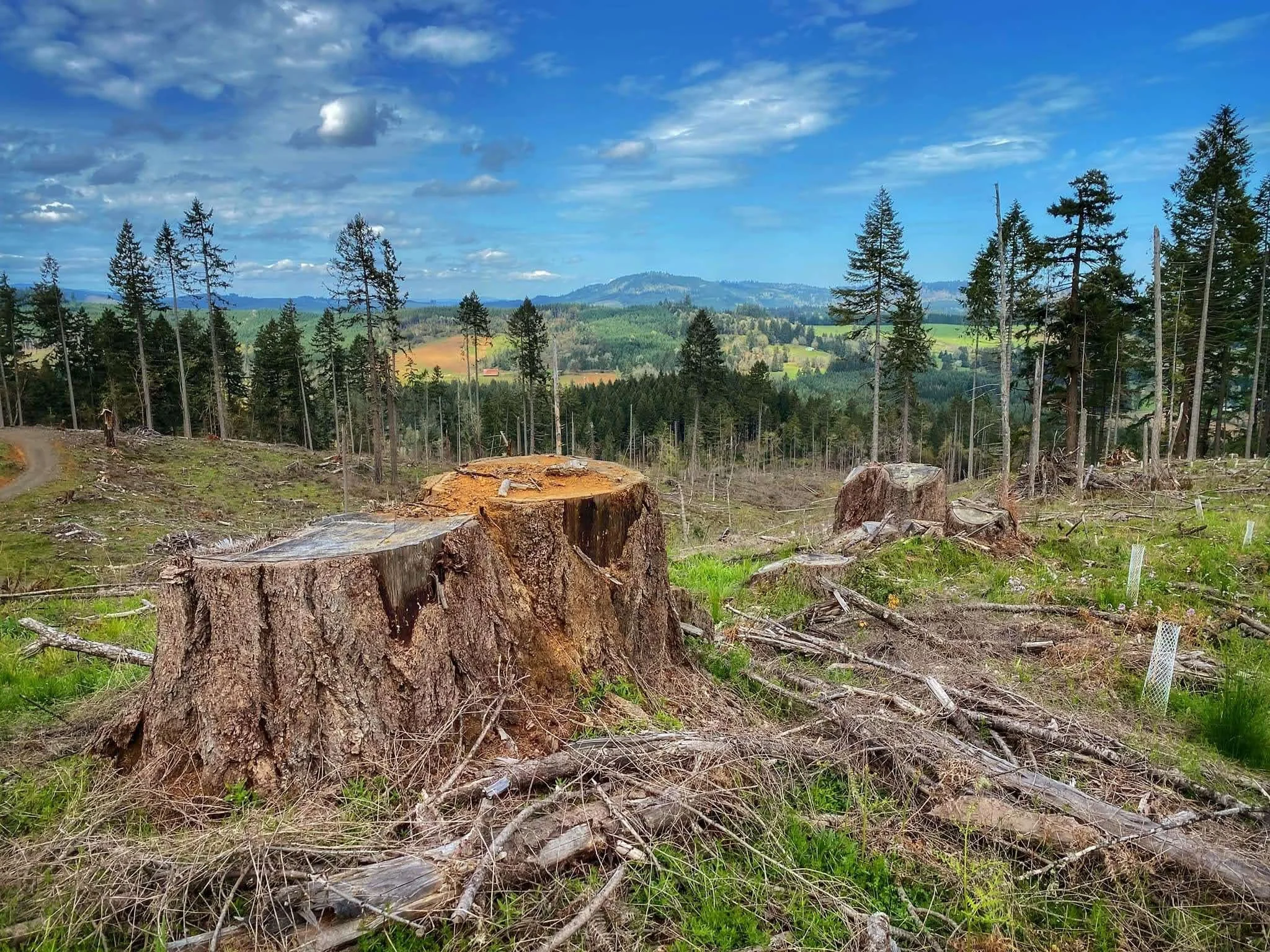
Figure 2. A former old-growth forest on BLM holdings in western Oregon. Source: Oregon Wild.
Recent Decades in a Sordid and Checkered History
Until a series of judicial injunctions ca. 1990 halted large-scale old-growth forest liquidation to protect habitat for the northern spotted owl, the BLM and the Forest Service were logging 3 square miles of Oregon old-growth forest every week. First with the Northwest Forest Plan imposed on the federal forest agencies by President Clinton in 1994 and then in 2016 under President Obama as the BLM revised its resource management plans, logging levels were dramatically reduced. They were still too damn high, but—I happily admit—a lot lower than historic levels.
However, not high enough for those special interests. Big Timber (personified by the American Forest Resource Council, AFRC) and Addicted Counties (personified by the Association of O&C Counties, AOCC) brought suits in federal courts in Oregon and the District of Columbia challenging the legality of the BLM’s 2016 (late Obama) plans.
(I label them “Addicted Counties” because these eighteen counties in western Oregon receive 75 percent of timber receipts from the so-called O&C lands and can put the money toward any use, while other counties with national forests within their borders receive 25 percent of national forest timber receipts and are limited to spending the money on roads and schools. The result for Addicted Counties has been some of the lowest property taxes in the nation—and hundreds of thousands of acres of magnificent old-growth forest replaced with monoculture timber plantations.)
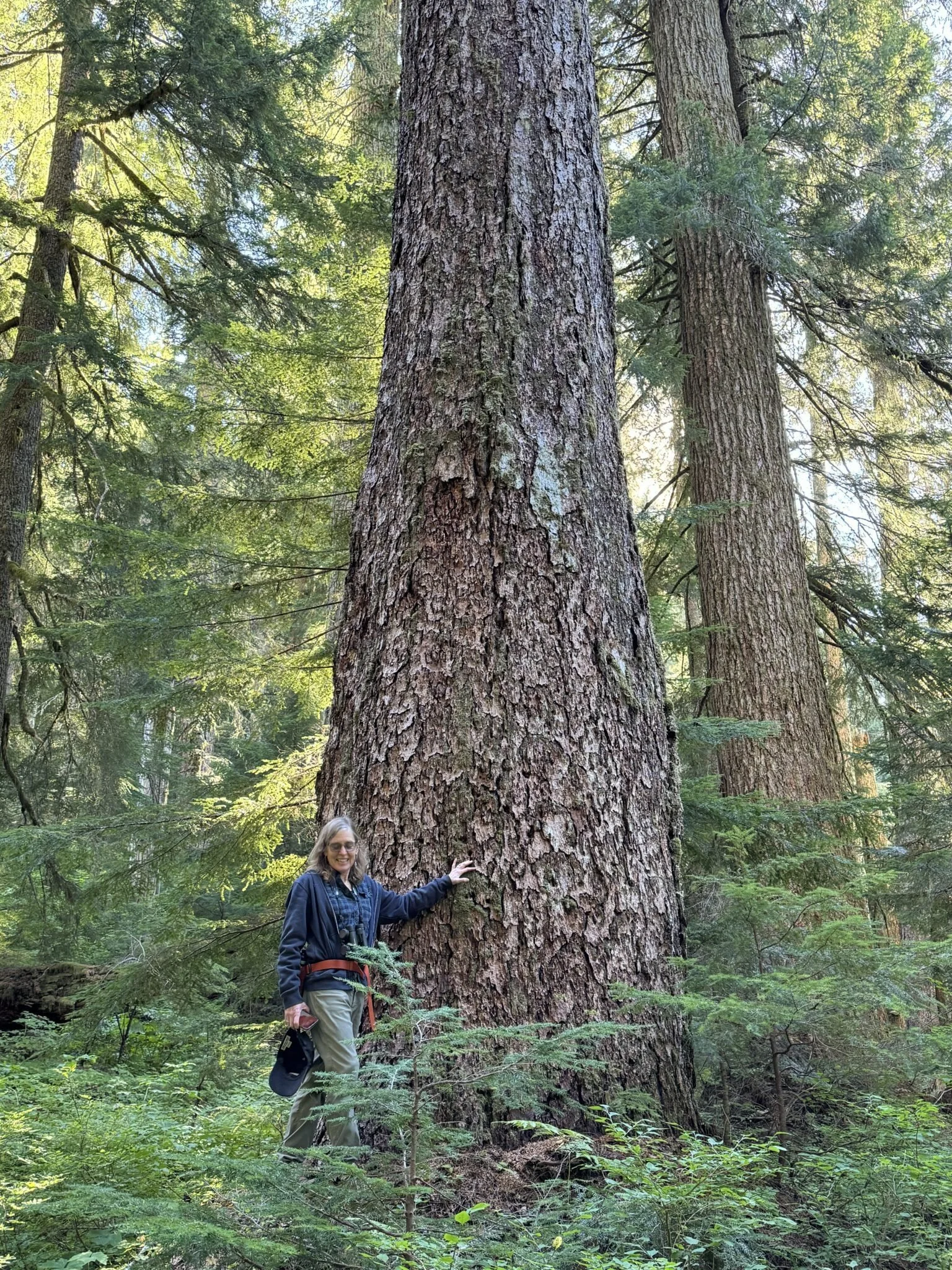
Figure 3. A very old, very large Sitka spruce. The only way to attain the timber volumes sought by the Trump administration is to return to the massive liquidation of old-growth forests. Source: Oregon Wild.
Seeking favorable venues for its court challenges, Big Timber filed in both the US District Court for Oregon and the US District Court for the District of Columbia. The claims were essentially similar and boiled down to this: the Oregon and California Lands Act of 1937 mandated timber über alles on O&C lands and should trump (no pun intended) every other federal statute protecting the environment (the Clean Water Act, the Federal Land Policy and Management Act, the Endangered Species Act, et al.). In the view of Big Timber, the O&C Act of 1937 was a combination 11th Commandment and 28th Amendment.
See Public Lands Blog post “O&C Lands Act, Part 1: Neither 11th Commandment Nor 28th Amendment” (2024)
In Oregon, the district court disagreed, as did the US Ninth Circuit Court of Appeals on review. Everything asserted by Big Timber and Addicted Counties about what the O&C Act meant was demolished by the courts. The exaltation of timber above all else on O&C lands was not a thing.
See Public Lands Blog post “O&C Lands Act, Part 2: The Decision of the Ninth Circuit Court of Appeals” (2024)
In the District of Columbia, the district court agreed with Big Timber and Addicted Counties, but the District of Columbia Circuit Court of Appeals did not. Instead, it agreed with its Ninth Circuit counterpart. Again, the court found that the exaltation of timber above all else on O&C lands was not a thing.
See Public Lands Blog post “O&C Lands Act, Part 3: The Decision of the District of Columbia Circuit Court of Appeals” (2024)
As there was no conflict between the two courts of appeal rulings, the United States Supreme Court declined review. It was settled: Big Timber and Addicted Counties had misread the O&C Act of 1937, and more important, the BLM had long misapplied (aka “violated”) the O&C Act.
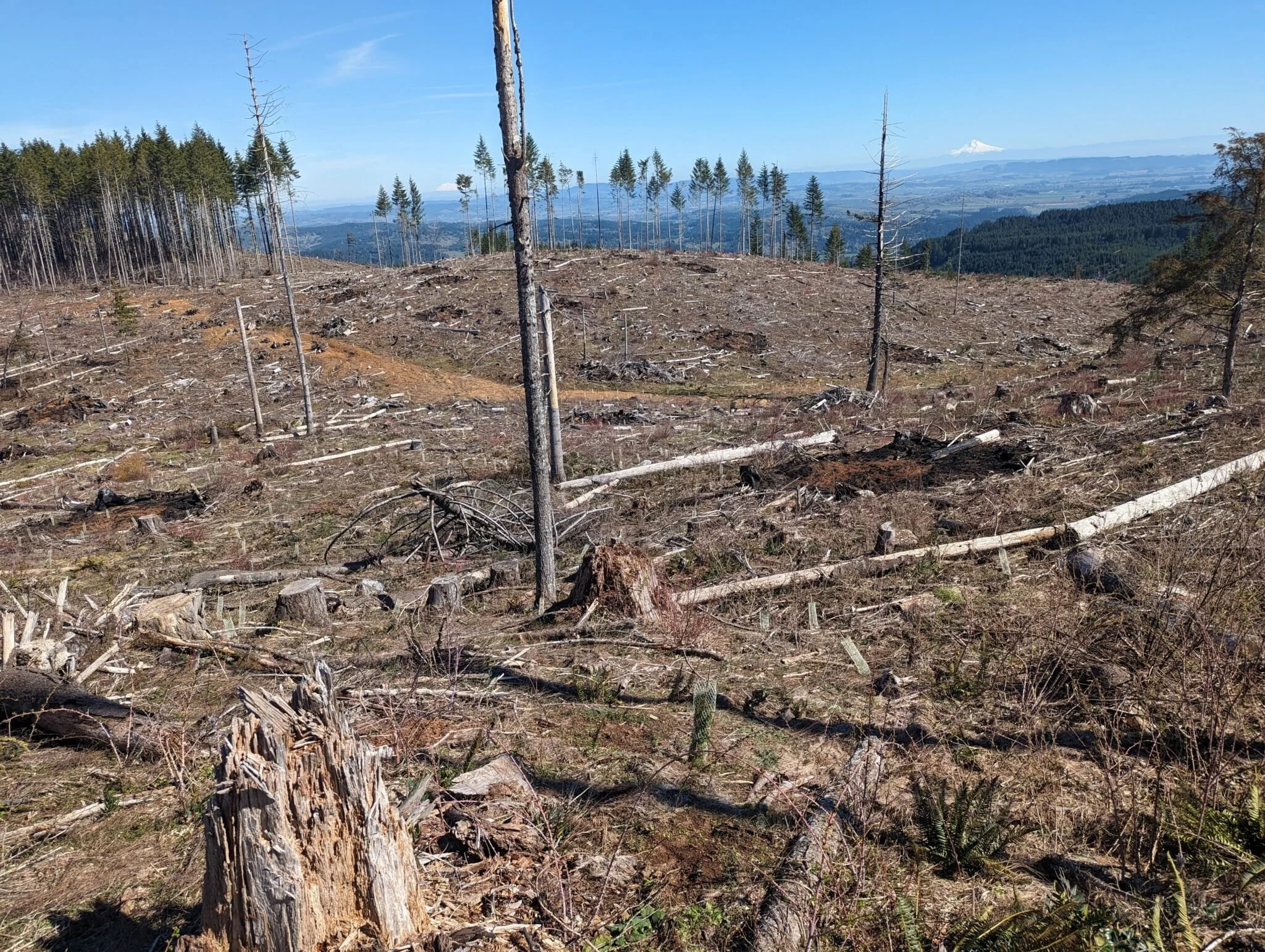
Figure 4. Logging on western Oregon BLM land. As a few trees are left standing (until the next big windstorm), the BLM says this is not a clear-cut. Source: Oregon Wild.
A Return to the Bad Old Days?
Comes now the second Trump administration, which is not renowned for following the law and which wants to return to the bad old days. Explaining proposed updates to BLM resource management plans for the timberlands in western Oregon, acting BLM director Bill Groffy said, “Bringing timber production back to historic levels is essential for reviving local economies and reducing the threat of catastrophic wildfires.” At the peak of cutting in 1988, the BLM was logging 3.6 square miles (or 1,765 American football fields) per month on its western Oregon holdings.
Perhaps sensing that the Trump administration scheme to quadruple logging (the vast majority of which would be liquidating the last of the old-growth forest) on the O&C lands—at the behest of AFRC and AOCC—might run afoul of the recent adjudications of the O&C Act, Representative Cliff Benz (R-OR-2nd) has introduced legislation to amend the O&C Act to make it say what the special interests have long hoped it says and what the BLM long misinterpreted it to say until the Clinton, Obama, and Biden administrations. Benz’s bill has no cosponsors in the US House of Representatives and no companion legislation in the US Senate.
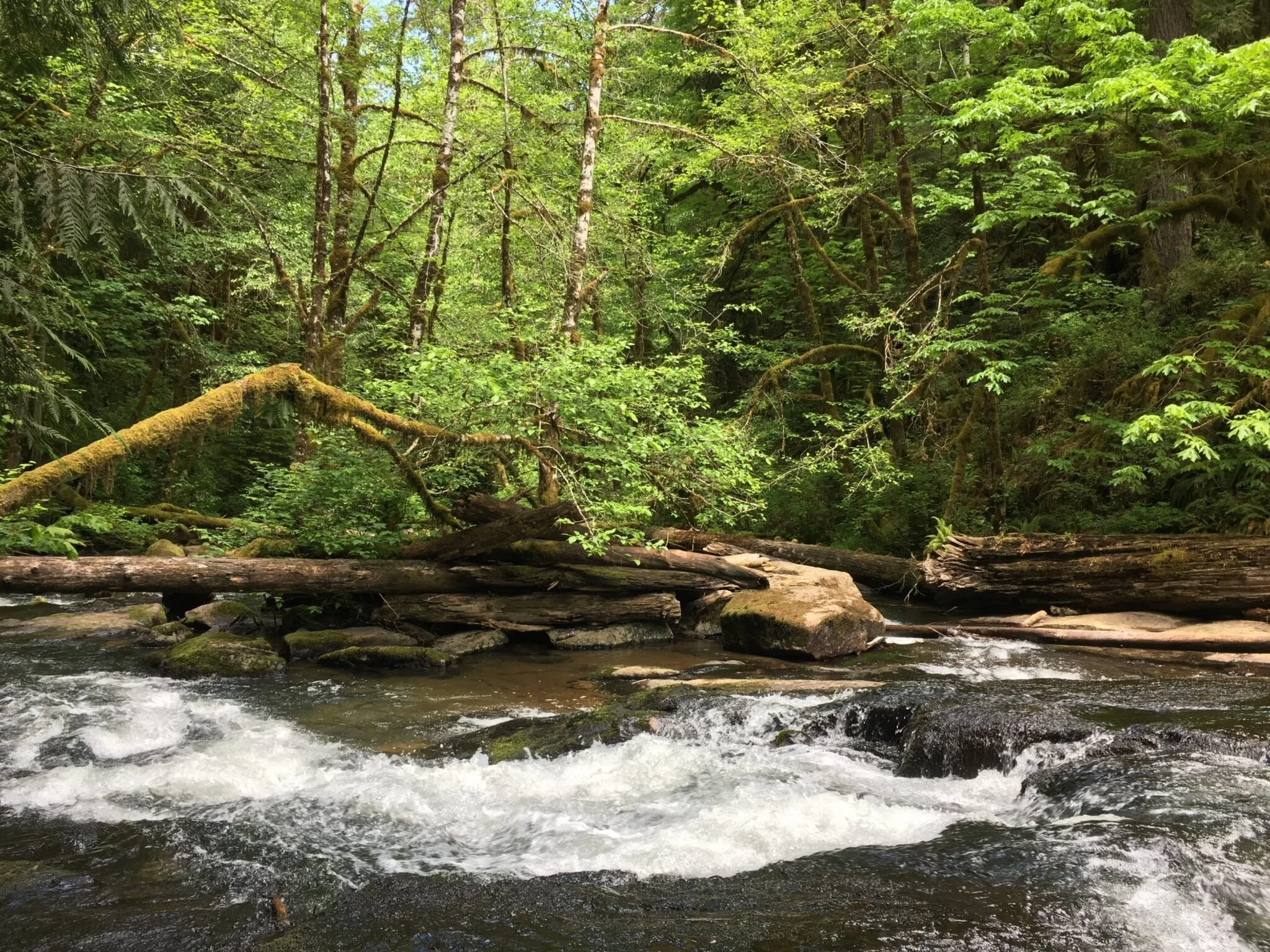
Figure 5. A river in the BLM’s western Oregon forestlands. It’s not just about the big trees but also the watersheds that support fish and wildlife and downstream uses by humans. Source: Oregon Wild.
It’s Time to End the Whipsawing
During the Bush 41, Bush 43, Trump 45, and Trump 47 administrations, logging levels on the O&C forestlands were obscenely high or sought to be obscenely high again. During the Clinton 42, Obama 44, and Biden 46 administrations, logging levels were dramatically lower (but not low enough). There is every reason to believe this trend will continue.
The conservation community will very likely do a fine job of beating back this latest existential threat to western Oregon BLM forestlands. However, in this case, the best defense is partly a better offense. It is time to consign the O&C label for national public forestlands to the ash heap of history. To do so will require the enactment into law of new legislation. This will require the rest of the Oregon congressional delegation to step up.
The O&C Lands Act of 1937 should be repealed and the generally forested BLM lands in western Oregon should be transferred to Forest Service administration and made fully part of the National Forest System. At present these lands don’t show up in green on most maps, as national forests do, so most Americans don’t know about BLM forestlands, and to not know of a forest is to not love a forest. The existing Siuslaw, Mount Hood, Willamette, Umpqua, Rogue River–Siskiyou, and Fremont-Winema National Forests could be expanded to accomplish the goal. Several thousand acres of western Oregon BLM lands along the Oregon Coast should be transferred to the Fish and Wildlife Service and incorporated into the National Wildlife Refuge System.
In 1952, Congress resolved that 400,000 acres of O&C land grant lands within the boundaries of national forests should be managed like other national forests. The world did not end and, in fact, is the better for it.
More than a decade ago, during a previous existential crisis for the O&C lands, Senators Ron Wyden (D-OR) and Jeff Merkley (D-OR) introduced legislation that would have permanently protected the mature and old-growth forest on western Oregon BLM holdings. Their effort was eventually dropped. It’s time for them to again pick up the ball and ensure that western Oregon BLM forestlands of any age be administered to best meet the needs of this and future generations.
See Public Lands Blog post “O&C Lands Act, Part 4: Repeal the Act and Transfer the Lands” (2024)
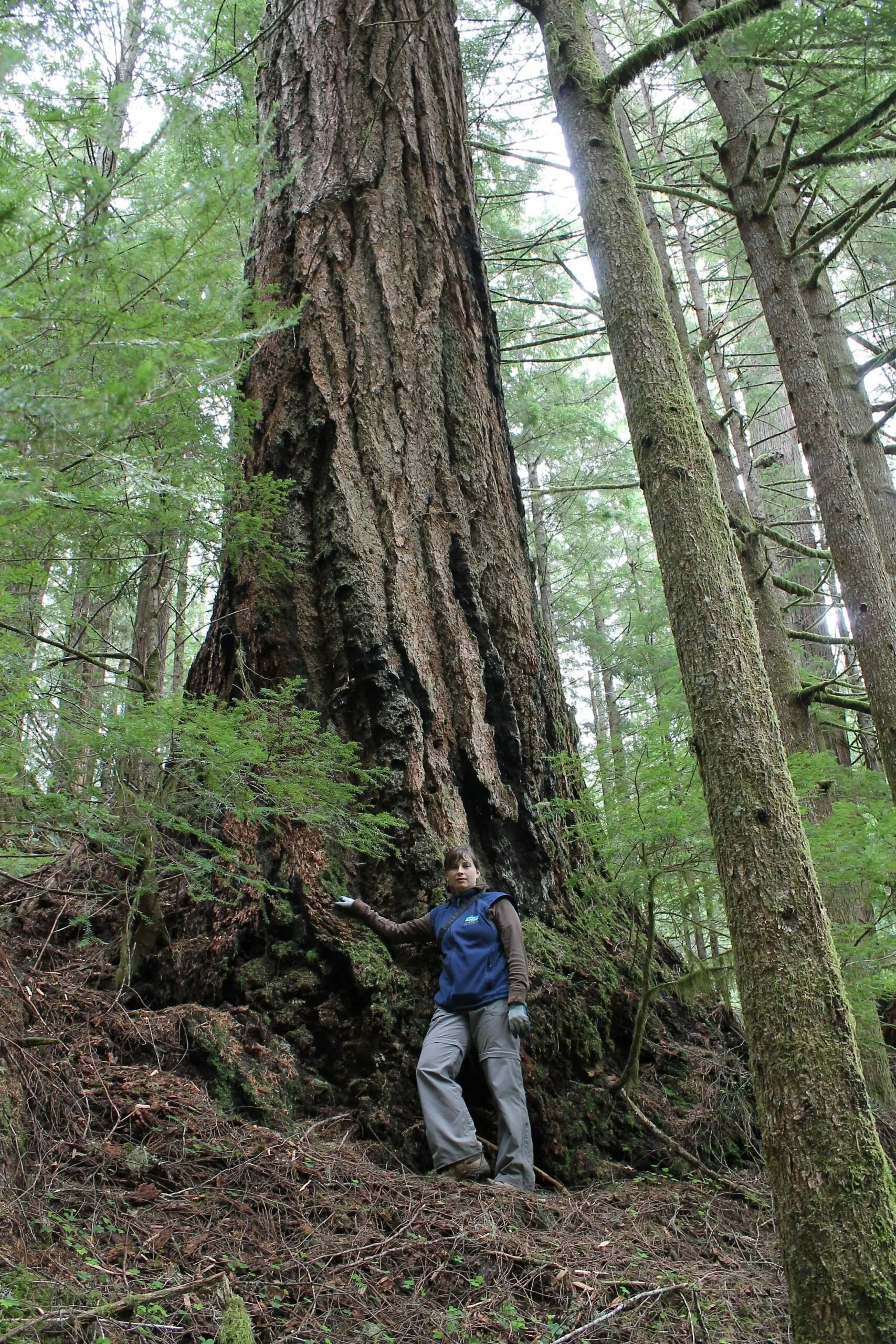
Figure 6. An old-growth Douglas-fir. Even above the significant butt swell, the tree is significantly wider than the conservationist is tall. Source: Oregon Wild.
Bottom Line: All the nation’s forests should be national forests.
For More Information
Kerr, Andy. 2022. “The Forested Estate of the Bureau of Land Management.” Public Lands Blog.
———. 2024a. “O&C Lands Act, Part 1: Neither 11th Commandment Nor 28th Amendment.” Public Lands Blog.
———. 2024b. “O&C Lands Act, Part 2: The Decision of the Ninth Circuit Court of Appeals.” Public Lands Blog.
———. 2024c. “O&C Lands Act, Part 3: The Decision of the District of Columbia Circuit Court of Appeals.” Public Lands Blog.
———. 2024d. “O&C Lands Act, Part 4: Repeal the Act and Transfer the Lands.” Public Lands Blog.
Robertson, Arran. February 18, 2026. Trump Admin Announces Old-Growth Clearcutting Plan for Western Oregon. Oregon Wild.