Sort By Category
- 30x30
- Administration
- Antiquities Act
- Book Reviews
- Bureau of Land Management
- Climate Change
- Coasts
- Congress
- Counties & Federal Lands
- Courts
- Courts & Litigation
- Department of Agriculture
- Department of Interior
- Deserts
- Ecological Reserves
- Ecosystems
- Elections
- Endangered Species
- Energy
- Estuaries
- Federal Lands
- Fish
- Fish and Wildlife Service
- Forest
- Forest Service
- Forestry
- Forests
- Grasslands
- Land & Water Cons. Fund
- Land & Water Conservation Fund
- Legislation
- Litigation
- Livestock Grazing
- Marine National Monuments
- Marine Protected Areas
- Marine Sanctuaries
- Mature and Old-Growth Forest
- Mining
- Nat'l Conservation Lands
- National Forest System
- National Marine Sanctuaries
- National Monuments
- National Monuments Act
- National Park Service
- National Park System
- National Parks
- National Recreation Area
- National Scenic Area
- National Trails System
- National Wildlife Refuges
Sort By Tag
- 1002 area
- 30x30
- 5th Amendment
- ANWR
- Acadia National Park
- Adam Smith
- Administrative Procedure Act
- Advancing Conservation and Education Act
- Alan Bates
- Alan Deboer
- Alaska
- Alaska National Interest Lands Act
- Alaska Native Claims Settlement Act
- Aldo Leopold
- American Forest Resource Council
- American Prairie Reserve
- American Tree Farm System
- American beef supply
- American black duck
- American woodcock
- Ammon Bundy
- Ancient Forest National Park
- Anders Eskil Carlson
- Andrea Salinas
- Andrew N. Gray
- Andy Kerr
- Animal unit month
- Ansel Adams
- Antiquities Act
- Applegate Primitive Backcountry Area
- Aqua Fria National Monument
- Aquatic Conservation Strategy
- Aquatic Conservation and Riparian Strategy
- Arches National Monument
- Arches National Park
- Arctic National Wildlife Refuge
- Areas of Critical Environmental Concern
- Army Corps of Engineers
- Association of O&C Counties
- Astoria Canyon
- Astoria Fan
- Atlantic Coast
- Augusta Canal NHA
- Avarna Group
- Avi Kaw Ame
- BLM Conservation Rule
- BLM Zone 3 Lands
- BOEM Oregon Planning Area
- Baboquivari Peak Wilderness
- Baker County

Malheur County Federal Land Legislation Take 4, Part 1: The Good, the Whatever, and the Bad
With a few critical tweaks, Senator Wyden’s legislation could be a net gain for the conservation of nature for the benefit of this and future generations. Without those tweaks, the bill as drafted is an existential threat to the conservation of federal public lands and should not be enacted into law.

Forest Service Proposes Rulemaking: An Opportunity to Conserve and Restore Mature and Old-Growth Forests
The Forest Service has announced it is going to be proposing new regulations to address the “climate resilience” of the National Forest System. We can hope these will include the conservation and restoration of mature and old-growth forests and trees.

How Much Mature and Old-Growth Forest Does the US Have Left?
Supreme Court Justice Potter Stewart said it of pornography, but he could have applied the thought to old-growth forests as well: “I shall not today attempt further to define the kinds of material I understand to be embraced . . . but I know it when I see it.”
The BLM’s Proposed “Conservation” Rule: Open for Comments
The nation’s largest land manager is proposing a new “conservation” rule that might result in improved land management but more likely will serve as a shield for the agency to continue to degrade public lands at the expense of this and future generations.
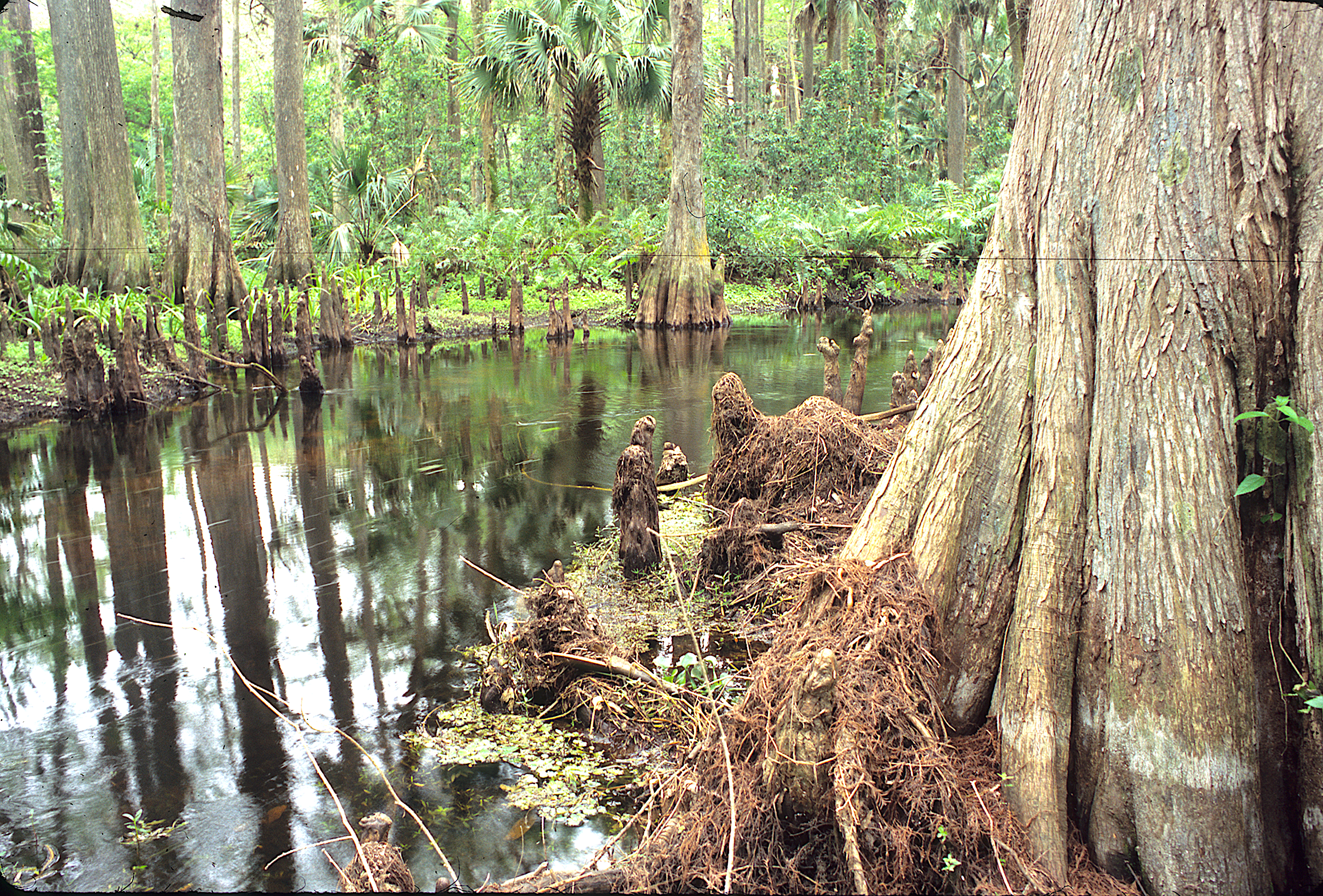
Forests in the American East, Part 3: A Vision of the Return of Old-Growth Forests
This is the third of a three-post examination of forests in the American East. Part 1 diagnosed an “environmental generational amnesia” that makes people think it is okay to not have real (old-growth) forests and to tolerate, if not facilitate, massive and repeated clear-cutting and/or deforestation in the name of creating “early successional habitat” for species of wildlife that we need not be concerned about. Part 2 shed light on a conspiracy of self-interested timber companies, misguided public land foresters, misinformed wildlife biologists, and Kool-Aid-drinking conservationists. This Part 3 suggests ways to partially—but significantly—bring back the magnificent old-growth forests that have long been lost.

Forests in the American East, Part 2: A Plague of Early Successional Habitat
This is the second of a three-post examination of forests in the American East. Part 1 diagnosed an “environmental generational amnesia” that makes people think it is okay to not have real (old-growth) forests and to tolerate, if not facilitate, massive and repeated clear-cutting and/or deforestation in the name of creating “early successional habitat” for species of wildlife that we need not be concerned about. This Part 2 sheds light on a conspiracy of self-interested timber companies, misguided public land foresters, misinformed wildlife biologists, and Kool-Aid-drinking conservationists. Part 3 will suggest ways to partially—but significantly—bring back the magnificent old-growth forests that have long been lost.
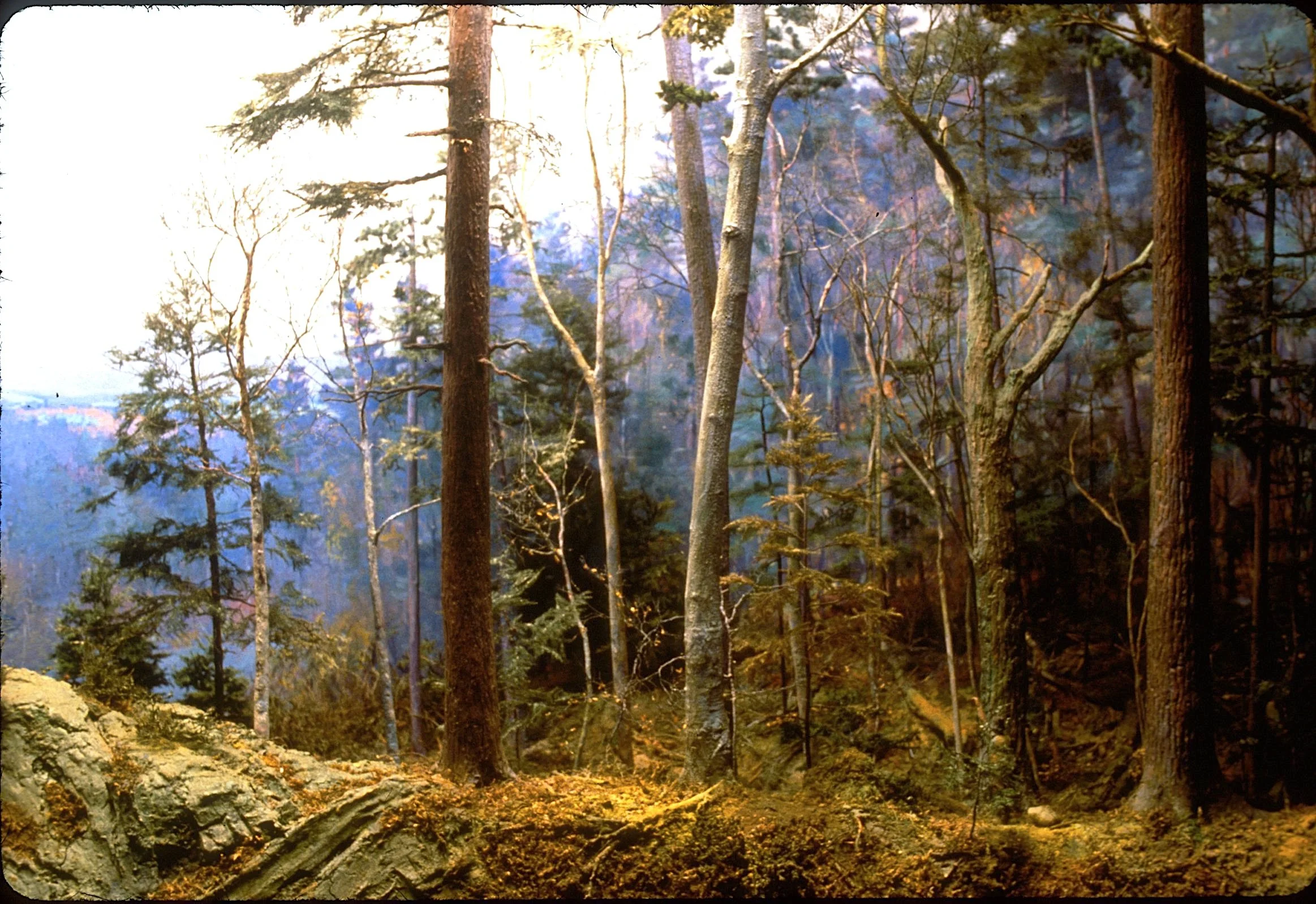
Forests in the American East, Part 1: A Pandemic of Shifting Baseline Syndrome
This is the first of a three-post examination of forests in the American East. Part 1 diagnoses an “environmental generational amnesia” that makes people think it is okay to not have real (old-growth) forests and to tolerate, if not facilitate, massive and repeated clear-cutting and/or deforestation in the name of creating “early successional habitat” for species of wildlife that we need not be concerned about. Part 2 will shed light on a conspiracy of self-interested timber companies, misguided public land foresters, misinformed wildlife biologists, and Kool-Aid-drinking conservationists. Part 3 will suggest ways to partially—but significantly—bring back the magnificent old-growth forests that have long been lost.

Preforests in the American West, Part 2: “Reforestation,” By Gawd?
This is the second of a two-post exploration of the stage of forest succession that occurs after a stand-replacing event and before the canopy again closes and dominates the site. Part 1 discussed why preforests are valuable, if undervalued. Part 2 addresses management of preforests to preserve their ecological value.

Preforests in the American West, Part 1: Understanding Forest Succession
This is the first of a two-post exploration of the stage of forest succession that occurs after a stand-replacing event and before the canopy again closes and dominates the site. In Part 1, we discuss why preforests are valuable, if undervalued. In Part 2, we will address management of preforests to preserve their ecological value.

Book Review: Our Common Ground: A History of America’s Public Lands
Understanding the history of public lands is useful if one is to be the best advocate for the conservation of public lands.

Remembering Ecowarrior Dave Foreman, Part 2: Moving the Needle
This is the second part of a two-part tribute to Dave Foreman, who recently shuffled off this mortal coil. Part 1 recounted Dave’s contribution to stopping the infamous Bald Mountain Road, a dagger into the heart of the Kalmiopsis wildlands in southwestern Oregon. Part 2 is my take on Dave’s unique contributions to the conservation and restoration of nature.
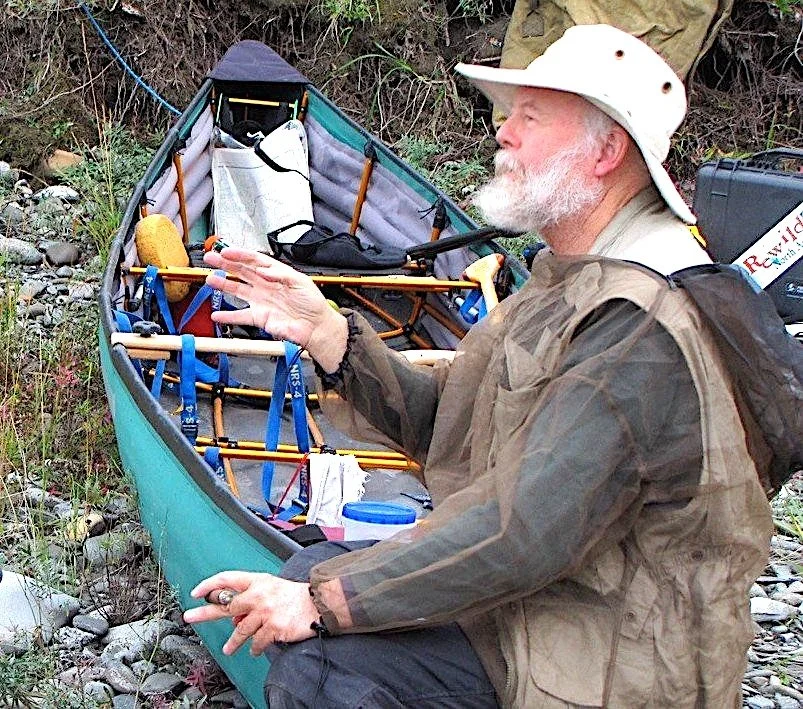
Remembering Ecowarrior Dave Foreman, Part 1: The Kalmiopsis Connection
This is the first part of a two-part tribute to Dave Foreman, who recently shuffled off this mortal coil. Part 1 recounts Dave’s contribution to stopping the infamous Bald Mountain Road, a dagger into the heart of the Kalmiopsis wildlands in southwestern Oregon. Part 2 is my take on Dave’s unique contributions to the conservation and restoration of nature.
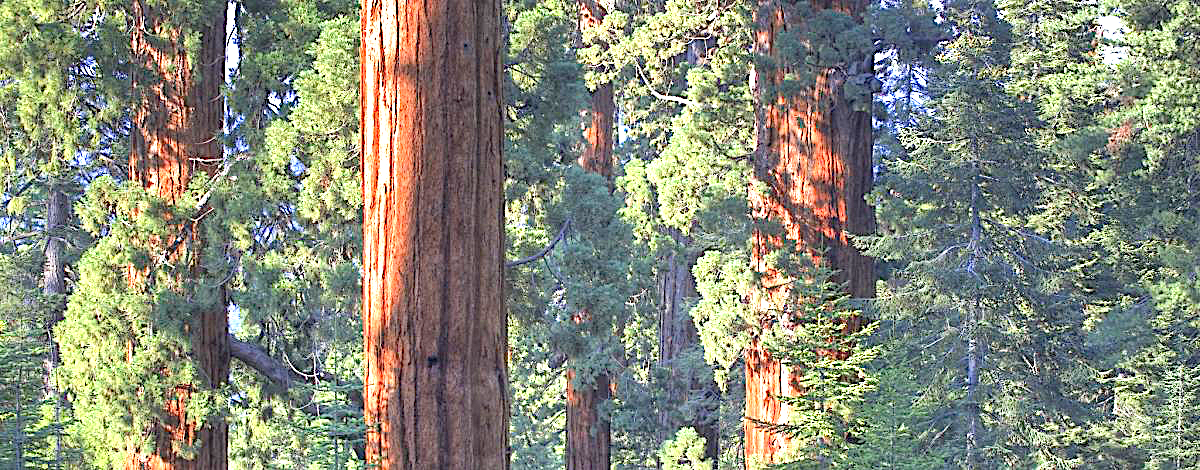
The Forested Estate of the Bureau of Land Management
While some states have more forested BLM land than does Oregon, in terms of biomass (think lots of big trees) Oregon’s BLM lands are likely more carbon-rich than all of the others combined.

NEPA Under Attack: A New Opportunity for Conservationists
Increasing criticism of the National Environmental Policy Act and other federal and state regulations is coming from those who want to protect the environment by rapidly decarbonizing society.

Oregon State Forests: Public Forests, Not County ATMs
It turns out that state forests are not held in trust for the financial benefit of certain timber-addicted counties.
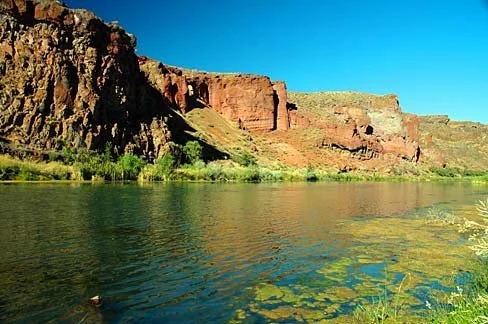
Senator Wyden’s Owyhee Wilderness, and More, Legislation
This third try may be the charm in Senator Wyden’s long effort to enact public lands legislation to conserve wildlands in the Owyhee and lower Malheur Basins in Oregon.
30x30: Biden Needs to Up His Game
For President Biden to ensure that 30 percent of the nation’s lands and waters are conserved by 2030, as he promised, the pace and scale of protections needs to increase dramatically.
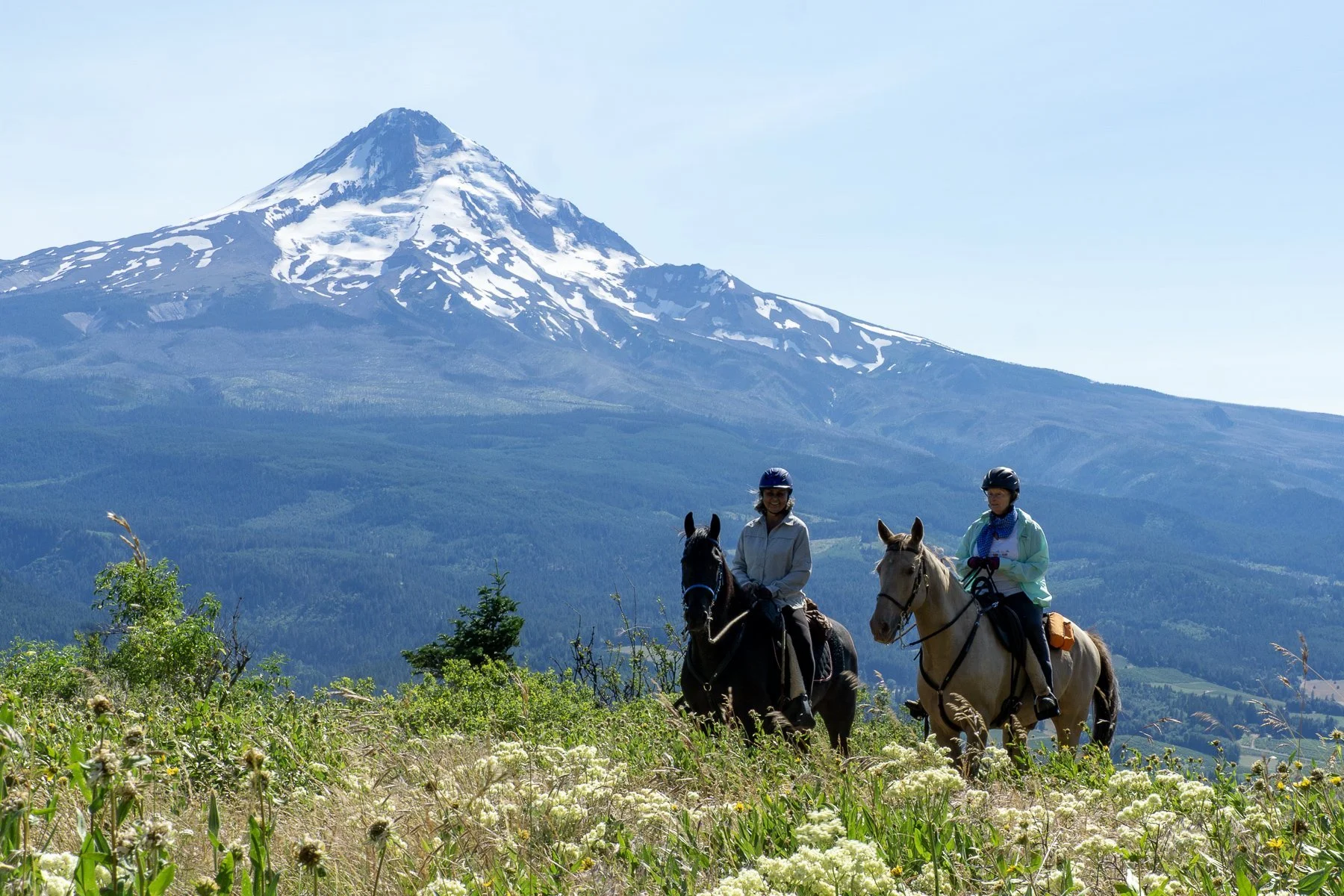
Blumenauer’s REC Act of 2022: A Wreck for Conservation
Blumenauer’s bill would open up Mount Hood National Forest to new logging loopholes.

Offshore Oregon Could Be Despoiled by Wind Power Turbines
We don’t have to despoil the environment and view off the shore of Oregon to produce carbon-free electricity.
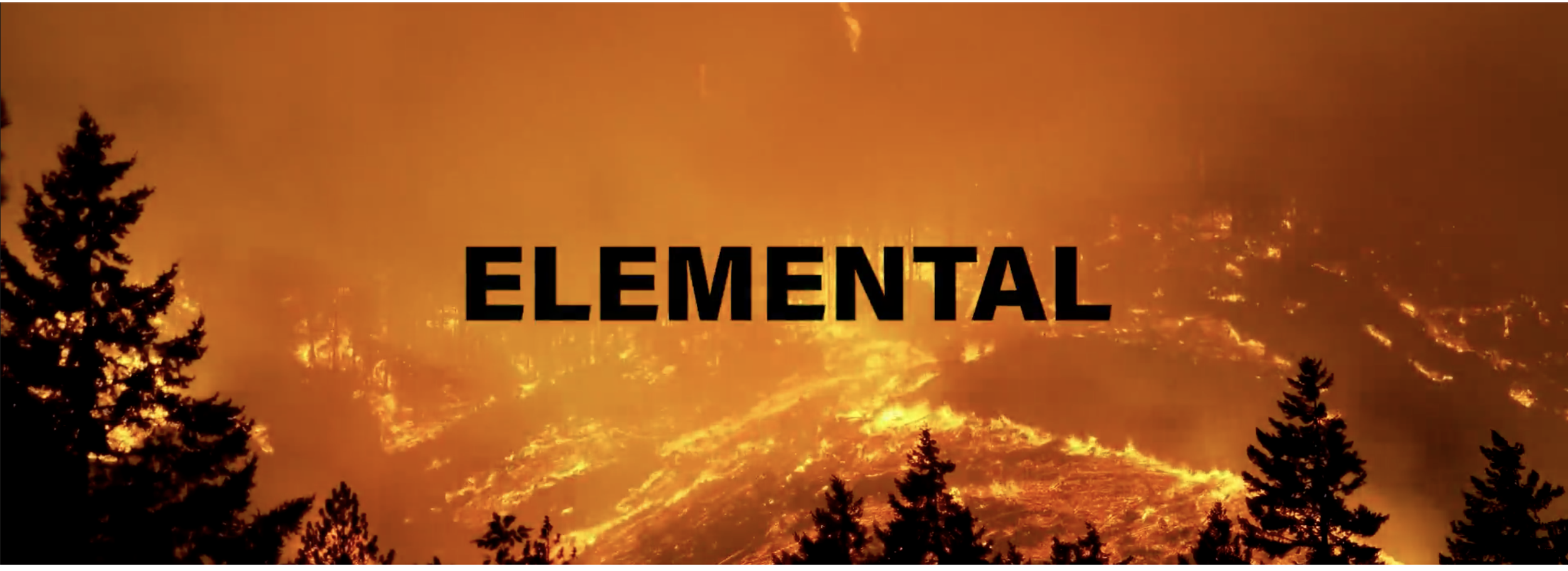
The Futility of “Fighting” Wildfire: Elemental—A Film Review
“It’s a home ignition problem, not a wildfire control problem.” —Jack Cohen, USDA Forest Service fire scientist