Sort By Category
- 30x30
- Administration
- Antiquities Act
- Book Reviews
- Bureau of Land Management
- Climate Change
- Climate change
- Coasts
- Congress
- Counties & Federal Lands
- Courts
- Courts & Litigation
- Department of Agriculture
- Department of Interior
- Deserts
- Ecological Reserves
- Ecosystems
- Elections
- Endangered Species
- Energy
- Estuaries
- Federal Lands
- Fish
- Fish and Wildlife Service
- Forest
- Forest Fires
- Forest Service
- Forestry
- Forests
- Grasslands
- Land & Water Cons. Fund
- Land & Water Conservation Fund
- Legislation
- Litigation
- Livestock Grazing
- Marine Protected Areas
- Marine Sanctuaries
- Mature & Old-Growth Forests
- Mature and Old-Growth Foresrts
- Mining
- Nat'l Conservation Lands
- National Forest System
- National Marine Sanctuaries
- National Monuments
- National Monuments Act
- National Park Service
- National Park System
- National Parks
- National Recreation Area
- National Scenic Area
Sort By Tag
- 1002 area
- 30x30
- 5th Amendment
- ANWR
- Acadia National Park
- Adam Smith
- Administrative Procedure Act
- Advancing Conservation and Education Act
- Alan Bates
- Alan Deboer
- Alaska
- Alaska National Interest Lands Act
- Alaska Native Claims Settlement Act
- Aldo Leopold
- American Forest Resource Council
- American Prairie Reserve
- American Tree Farm System
- American beef supply
- American black duck
- American woodcock
- Ammon Bundy
- Ancient Forest National Park
- Anders Eskil Carlson
- Andrea Salinas
- Andrew N. Gray
- Andy Kerr
- Animal unit month
- Ansel Adams
- Antiquities Act
- Applegate Primitive Backcountry Area
- Aqua Fria National Monument
- Aquatic Conservation Strategy
- Aquatic Conservation and Riparian Strategy
- Arches National Monument
- Arches National Park
- Arctic National Wildlife Refuge
- Areas of Critical Environmental Concern
- Army Corps of Engineers
- Association of O&C Counties
- Astoria Canyon
- Astoria Fan
- Atlantic Coast
- Augusta Canal NHA
- Avarna Group
- Avi Kaw Ame
- BLM Conservation Rule
- BLM Zone 3 Lands
- BOEM Oregon Planning Area
- Baboquivari Peak Wilderness
- Baker County

Toward 30x30: Using Presidential Authority to Proclaim National Wildlife Areas Within the National Forest System
The president could use authority granted long ago by Congress to significantly elevate the conservation status of large areas within the National Forest System.

30x30, Part 3: Forty-Four Tasty Conservation Recipes One Can Make at Home—If One Lives in the White House
This is the third of three Public Lands Blog posts on 30x30, President Biden’s commitment to conserve 30 percent of the nation’s lands and waters by 2030. In Part 1, we examined the pace and scale necessary to attain 30x30. In Part 2, we considered what constitutes protected areas actually being “conserved.” In this Part 3, we offer up specific conservation recommendations that, if implemented, will result in the United States achieving 30 percent by 2030.

30x30, Part 2: What “Conserved” Needs to Mean
This is the second of three Public Lands Blog posts on 30x30, President Biden’s commitment to conserve 30 percent of the nation’s lands and waters by 2030. In Part 1, we examined the pace and scale necessary to attain 30x30. In this Part 2, we consider what constitutes protected areas actually being “conserved.” In Part 3, we will offer up specific conservation recommendations that, if implemented, will result in the United States achieving 30 percent by 2030.

30x30, Part 1: By the Numbers
This is the first of three Public Lands Blog posts on 30x30, President Biden’s commitment to conserve 30 percent of the nation’s lands and waters by 2030. In Part 1, we examine the pace and scale necessary to attain 30x30. In Part 2, we will consider what constitutes protected areas actually being “conserved.” In Part 3, we will offer up specific conservation recommendations that, if implemented, will result in the United States achieving 30 percent by 2030.
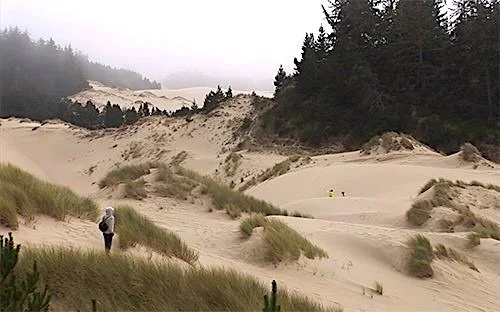
Senator Ron Wyden and National Recreation Areas: How Large a Legacy?
Oregon’s senior senator is poised to leave a legacy of national recreation areas. Just how many and how good that legacy will be is up to him.

An Elliott State Research Forest
The Oregon Legislature is taking up a bill to establish the Elliott State Research Forest. It is vital that the legislation become law in early 2022.

Social Cost of Fossil Fuels from US Public Lands
A fee based on the social cost of carbon dioxide, methane, and nitrous oxide should be imposed on fossil-fuel mining leases on federal public lands.
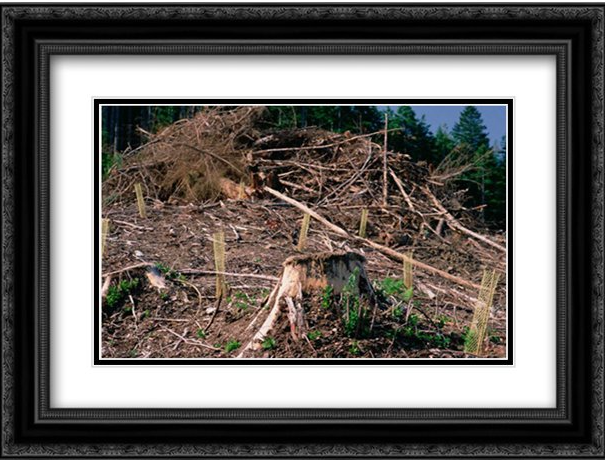
The Oregon Private Forest Accords, Part 2: Grand Bargain, Mere Détente, or Great Sellout?
This is the second of two Public Lands Blog posts that are not about public lands but rather the conservation of public resources on private land. I offer my take on the Oregon Private Forest Accords (OPFA) because several readers asked for it. Part 1 examined the Oregon OPFA deal and its significance. Part 2 examines whether the OPFA is a grand bargain, a mere détente, or a great sellout.
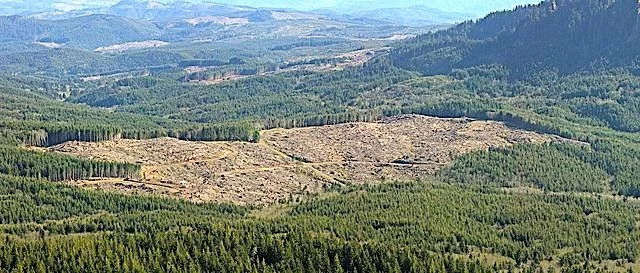
The Oregon Private Forest Accords, Part 1: The Deal and Its Significance
This is the first of two Public Lands Blog posts that are not about public lands but rather the conservation of public resources on private land. I offer my take on the Oregon Private Forest Accords (OPFA) because several readers asked for it. Part 1 examines the Oregon OPFA deal and its significance. Part 2 will examine whether the OPFA is a grand bargain, a mere détente, or a great sellout.
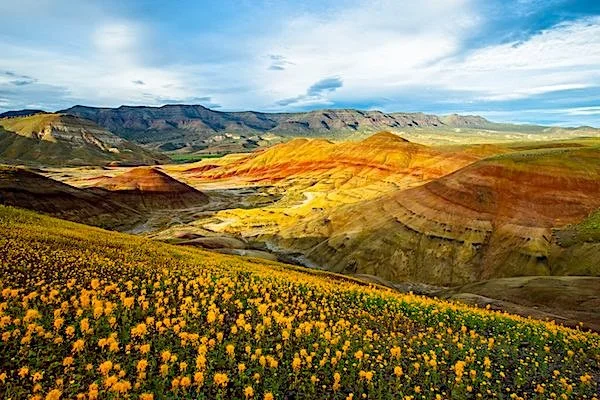
The Proposed Sutton Mountain National “Monument”
Legislation has been introduced to conserve and restore one of the most colorful natural landscapes in Oregon for the benefit of this and future generations.

B. Owl v. N. S. Owl
The barred owl has invaded the range of the northern spotted owl and needs to be stopped before driving the latter to extinction.
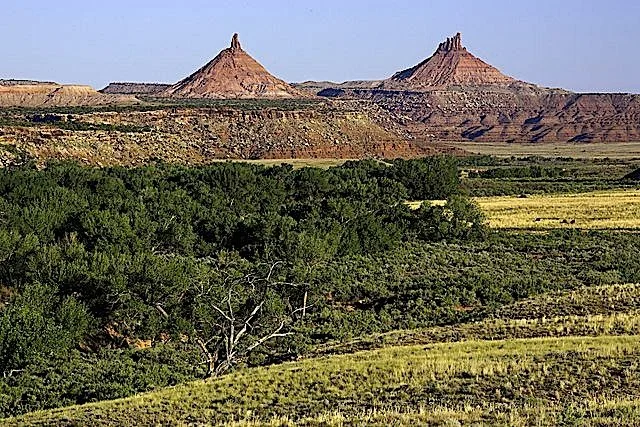
Clinton and Obama Giveth, Trump Taketh, and Biden Restoreth: Two National Monuments in the State of Utah
Two national monuments in Utah have been restored, but it isn’t over.
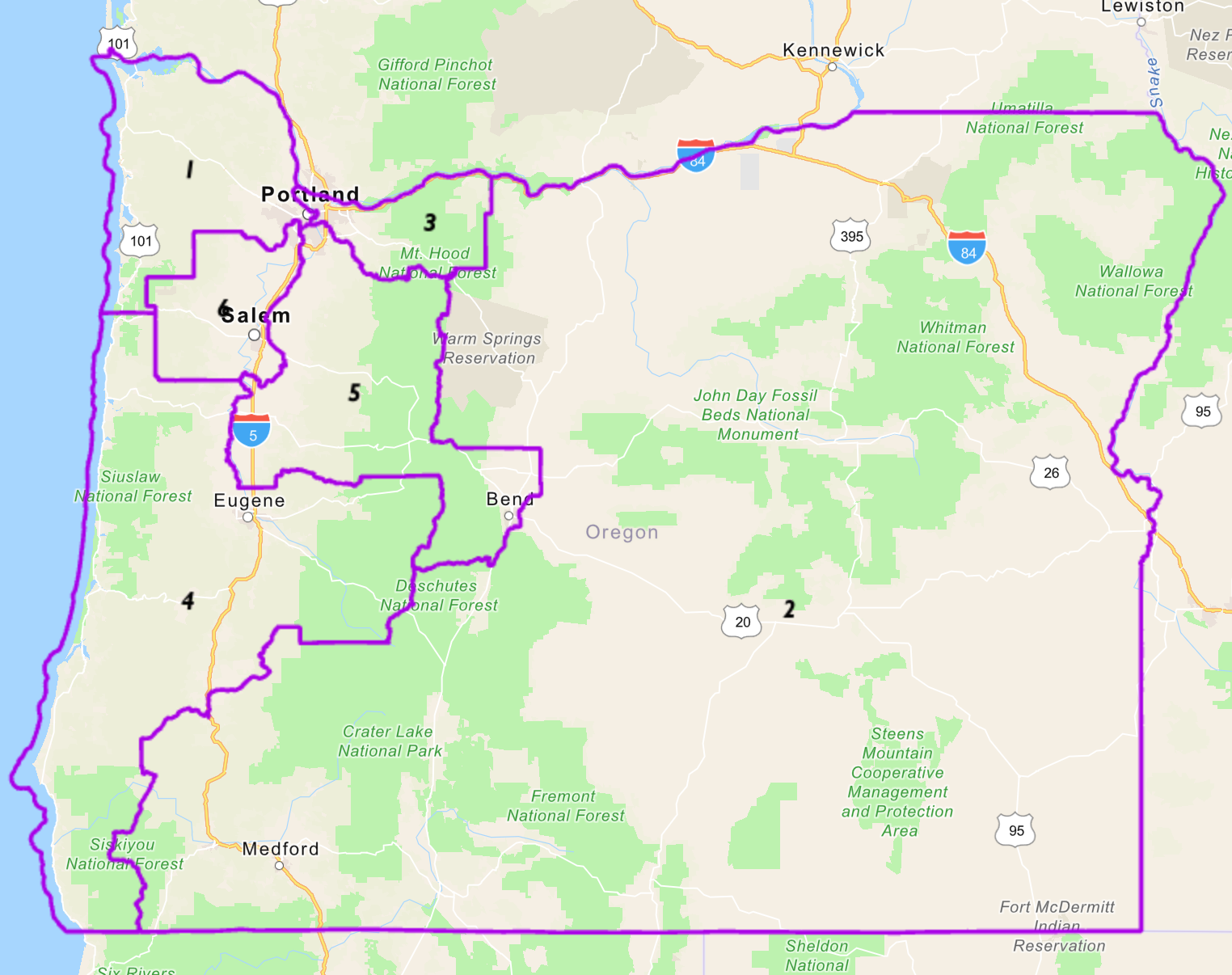
Oregon’s New Congressional Districts and Conserving Public Lands
Oregon’s redrawn congressional districts will affect the prospects for federal public lands conservation.
Small-d Democratic Reforms to Revive Our Republican Form of Government
Perhaps it’s just my crankiness index rising alongside my age, but I don’t think our democracy works as well as it used to. Not that it ever worked well enough, but I believe that all three branches of our national government are more dysfunctional than they used to be.

Where’s the Beef?
A huge amount of federal land is dedicated to domestic livestock grazing to produce a very small amount of feed and forage for the nation’s beef and lamb supply.

Oregon’s Blue Carbon, Part 3: Forested Tidal Swamps
This is the third of three Public Lands Blog posts that focus on Oregon’s coast. Part 1 looked at Oregon’s (and the nation’s) “blue carbon” and a congressional effort to conserve and restore it. Part 2 examined coastal wetland loss, conservation, and restoration. Part 3 describes a now very rare type of coastal wetland: the forested tidal swamp.

Oregon’s Blue Carbon, Part 2: Coastal Wetland Loss and Restoration
This is the second of three Public Lands Blog posts that focus on Oregon’s coast. Part 1 looked at Oregon’s (and the nation’s) “blue carbon” and a congressional effort to conserve and restore it. Part 2 examines coastal wetland loss, conservation, and restoration. Part 3 will describe a now very rare type of coastal wetland: the tidal swamp or tidal forested wetland.
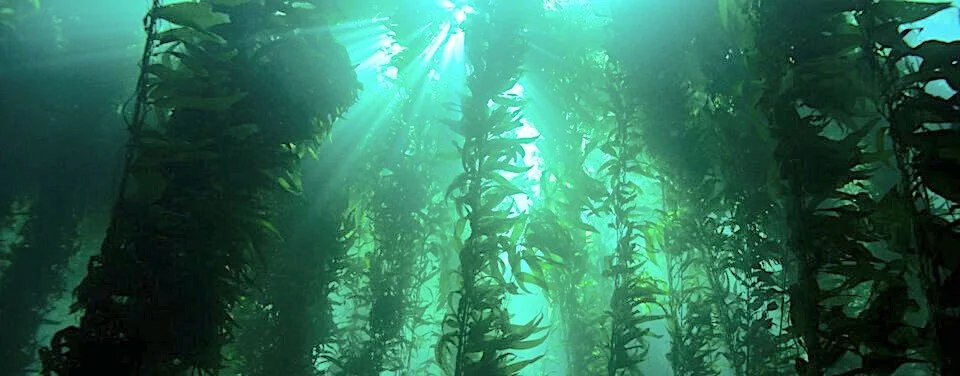
Oregon’s Blue Carbon, Part 1: Rep. Bonamici on the Case
This is the first of three Public Lands Blog posts that focus on Oregon’s coast. Part 1 looks at Oregon’s (and the nation’s) “blue carbon” and a congressional effort to conserve and restore it. Part 2 will examine coastal wetland loss, conservation, and restoration. Part 3 will describe a now very rare type of coastal wetland: the tidal swamp or tidal forested wetland.
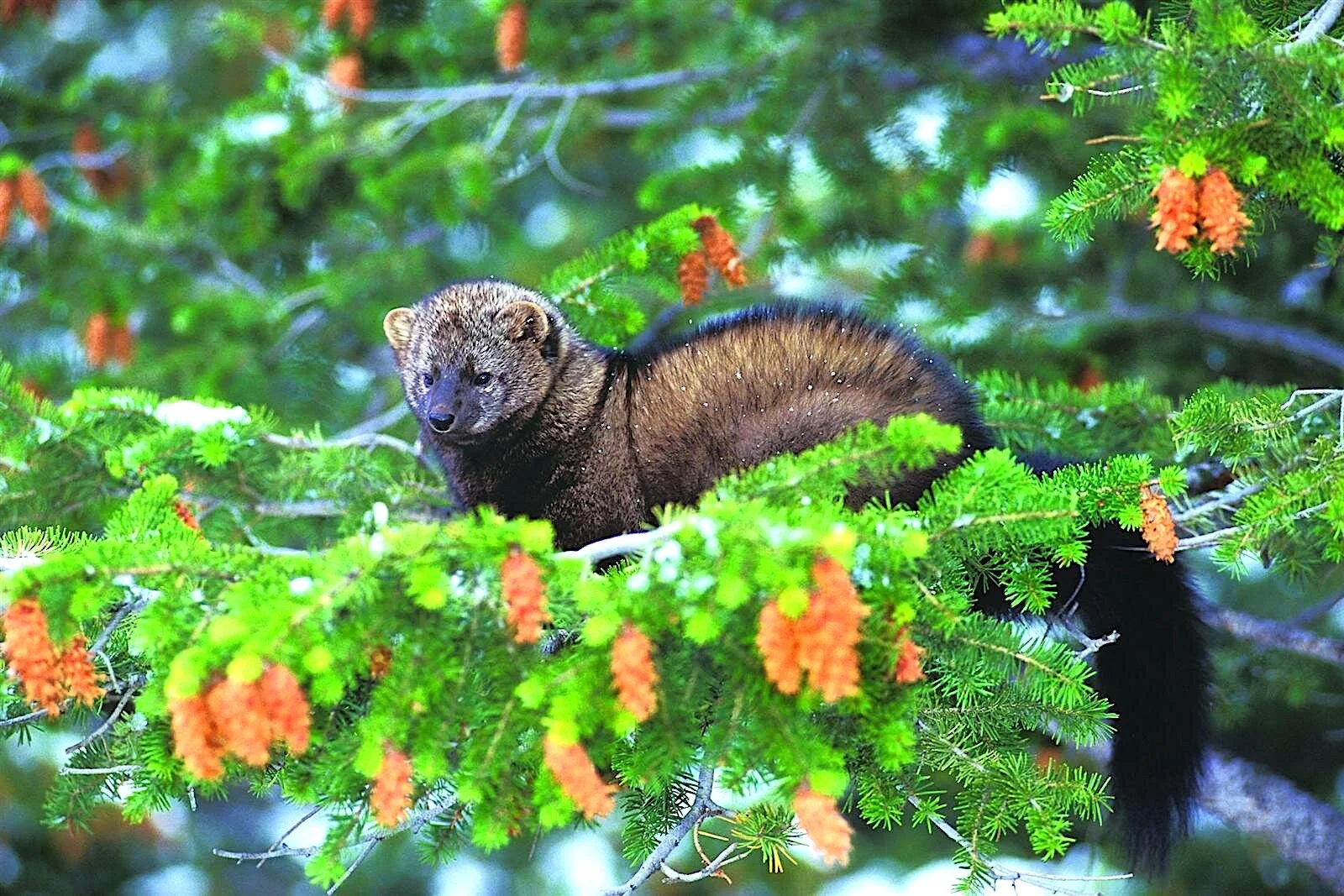
The Proposed Recovering America’s Wildlife Act
Most fish and wildlife funding in the United States goes to game species. However, a third of our wildlife species are imperiled and/or vulnerable, and mostly not because of hunting and fishing

Certified Wood from Federal Forests? Hell No. Make That NFW!
The FSC is back with a new document signaling its continuing quest to certify wood products that come from federal public lands (including units of the National Park System) as being “environmentally sound, socially beneficial, and economically prosperous.” The standards FSC is proposing to apply to federal forestlands are little more than what is required of federal land management agencies now, if that. It’s called greenwashing.