Sort By Category
- 30x30
- Administration
- Antiquities Act
- Book Reviews
- Bureau of Land Management
- Climate Change
- Climate change
- Coasts
- Congress
- Counties & Federal Lands
- Courts
- Courts & Litigation
- Department of Agriculture
- Department of Interior
- Deserts
- Ecological Reserves
- Ecosystems
- Elections
- Endangered Species
- Energy
- Estuaries
- Federal Lands
- Fish
- Fish and Wildlife Service
- Forest
- Forest Fires
- Forest Service
- Forestry
- Forests
- Grasslands
- Land & Water Cons. Fund
- Land & Water Conservation Fund
- Legislation
- Litigation
- Livestock Grazing
- Marine Protected Areas
- Marine Sanctuaries
- Mature & Old-Growth Forests
- Mature and Old-Growth Foresrts
- Mining
- Nat'l Conservation Lands
- National Forest System
- National Marine Sanctuaries
- National Monuments
- National Monuments Act
- National Park Service
- National Park System
- National Parks
- National Recreation Area
- National Scenic Area
Sort By Tag
- 1002 area
- 30x30
- 5th Amendment
- ANWR
- Acadia National Park
- Adam Smith
- Administrative Procedure Act
- Advancing Conservation and Education Act
- Alan Bates
- Alan Deboer
- Alaska
- Alaska National Interest Lands Act
- Alaska Native Claims Settlement Act
- Aldo Leopold
- American Forest Resource Council
- American Prairie Reserve
- American Tree Farm System
- American beef supply
- American black duck
- American woodcock
- Ammon Bundy
- Ancient Forest National Park
- Anders Eskil Carlson
- Andrea Salinas
- Andrew N. Gray
- Andy Kerr
- Animal unit month
- Ansel Adams
- Antiquities Act
- Applegate Primitive Backcountry Area
- Aqua Fria National Monument
- Aquatic Conservation Strategy
- Aquatic Conservation and Riparian Strategy
- Arches National Monument
- Arches National Park
- Arctic National Wildlife Refuge
- Areas of Critical Environmental Concern
- Army Corps of Engineers
- Association of O&C Counties
- Astoria Canyon
- Astoria Fan
- Atlantic Coast
- Augusta Canal NHA
- Avarna Group
- Avi Kaw Ame
- BLM Conservation Rule
- BLM Zone 3 Lands
- BOEM Oregon Planning Area
- Baboquivari Peak Wilderness
- Baker County

National Parks in Oregon, Part 2: Multiple Failures
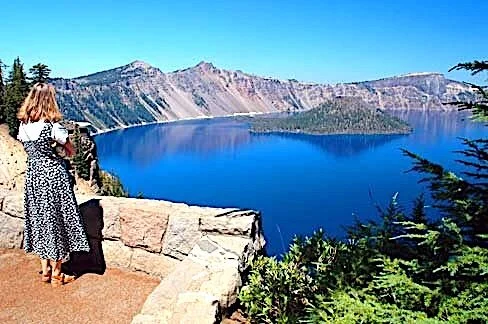
This is the second of four Public Lands Blog posts that examine the topic of national parks in Oregon. Part 1 explored Oregon’s one success in establishing a national park. Part 2 discusses multiple failures to establish additional national parks in the state. Part 3 will examine both successful and failed attempts to expand Crater Lake National Park. Part 4 will look at the potential supply and demand for additional national parks in Oregon and the political challenges and chances.
National Parks in Oregon, Part 1: One Success
This is the first of four Public Lands Blog posts that examine the topic of national parks in Oregon. Part 1 explores Oregon’s one success in establishing a national park. Part 2 discusses multiple failures to establish additional national parks in the state. Part 3 examines both successful and failed attempts to expand Crater Lake National Park. Part 4 looks at the potential supply and demand for additional national parks in Oregon and the political challenges and chances.
Conserving and Restoring the Mount Hood National Forest
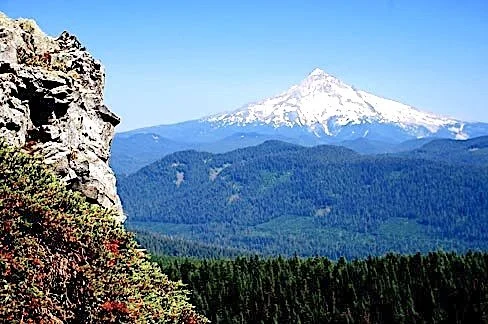
There stood Mount Hood in all the glory of the alpenglow, looming immensely high, beaming with intelligence. It seemed neither near nor far. The whole mountain appeared as one glorious manifestation of divine power, enthusiastic and benevolent, glowing like a countenance with ineffable repose and beauty, before which we could only gaze in lowly admiration. —John Muir (1888)
Another Northwest Forest War in the Offing? Part 2: Current Threats and Perhaps an Epic Opportunity
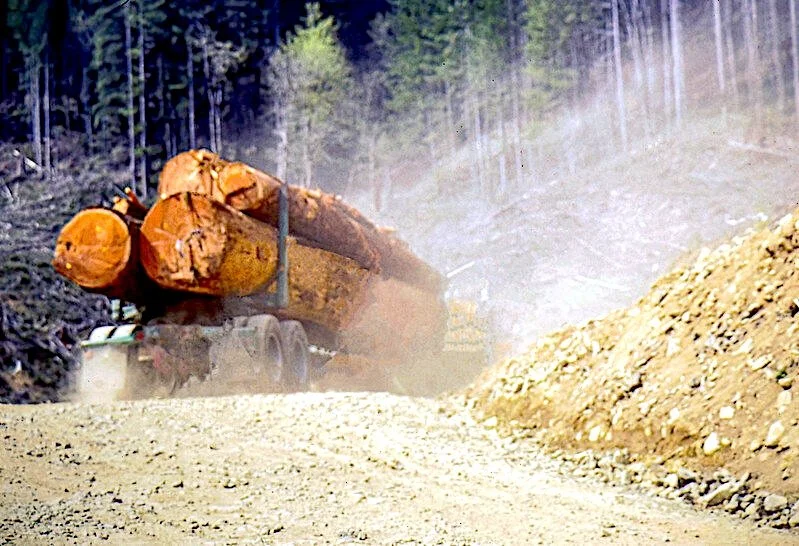
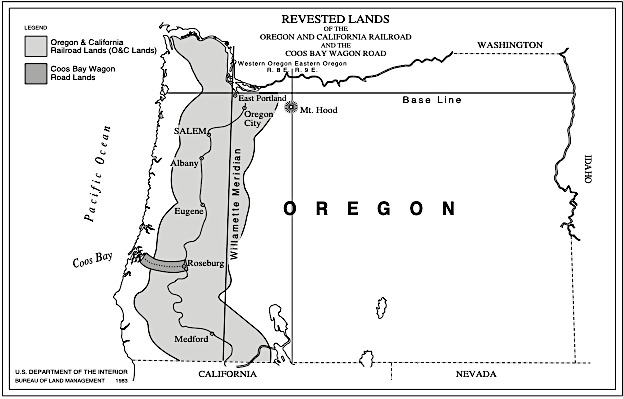
This is the second of two Public Lands Blog posts that examine the management (and mismanagement) of more than 2 million acres of federal forestlands in western Oregon, administered by the Bureau of Land Management. Part 1 examined the history of rampant clear-cutting of old-growth forests and vast windfalls of revenues to local counties as a result. Part 2 examines the current threats to these public lands from the timber industry and local counties, and the opportunity that could present itself to secure permanent comprehensive congressional conservation of these imperiled lands.
Another Northwest Forest War in the Offing? Part 1: A Sordid Tale of Environmental Destruction, Greed, and Political Malfeasance
This is the first of two Public Lands Blog posts that examine the management (and mismanagement) of more than 2 million acres of federal forestlands in western Oregon, administered by the Bureau of Land Management. Part 1 examines the history of rampant clear-cutting of old-growth forests and vast windfalls of revenues to local counties as a result. Part 2 will examine the current threats to these public lands from the timber industry and local counties, and the opportunity that could present itself to secure permanent comprehensive congressional conservation of these imperiled lands.

The Presidency in 2020: To Be Decided by 538 Votes Cast in 51 Elections
We don’t have one national election for president in 2020. Rather we have fifty-one elections (in fifty states and the District of Columbia) that will decide the next president of the United States. Today, we can predict with certainty the total number of votes that will be cast for the presidency: 538.

Bring Back the Elakha
The sea otter should not be confused with other marine mammals found in Oregon, like the northern fur seal, the Steller sea lion, the California sea lion, the northern elephant seal, and the Pacific harbor seal. Nor should it be confused with another marine mammal, the Steller’s sea cow, that once inhabited Oregon but now inhabits nowhere. From its first discovery by Europeans in 1741, it was extinct by 1768 (1768 – 1741 = 27 frigging years).

L’Affaire Malheur, Part 2: Backstory and Analysis
This is the second of a two-part Public Lands Blog post. Part 1 examined the specifics of legislation that is an existential threat to more than four million acres of federal public lands in Oregon’s Malheur County. Part 2 provides backstory and analysis pertaining to the legislation.

L’Affaire Malheur, Part 1: The Proposed Legislation
This is the first of a two-part Public Lands Blog post. Part 1 examines the specifics of legislation that is an existential threat to more than four million acres of federal public lands in Oregon’s Malheur County. Part 2 will provide backstory and analysis pertaining to the legislation.
Pathbreaking Legislation to Conserve the Smith River Watershed
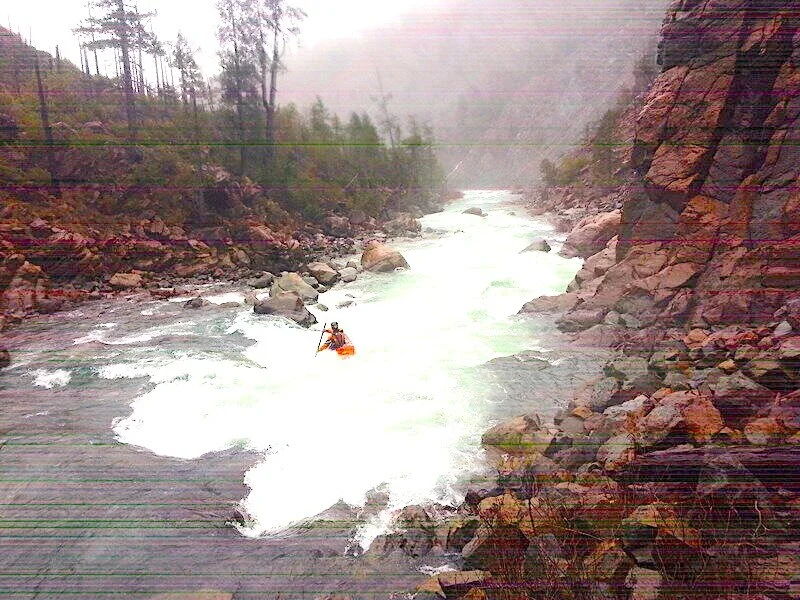
In mid-November, Senator Jeff Merkley (D-OR) introduced in Congress the proposed Smith River National Recreation Area Expansion Act (S.2875), which would expand the Smith River NRA to include all 58,000 acres of the Smith River watershed in Oregon (Map 1). The bill is cosponsored by Senator Ron Wyden (D-OR).

Wild Lands and Waters Best Served by Replacing Greg Walden with Another Republican
Trigger warning: Dyed-in-the-wool Democrats, liberals, leftists, and/or the excessively woke may find this post hazardous to their hopes, dreams, stereotypes, and/or prejudices and may wish to seek refuge in a safe space.
Crowdsourcing New and Expanded Oregon Wild and Scenic Rivers, Part 2: How to Nominate Your Favorite Stream(s)
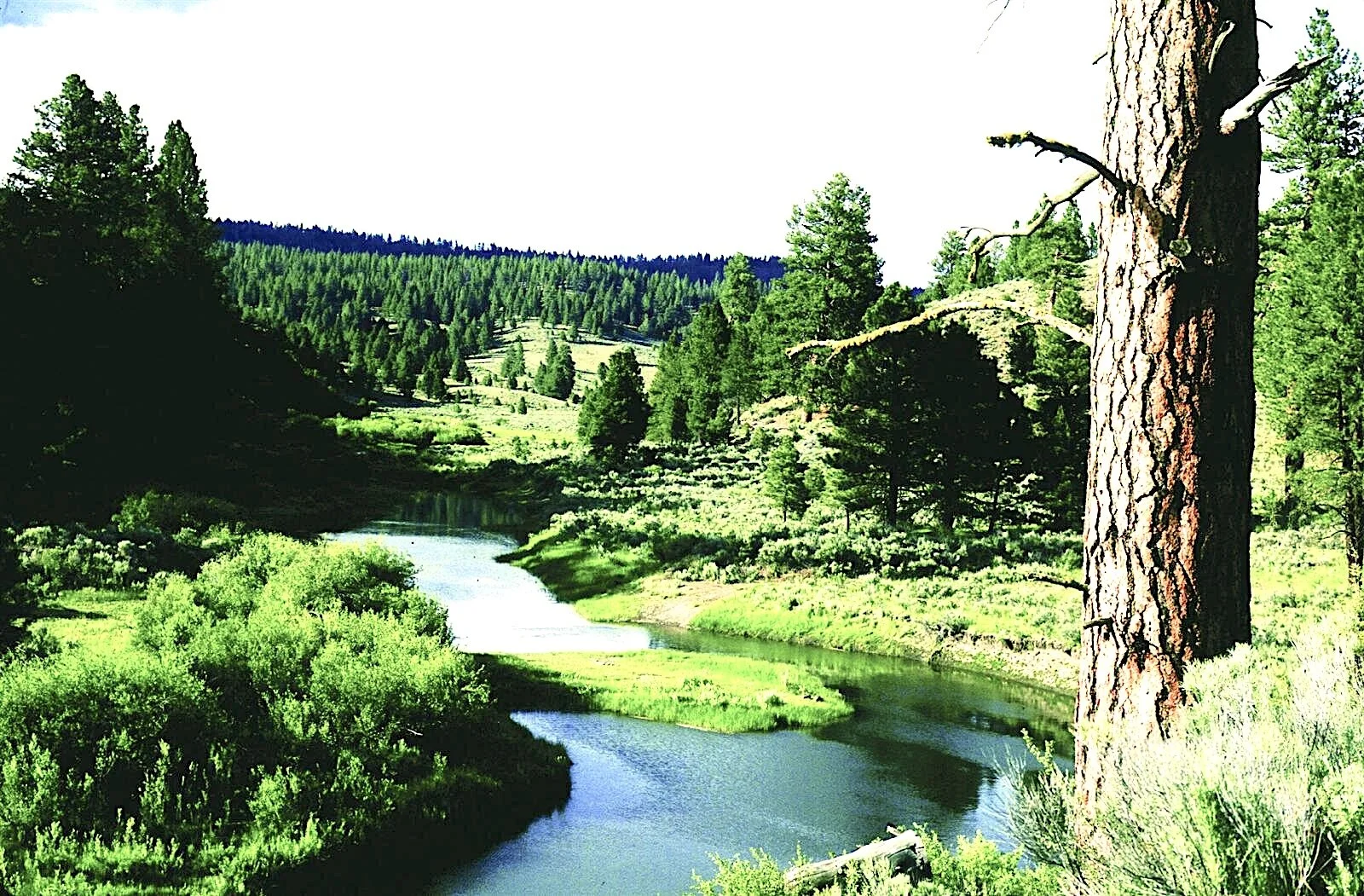
This is the second part of a two-part series on the next wild and scenic rivers bill for Oregon. Part 1 focused on the nuts and bolts of what a wild and scenic river is, while Part 2 helps you nominate your favorite stream(s) for congressional consideration.

Crowdsourcing New and Expanded Oregon Wild and Scenic Rivers, Part 1: An Unprecedented Opportunity
This is the first part in a two-part series on the next wild and scenic rivers bill for Oregon. Part 1 focuses on the nuts and bolts of what a wild and scenic river is, while Part 2 will help you nominate your favorite stream(s) for congressional consideration.

Public Land Conservation Grand Bargains, Part 3: Wrestling with the Devil of Principle and the Angel of Pragmatism
In Part 1, we described a hypothetical national public lands conservation and management omnibus package and posed the question of what position Oregon public lands conservationists should take. In Part 2, we examined some historical Oregon examples in search of guidance. In this Part 3, I wrestle with the devil of principle and the angel of pragmatism and make recommendations as to how public lands conservationists should come down.

Public Land Conservation Grand Bargains, Part 2: Using History as a Guide
This is the second of three Public Lands Blog posts that examine the increasingly difficult political decisions facing Oregon’s public lands conservationists. Part 1 posed a still hypothetical—but prospectively probable—public lands conservation package that contains some great, some good, some bad, and some ugly provisions. Part 2 examines what Oregon public lands conservationists have done in the past when faced with such choices. Part 3 will wrestle with the devil of principle and the angel of pragmatism and make recommendations.
Public Land Conservation Grand Bargains, Part 1: Hard Choices Ahead for Oregon Conservationists
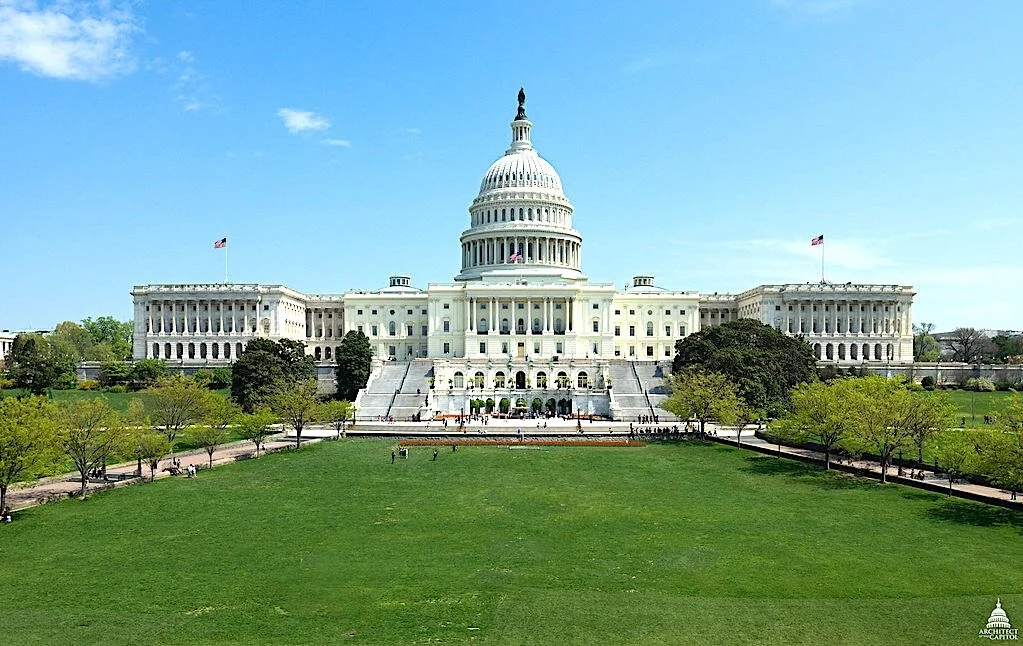
This is the first of three Public Lands Blog posts that examine the increasingly difficult political decisions facing Oregon’s public lands conservationists. Part 1 poses a still hypothetical—but prospectively probable—public lands conservation package that contains some great, some good, some bad, and some ugly provisions. Part 2 will examine what Oregon public lands conservationists have done in the past when faced with such choices. Part 3 will wrestle with the devil of principle and the angel of pragmatism and make recommendations.

A Solomonic Salmonid Solution?
General and President Dwight D. Eisenhower said, “If a problem is unsolvable, enlarge it.” The military genius and Republican president may have first articulated it, but a Republican member of Congress from Idaho is seeking to operationalize this sage advice in regard to Pacific Northwest salmon and electric power.

Speaking Truth to the Fire-Industrial Complex
Total suppression was neverpossible. Large wildfires have always ended either because they ran out of fuel or, most often, because the weather changed. (How many times have I read a newspaper quote from a fire boss or the fire’s public relations flack to the effect: “We had the fire under control, but then the weather changed.”
Smoke Gets in Your Eyes
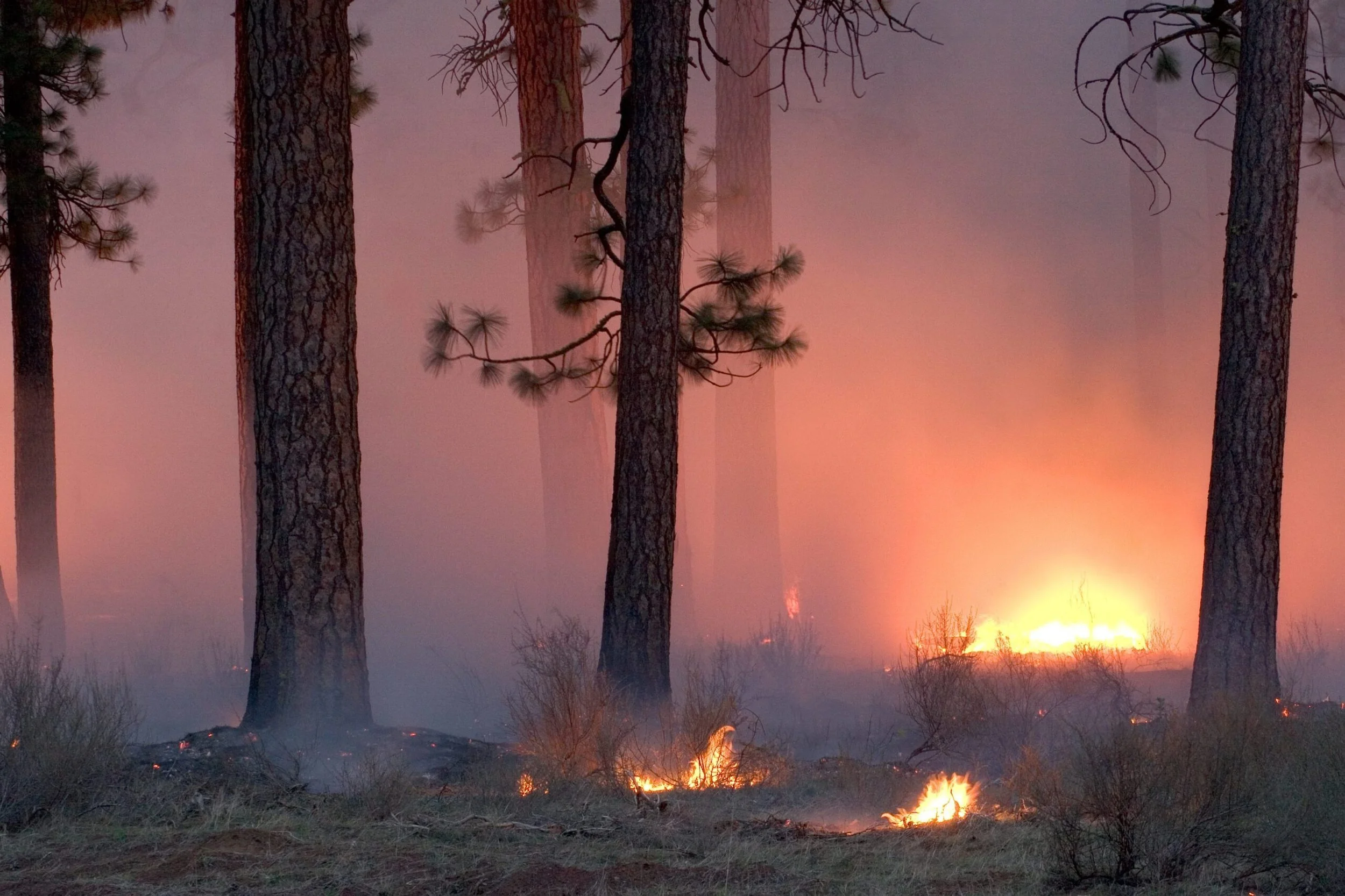
Now I’ve come to realize that the climate catastrophe will not go easy on Oregon. The atmosphere’s revenge will not come mostly in the form of unprecedented floods, torrents, droughts, heat waves, and/or cold snaps. It will come in the form of seasonally debilitating horrible air quality caused by increased combustion of vegetation due to warming temperatures.

Cow-Bombing the World’s Largest Organism
The largest organism on Earth is one quaking aspen clone with more than forty-seven thousand stems (trees). This organism is being cow-bombed and otherwise abused. The cow-bombing, if not stopped, might well eventually result in the demise of the organism. As goes this singularly large quaking aspen clone, so may go the rest of the quakies in the American West.