Sort By Category
- 30x30
- Administration
- Antiquities Act
- Book Reviews
- Bureau of Land Management
- Climate Change
- Climate change
- Coasts
- Congress
- Counties & Federal Lands
- Courts
- Courts & Litigation
- Department of Agriculture
- Department of Interior
- Deserts
- Ecological Reserves
- Ecosystems
- Elections
- Endangered Species
- Energy
- Estuaries
- Federal Lands
- Fish
- Fish and Wildlife Service
- Forest
- Forest Fires
- Forest Service
- Forestry
- Forests
- Grasslands
- Land & Water Cons. Fund
- Land & Water Conservation Fund
- Legislation
- Litigation
- Livestock Grazing
- Marine Protected Areas
- Marine Sanctuaries
- Mature & Old-Growth Forests
- Mature and Old-Growth Foresrts
- Mining
- Nat'l Conservation Lands
- National Forest System
- National Marine Sanctuaries
- National Monuments
- National Monuments Act
- National Park Service
- National Park System
- National Parks
- National Recreation Area
- National Scenic Area
Sort By Tag
- 1002 area
- 30x30
- 5th Amendment
- ANWR
- Acadia National Park
- Adam Smith
- Administrative Procedure Act
- Advancing Conservation and Education Act
- Alan Bates
- Alan Deboer
- Alaska
- Alaska National Interest Lands Act
- Alaska Native Claims Settlement Act
- Aldo Leopold
- American Forest Resource Council
- American Prairie Reserve
- American Tree Farm System
- American beef supply
- American black duck
- American woodcock
- Ammon Bundy
- Ancient Forest National Park
- Anders Eskil Carlson
- Andrea Salinas
- Andrew N. Gray
- Andy Kerr
- Animal unit month
- Ansel Adams
- Antiquities Act
- Applegate Primitive Backcountry Area
- Aqua Fria National Monument
- Aquatic Conservation Strategy
- Aquatic Conservation and Riparian Strategy
- Arches National Monument
- Arches National Park
- Arctic National Wildlife Refuge
- Areas of Critical Environmental Concern
- Army Corps of Engineers
- Association of O&C Counties
- Astoria Canyon
- Astoria Fan
- Atlantic Coast
- Augusta Canal NHA
- Avarna Group
- Avi Kaw Ame
- BLM Conservation Rule
- BLM Zone 3 Lands
- BOEM Oregon Planning Area
- Baboquivari Peak Wilderness
- Baker County
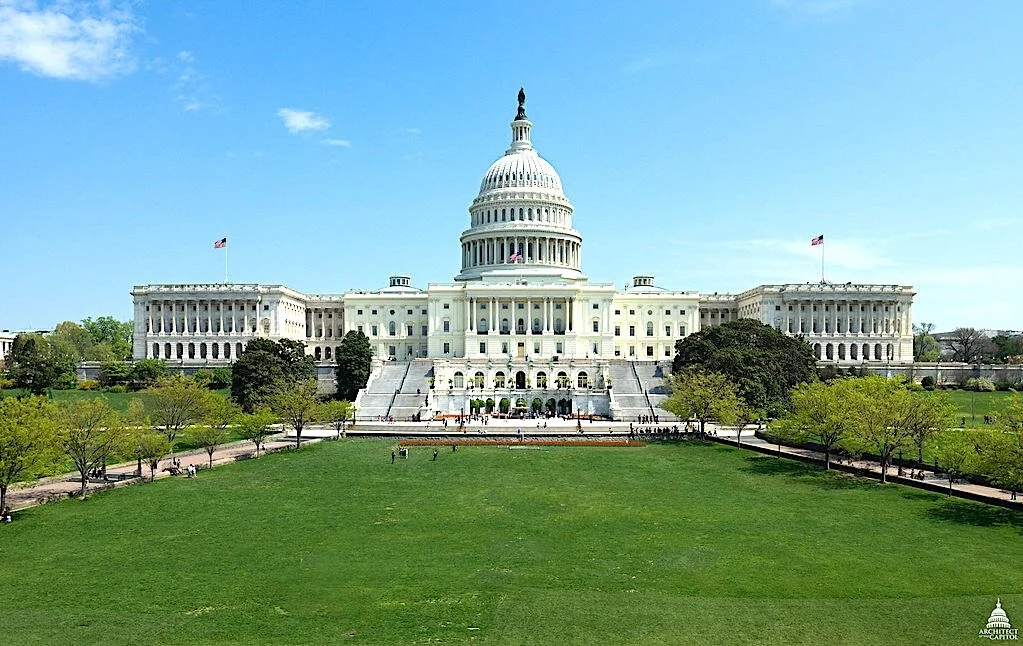
Public Land Conservation Grand Bargains, Part 1: Hard Choices Ahead for Oregon Conservationists
This is the first of three Public Lands Blog posts that examine the increasingly difficult political decisions facing Oregon’s public lands conservationists. Part 1 poses a still hypothetical—but prospectively probable—public lands conservation package that contains some great, some good, some bad, and some ugly provisions. Part 2 will examine what Oregon public lands conservationists have done in the past when faced with such choices. Part 3 will wrestle with the devil of principle and the angel of pragmatism and make recommendations.

A Solomonic Salmonid Solution?
General and President Dwight D. Eisenhower said, “If a problem is unsolvable, enlarge it.” The military genius and Republican president may have first articulated it, but a Republican member of Congress from Idaho is seeking to operationalize this sage advice in regard to Pacific Northwest salmon and electric power.

Speaking Truth to the Fire-Industrial Complex
Total suppression was neverpossible. Large wildfires have always ended either because they ran out of fuel or, most often, because the weather changed. (How many times have I read a newspaper quote from a fire boss or the fire’s public relations flack to the effect: “We had the fire under control, but then the weather changed.”
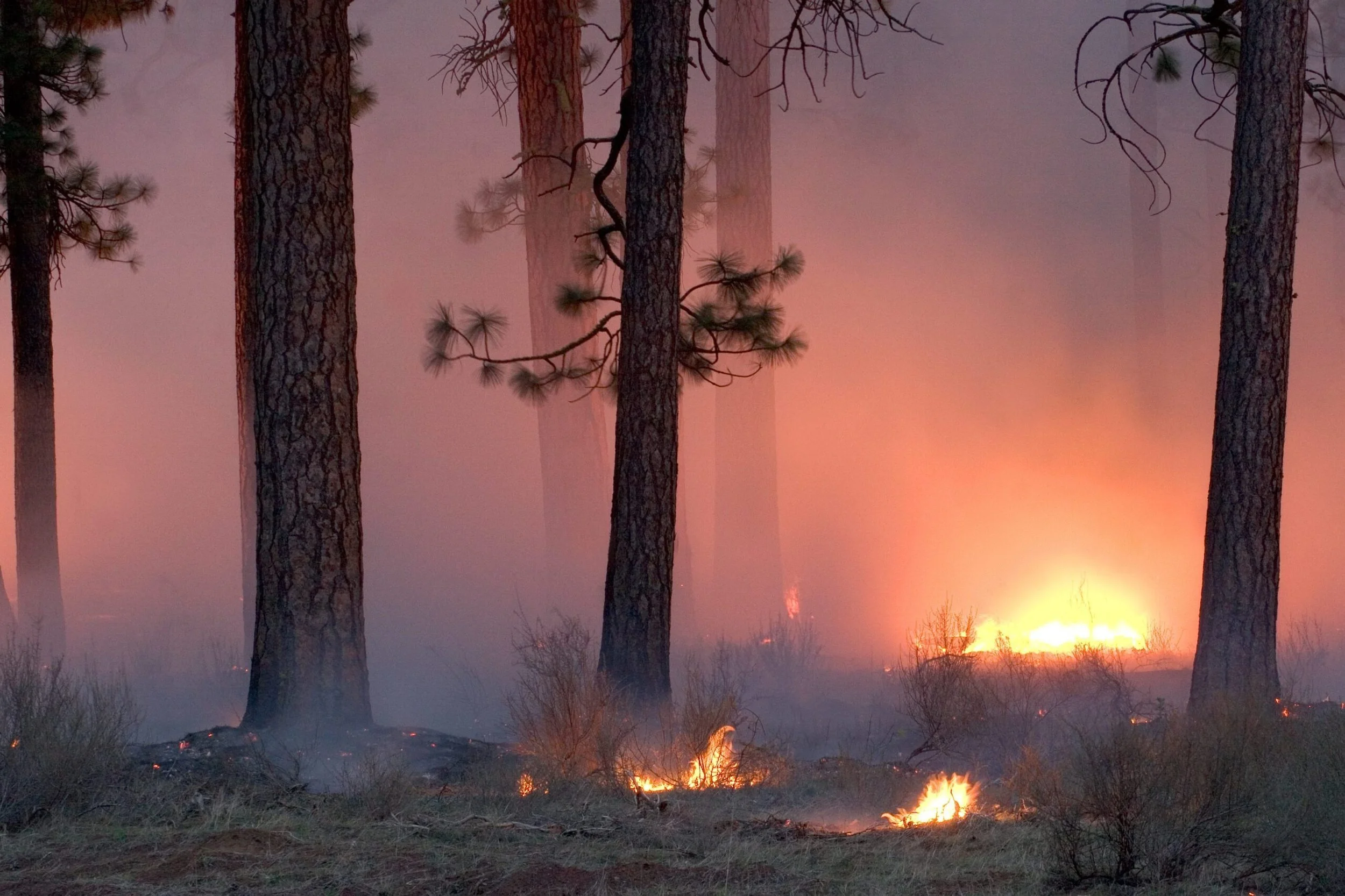
Smoke Gets in Your Eyes
Now I’ve come to realize that the climate catastrophe will not go easy on Oregon. The atmosphere’s revenge will not come mostly in the form of unprecedented floods, torrents, droughts, heat waves, and/or cold snaps. It will come in the form of seasonally debilitating horrible air quality caused by increased combustion of vegetation due to warming temperatures.

Cow-Bombing the World’s Largest Organism
The largest organism on Earth is one quaking aspen clone with more than forty-seven thousand stems (trees). This organism is being cow-bombed and otherwise abused. The cow-bombing, if not stopped, might well eventually result in the demise of the organism. As goes this singularly large quaking aspen clone, so may go the rest of the quakies in the American West.

Book Review: Oregon’s Ancient Forests: A Hiking Guide
While lots of serviceable hiking guides to Oregon’s wild trails exist, this one focuses on old forests. Oregon Wild popularized the term ancient forests ca. 1984, when the organization was known as the Oregon Natural Resources Council (ONRC).

Preremembering Mary Gautreaux, Oregon Conservationist
If not for Mary Gautreaux, many good things would not have happened for Oregon’s public lands. Several wilderness areas and wild and scenic rivers or additions to them would not have happened. Portland’s drinking water sources, the Bull Run and Little Sandy Rivers, would be dirtier.
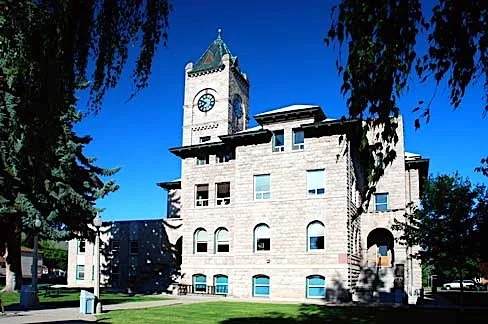
Coordination Schmordination
Given the importance to certain local interests of federal public lands owned by all Americans, local interests (often through their local county governments) have come up with creative legal theories as to why they should have control, or at least more control than others.

Oregon Wild and Scenic Rivers by the Numbers: Versus Other States and Congressional Delegation Rankings
Any well-run business has its key performance indicators (KPIs) to judge the health of the firm beyond its current balance sheet and profit-and-loss statement. Let’s delve into the pertinent KPIs for Oregon’s place in the National Wild and Scenic Rivers System.

Oregon Wilderness by the Numbers: Versus Adjacent States, Congressional Delegation Rankings, and Total Potential Wilderness
Government protection should be thrown around every wild grove and forest on the mountains, as it is around every private orchard, and trees in public parks. To say nothing of their value as fountains of timber, they are worth infinitely more than all the gardens and parks of towns. —John Muir
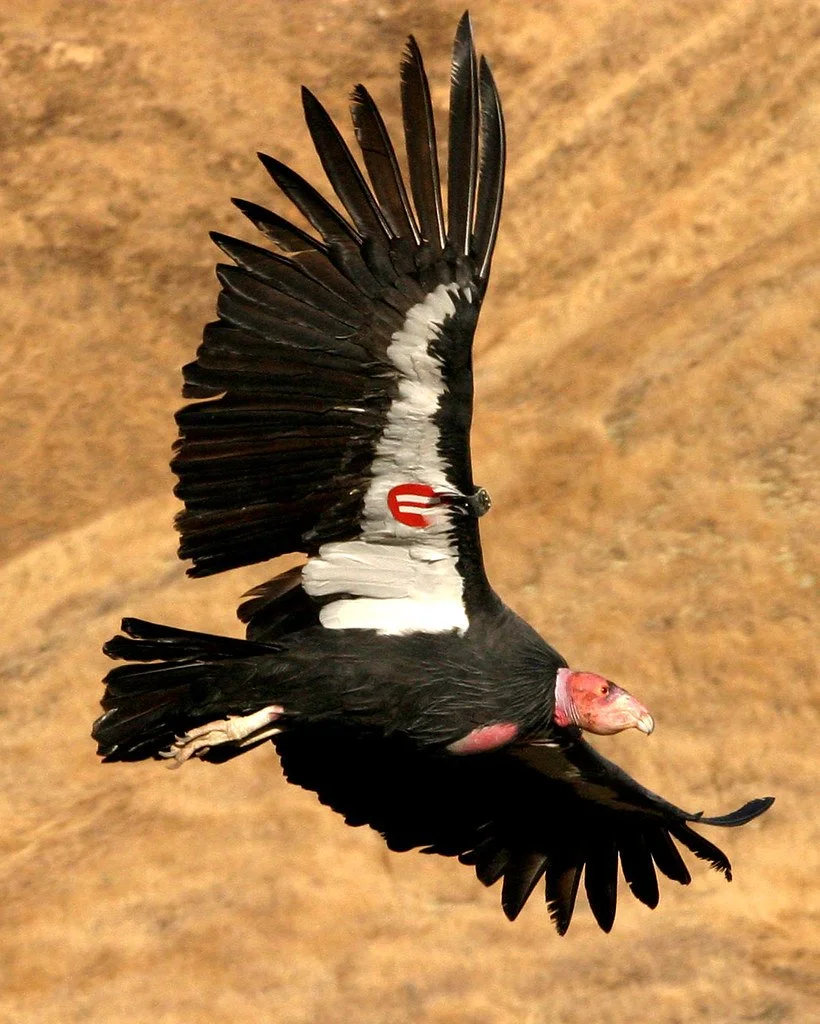
California Condor Comeback in the Pacific Northwest
Very high on my bucket list is to see a California condor in the wild (Figure 1), ideally over Oregon. If my timing is good and the condors cooperate, this could happen.

The Other Anti-Public-Lands Constituency: Left-Wing Extremists
The public lands conservation community has long been wary of the existential threat to the nation’s public lands posed by a fringe group of right-wing crazies who seek to privatize public lands (perhaps via a brief period of state or county ownership).

Certified Wood from National Forests? No. Make That Hell No!
An effort is presently afoot in one forest certification organization (and it will be followed by others) to certify federal public forestlands within the National Forest System. To date, forest certification has centered on privately owned lands or some state-owned “public” lands. Certifying federal public forestlands is a foolish idea that should be abandoned at once.
The Oregon Wildlands Act 2.0
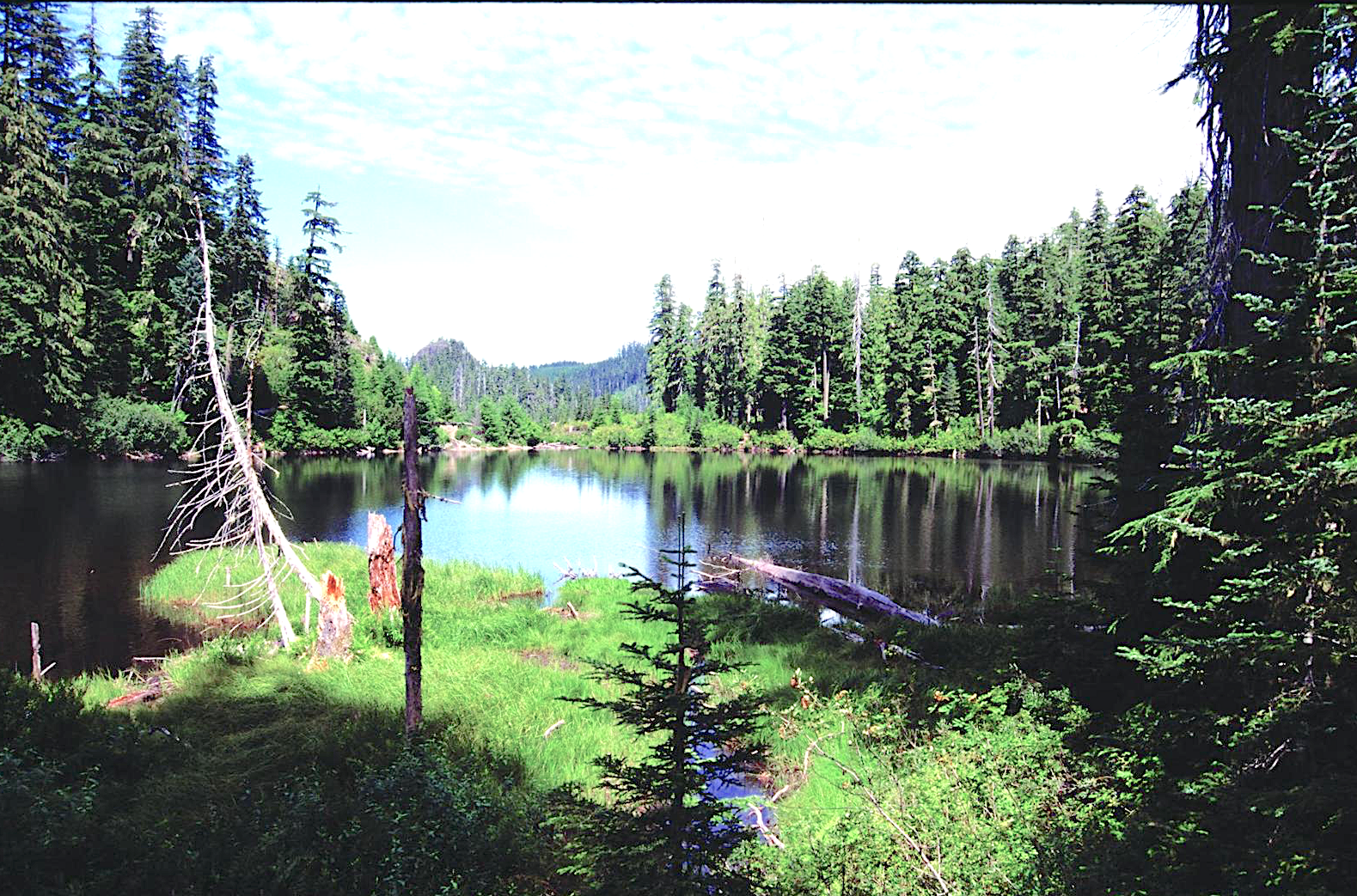
Representatives of many Oregon outdoor recreation industry heavyweights, including but not limited to Columbia Sportswear, the Conservation Alliance, Travel Oregon, and Keen Footwear, testified to the business sense of conserving more of the many treasures found on Oregon’s federal public lands. Many conservationists traveled from afar to make the case for protecting their most cherished Oregon gems for the benefit of this and future generations.

The Hard Case of Hardrock Mining Reform (Part 2): Conservation Areas in Which to Just Say No
This two-part series examines legislation in Congress that would reform the infamous Mining Law of 1872. Part 1 focused on how mining on public lands should be administered in the twenty-first century. Part 2 focuses on pending legislation the conservation areas in which mining should be permanently banned.

The Hard Case of Hardrock Mining Reform (Part 1): Where Done, If It Cannot Be Done Right, Then Do It the Least Wrong
This two-part series examines legislation in Congress that would reform the infamous Mining Law of 1872. Part 1 focuses on how mining on public lands should be administered in the twenty-first century. Part 2 will focus on the pending legislation and conservation areas in which mining should be permanently banned.
Point Reyes National Feedlot
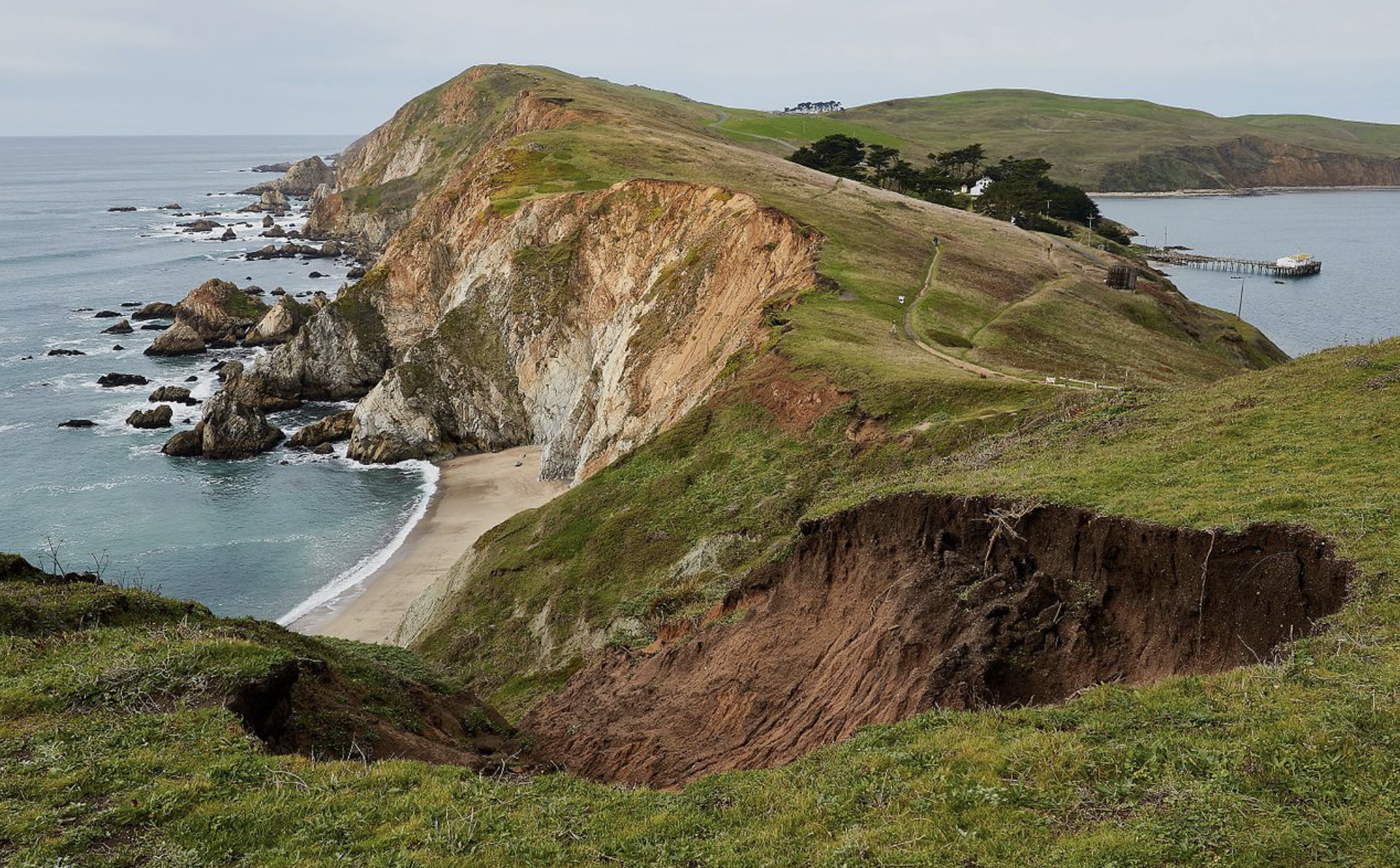
Congress authorized the establishment of Point Reyes National Seashore (PRNS) in Marin County, California. At the time, the acute threat was sprawling subdivisions, while the chronic threat to public recreation, benefit, and inspiration was industrial dairies and the grazing of beef and dairy cattle. It still is.
Booklet Review: Debunking Creation Myths About America’s Public Lands
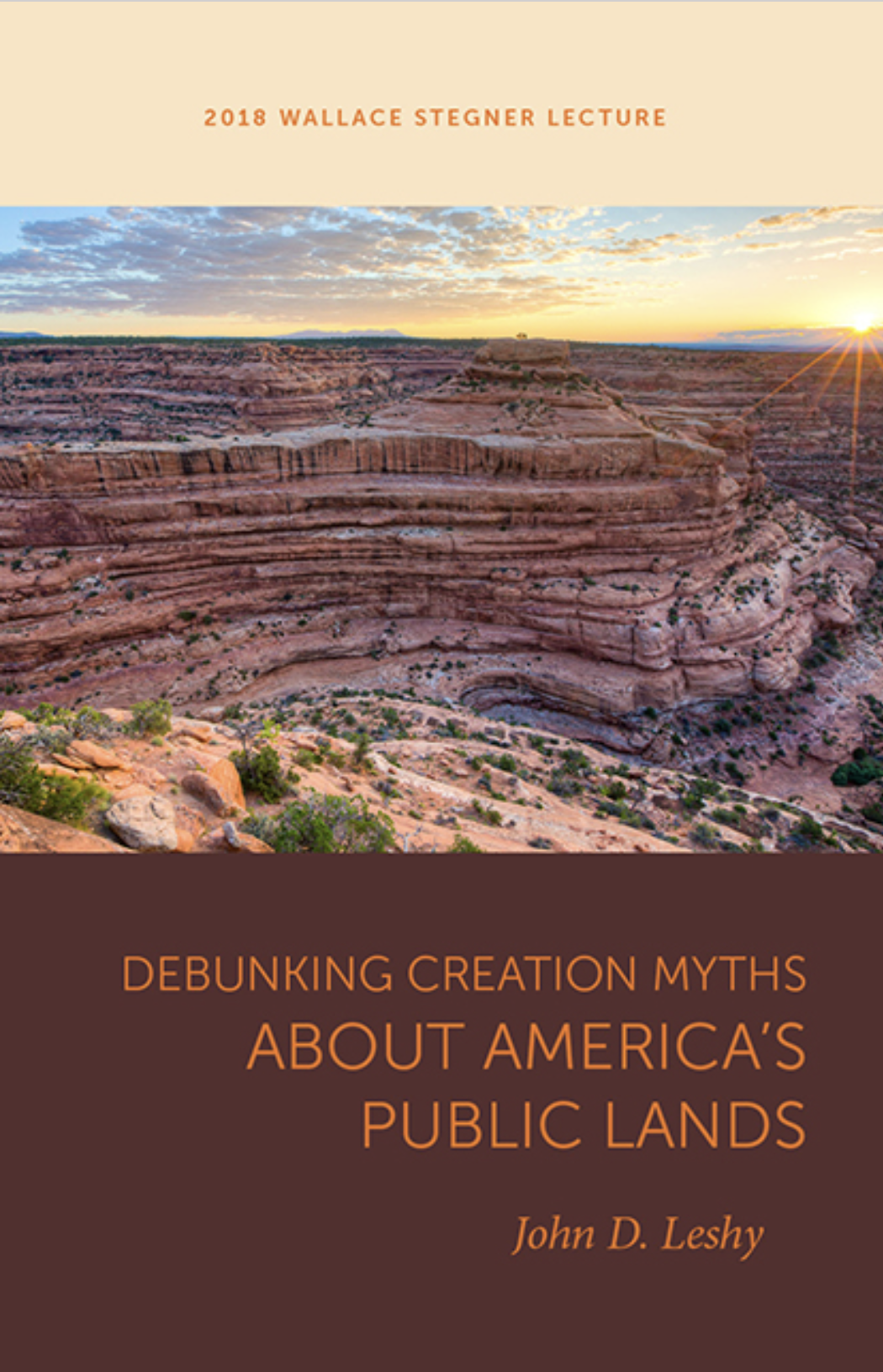
America’s public lands are often in need of a good lawyer, and they have one in John Leshy. He has served America’s public lands (and its owners) as an academic, author, and advocate. In his long career, he’s published legal textbooks, written briefs, argued cases, and taught law students, and he was the top lawyer in the U.S. Department of the Interior for almost as long as Bruce Babbitt was secretary of the interior.
Showdown for the Oregon Wildlands Act
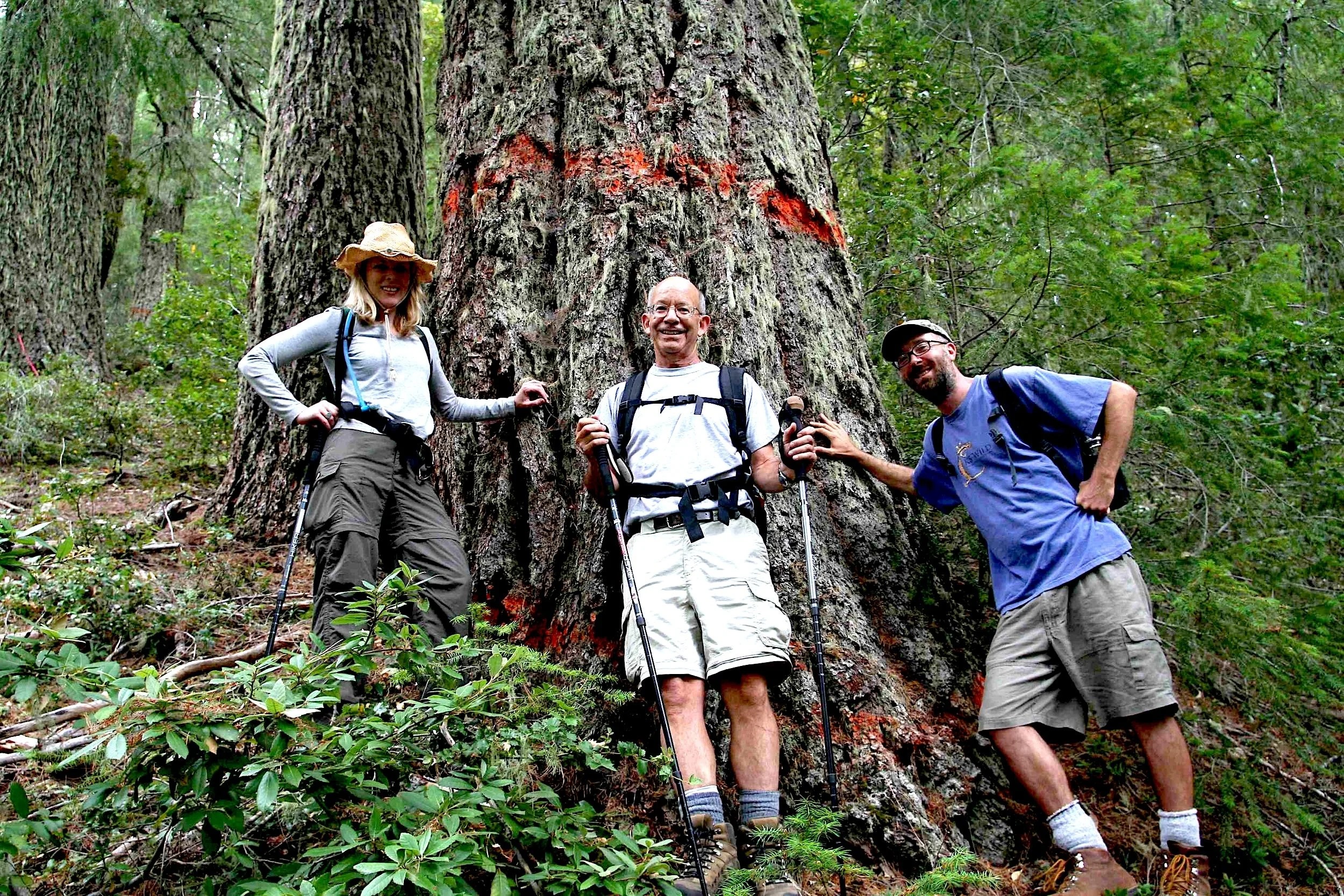
The Oregon Wildlands Act is now the law of the land. Neither the Rogue Canyon National Recreation Area (98,150 acres), nor the Molalla National Recreation Area (~29,884 acres), as well as the Wild Rogue Wilderness Additions (~59,512) acres was included in the final version signed by President Trump.
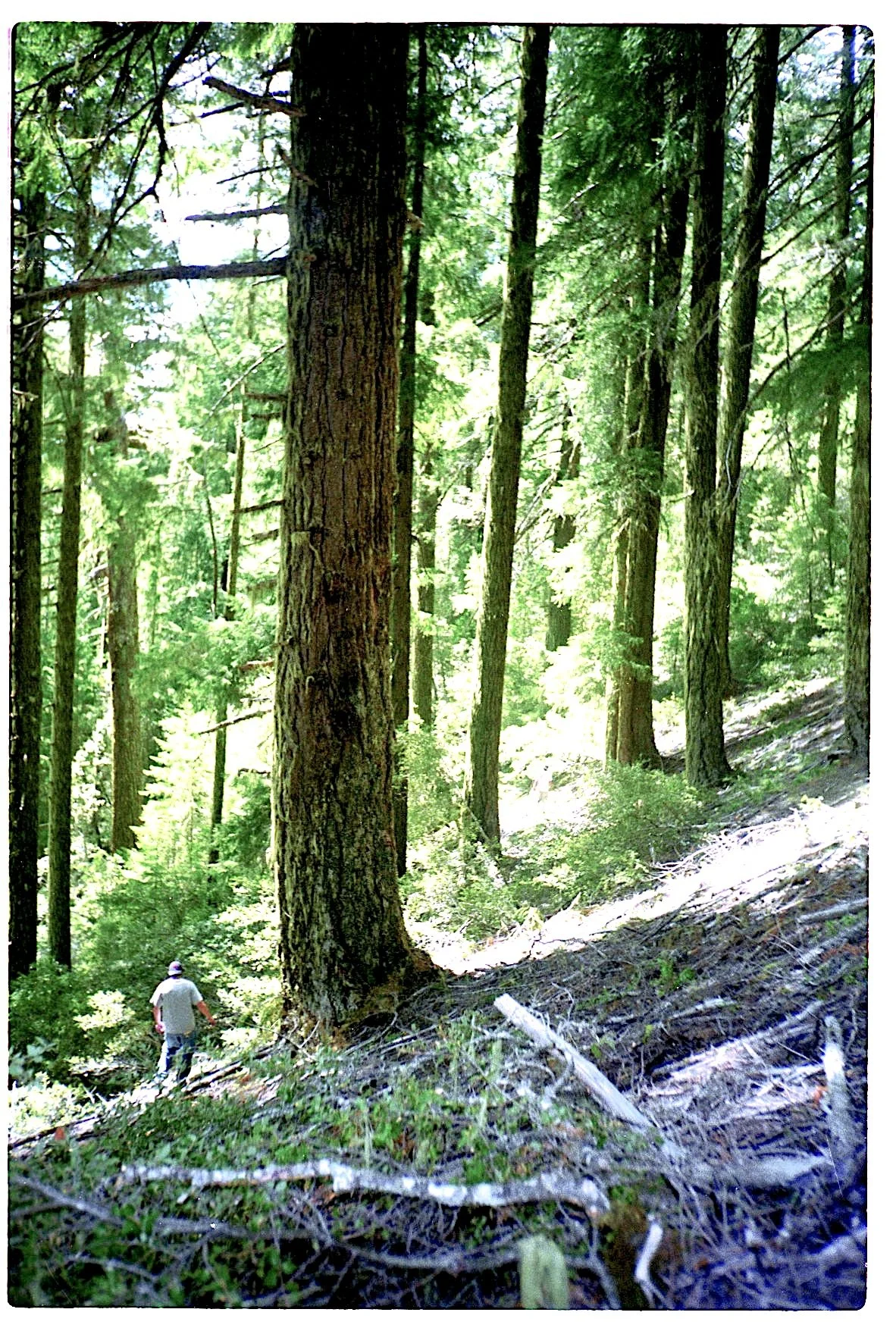
Wither the Wild Rogue?
Late in December 2018, during the lame-duck session of the 115th Congress, a deal was almost struck to move an omnibus public lands package of legislation. The package compiled specific bills that were legislatively ready to advance. Some of the bills in the package were quite good, others quite bad.