Sort By Category
- 30x30
- Administration
- Antiquities Act
- Book Reviews
- Bureau of Land Management
- Climate Change
- Coasts
- Congress
- Counties & Federal Lands
- Courts
- Courts & Litigation
- Department of Agriculture
- Department of Interior
- Deserts
- Ecological Reserves
- Ecosystems
- Elections
- Endangered Species
- Energy
- Estuaries
- Federal Lands
- Fish
- Fish and Wildlife Service
- Forest
- Forest Service
- Forestry
- Forests
- Grasslands
- Land & Water Cons. Fund
- Land & Water Conservation Fund
- Legislation
- Litigation
- Livestock Grazing
- Marine National Monuments
- Marine Protected Areas
- Marine Sanctuaries
- Mature and Old-Growth Forest
- Mining
- Nat'l Conservation Lands
- National Forest System
- National Marine Sanctuaries
- National Monuments
- National Monuments Act
- National Park Service
- National Park System
- National Parks
- National Recreation Area
- National Scenic Area
- National Trails System
- National Wildlife Refuges
Sort By Tag
- 1002 area
- 30x30
- 5th Amendment
- ANWR
- Acadia National Park
- Adam Smith
- Administrative Procedure Act
- Advancing Conservation and Education Act
- Alan Bates
- Alan Deboer
- Alaska
- Alaska National Interest Lands Act
- Alaska Native Claims Settlement Act
- Aldo Leopold
- American Forest Resource Council
- American Prairie Reserve
- American Tree Farm System
- American beef supply
- American black duck
- American woodcock
- Ammon Bundy
- Ancient Forest National Park
- Anders Eskil Carlson
- Andrea Salinas
- Andrew N. Gray
- Andy Kerr
- Animal unit month
- Ansel Adams
- Antiquities Act
- Applegate Primitive Backcountry Area
- Aqua Fria National Monument
- Aquatic Conservation Strategy
- Aquatic Conservation and Riparian Strategy
- Arches National Monument
- Arches National Park
- Arctic National Wildlife Refuge
- Areas of Critical Environmental Concern
- Army Corps of Engineers
- Association of O&C Counties
- Astoria Canyon
- Astoria Fan
- Atlantic Coast
- Augusta Canal NHA
- Avarna Group
- Avi Kaw Ame
- BLM Conservation Rule
- BLM Zone 3 Lands
- BOEM Oregon Planning Area
- Baboquivari Peak Wilderness
- Baker County
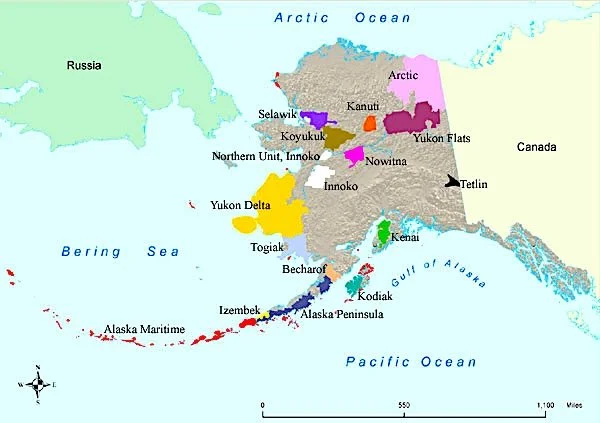
Zinke’s Move to Defile the Izembek
The protracted battle for the Izembek is now before a US District Court judge. At stake is whether the designations of national wildlife refuge and wilderness actually mean anything, at least in Alaska and/or under a Trump administration.
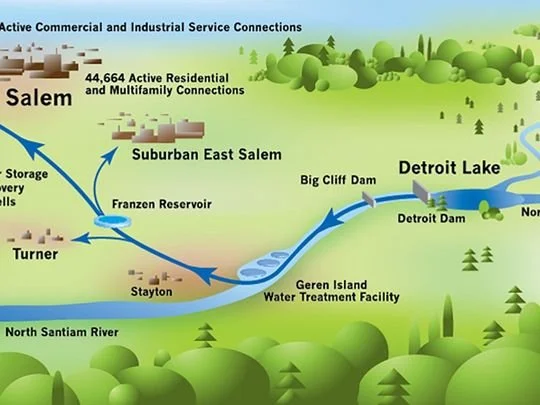
Lessons from Salem: Protecting Local Drinking Water Supplies
As of the end of June this year, four health advisory alerts had been issued this summer for Detroit “Lake” (it is actually an impounded river more accurately called a reservoir) on the North Santiam River.

The National Wild and Scenic Rivers System, Part 2: Rounding It Out and Cleaning It Up (For Oregon, If Not Elsewhere)
This is the second part of a two-part examination of the National Wild and Scenic Rivers System. In Part 2, we examine the possibilities of protecting additional wild and scenic rivers with a focus on Oregon, and closing a notorious mining loophole in the original act.

The National Wild and Scenic Rivers System, Part 1: A Vital National Conservation Purpose
This is the first part of a two-part examination of the National Wild and Scenic Rivers System. In Part 1, we examine the history of the Wild and Scenic Rivers Act of 1968, the size of the system and how it works, and the outsized role Oregon has played in the development of the system.

Trump Pardons Abusers—Of Public Lands, Public Officials, and a Child
Today, President Donald J. Trump signed Executive Grants of Clemency (Full Pardons) for Dwight Lincoln Hammond, Jr., and his son, Steven Hammond. The Hammonds are multi-generation cattle ranchers in Oregon imprisoned in connection with a fire that leaked onto a small portion of neighboring public grazing land. The evidence at trial regarding the Hammonds’ responsibility for the fire was conflicting, and the jury acquitted them on most of the charges.

Leave It to Beavers: Good for the Climate, Ecosystems, Watersheds, Ratepayers, and Taxpayers (Part 2)
This is the second part of a two-part series. Part 2 examines the economics of using beavers to both mitigate and adapt to climate change.

Leave It to Beavers: Good for the Climate, Ecosystems, Watersheds, Ratepayers, and Taxpayers (Part 1)
This is the first part of a two-part series. Part 1 examines the ecosystem and watershed benefits of beavers. Part 2 will examine the economics of using beavers to both mitigate and adapt to climate change.

Burning Wood to Make Electricity: Bad for Forests, the Climate, Ratepayers, and Taxpayers
Real standing forests are vital to the conservation and restoration of biological diversity and watershed integrity (not to mention re-creational reconnection to nature). They are also “the only proven system that can remove and store vast amounts of carbon dioxide from the atmosphere at the scale necessary to keep global temperature rise below 1.5 degrees Celsius this century,” says the Dogwood Alliance in their excellent call to arms

The National Wilderness Preservation System, Part 3: The Promise of and a Promise to Wilderness
This is the third installment of a three-part series on the National Wilderness Preservation System. Part 3 demands a rededication to wilderness for the benefit of this and future generations.
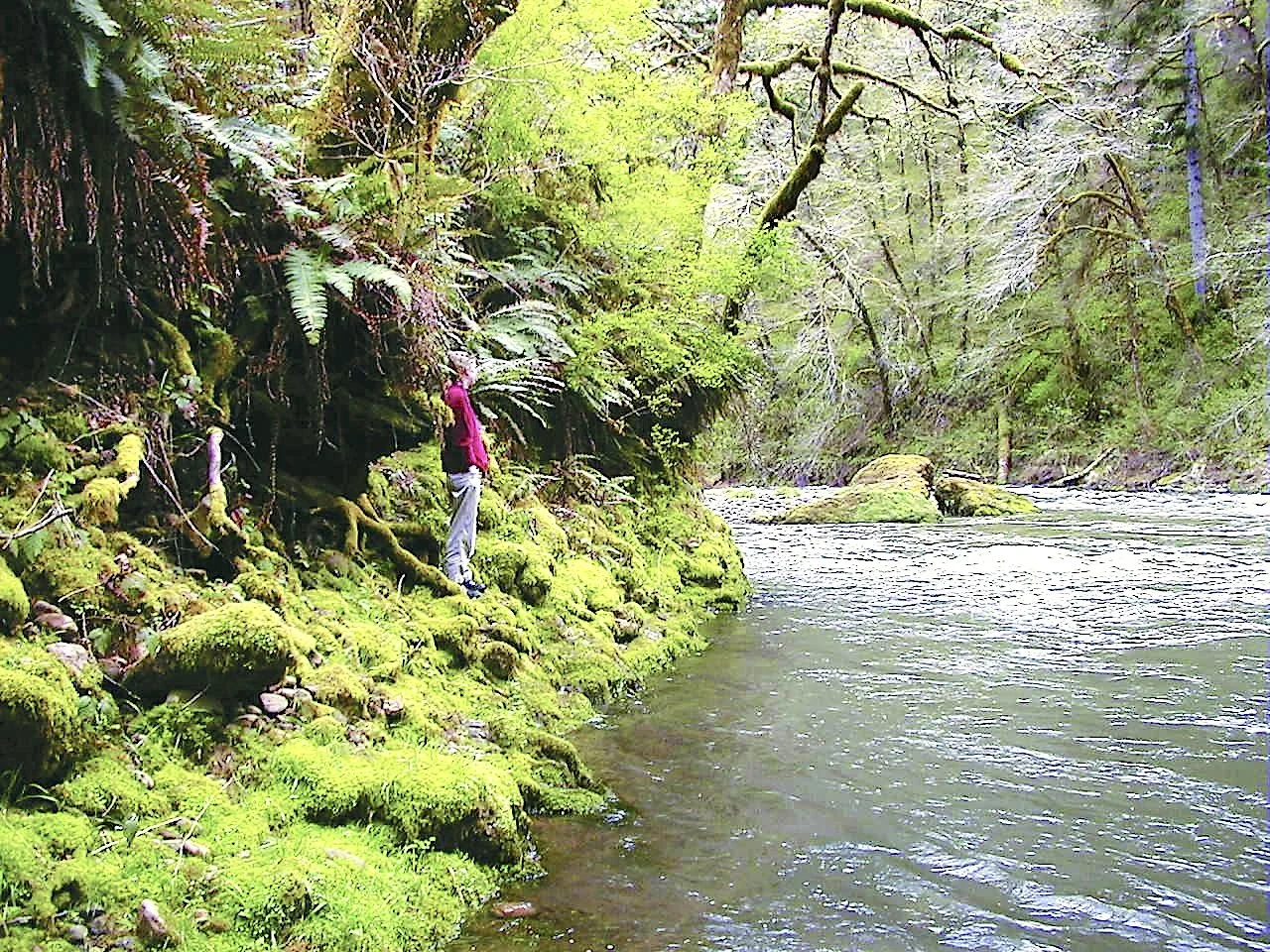
The National Wilderness Preservation System, Part 2: Past Progress Stalled
This is the second installment of a three-part series on the National Wilderness Preservation System. Part 2 chronicles past great progress and the current great stagnation.
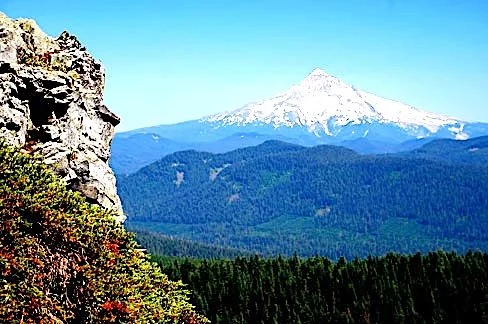
The National Wilderness Preservation System, Part 1: Birthed by Congress in Language Both Poetical and Practical
This is the first installment of a three-part series on the National Wilderness Preservation System. Part 1 examines the beginnings of the system by enactment into law of the Wilderness Act of 1964. Part 2 will chronicle past great progress and the current great stagnation. Part 3 will demand a rededication to wilderness for the benefit of this and future generations.
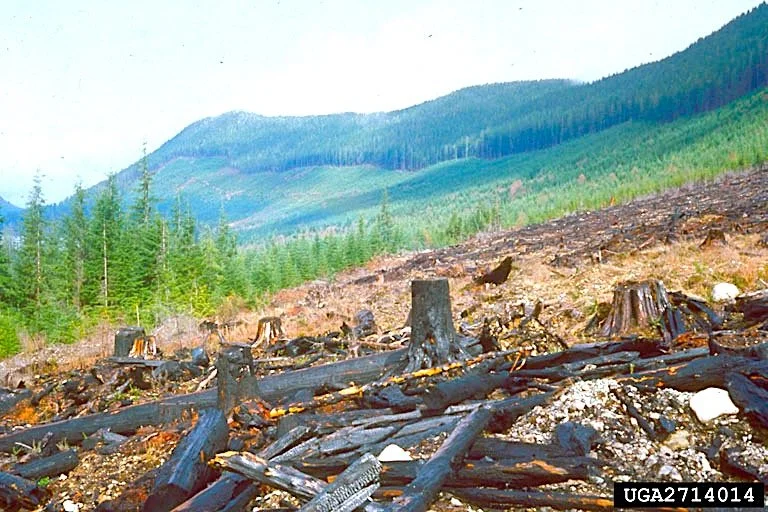
Book Review: Moving Forestry from Agronomic Toward Ecological
The authors of Ecological Forest Managementhave thrown down the gauntlet. The battle between traditional production forestry (PF) and ecological forest management (EFM) for the hearts and minds of forestry students everywhere, for the profession of forestry itself, and for the acceptance of the public has been joined.

Humans Have Become an Indoor Species
“The average American spends 95 percent of their life indoors,” says the REI report, with an endnote documenting the source of this sobering fact. I did the math: 8.4 hours outside per week, 1.2 hours outside per day. For kids it’s even less.

Rural Versus Urban Oregon, Part 2: More Urban Every Decade
This is the second part of a two-part examination of what “rural” really means in Oregon and how statistically insignificant (and in all likelihood to become more so) the rural population is today.

Rural Versus Urban Oregon, Part 1: It’s Not Black and White
This is the first part of a two-part examination of what “rural” really means in Oregon and how statistically insignificant (and in all likelihood to become more so) the rural population is today. In Part 1 we examine how much of Oregon is truly rural.

A Sixth Congressional District for Oregon?
No one will know for sure until the completion of the constitutionally mandated decennial census in 2020. Politically, a sixth member of Congress from Oregon could be better for Oregon’s environment. (Actually, the best thing for Oregon’s environment would be losing enough population to lose some congressional seats—but that won’t happen.)

The Public’s Wolves on Public Lands
The government that would become Oregon got its start in 1843 when some early European invaders met in the mid–Willamette Valley to discuss predatory wildlife attacking livestock. A result was the first bounty on wolves.
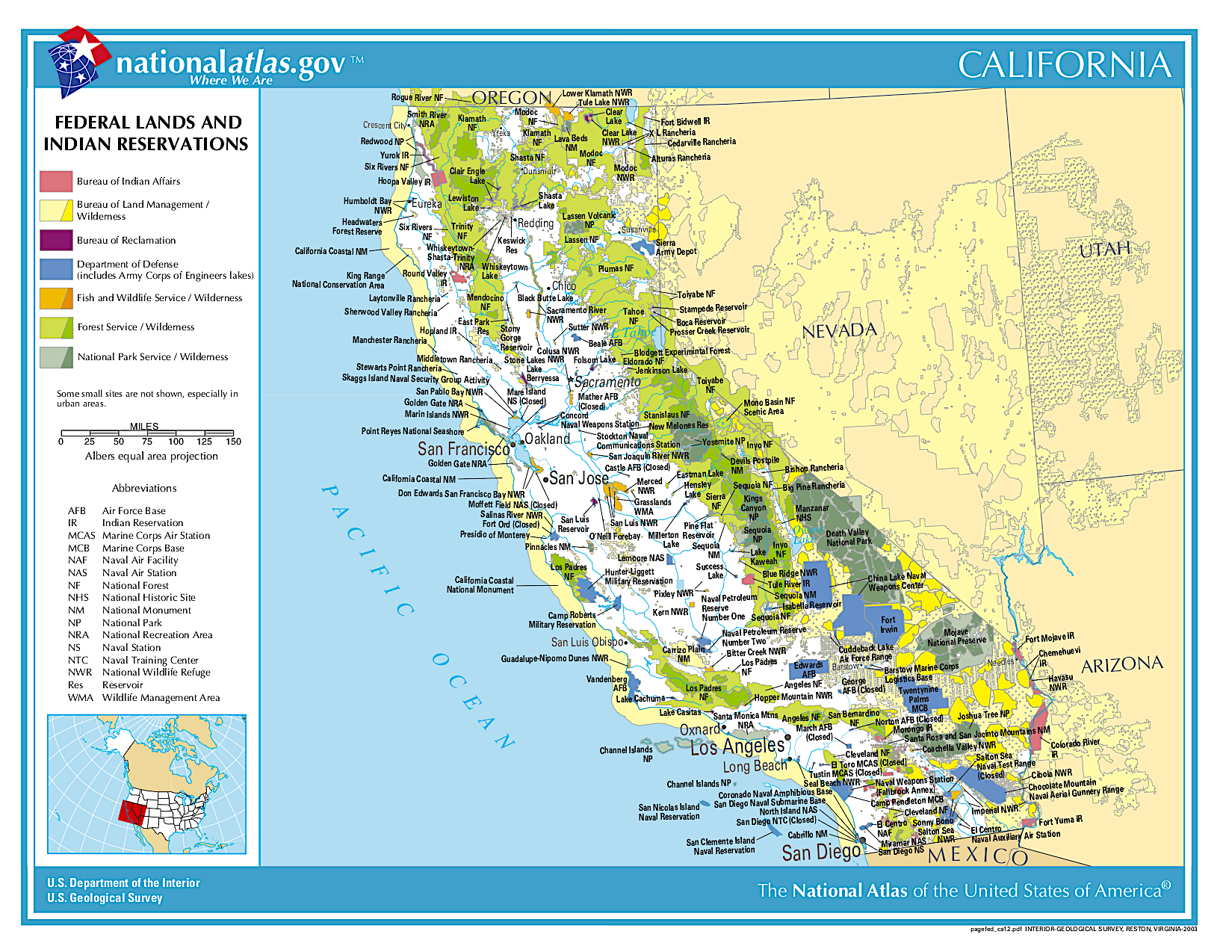
The United States of America versus the State of California
The founding fathers, in drafting and approving the United States Constitution, recognized the dual sovereignty of the individual states of and the United States of America. The federal constitution granted and reserved certain powers to the federal government and certain powers to state governments, and it prohibited each from having certain powers. Tensions between the powers of the states and the federal government are built-in, and conflicts are often resolved using the courts, in particular the federal courts.


State Wildlife Management Agencies in Crisis
As state fish and wildlife agencies get shorted for funds, the bureaucratic tendency is often to double down on the traditional support base of hunters and anglers. However, for a multitude of cultural, social, economic, demographic, and other reasons, doubling down on a declining user base will not likely be an effective long-term strategy.