Sort By Category
- 30x30
- Administration
- Antiquities Act
- Book Reviews
- Bureau of Land Management
- Climate Change
- Climate change
- Coasts
- Congress
- Counties & Federal Lands
- Courts
- Courts & Litigation
- Department of Agriculture
- Department of Interior
- Deserts
- Ecological Reserves
- Ecosystems
- Elections
- Endangered Species
- Energy
- Estuaries
- Federal Lands
- Fish
- Fish and Wildlife Service
- Forest
- Forest Fires
- Forest Service
- Forestry
- Forests
- Grasslands
- Land & Water Cons. Fund
- Land & Water Conservation Fund
- Legislation
- Litigation
- Livestock Grazing
- Marine Protected Areas
- Marine Sanctuaries
- Mature & Old-Growth Forests
- Mature and Old-Growth Foresrts
- Mining
- Nat'l Conservation Lands
- National Forest System
- National Marine Sanctuaries
- National Monuments
- National Monuments Act
- National Park Service
- National Park System
- National Parks
- National Recreation Area
- National Scenic Area
Sort By Tag
- 1002 area
- 30x30
- 5th Amendment
- ANWR
- Acadia National Park
- Adam Smith
- Administrative Procedure Act
- Advancing Conservation and Education Act
- Alan Bates
- Alan Deboer
- Alaska
- Alaska National Interest Lands Act
- Alaska Native Claims Settlement Act
- Aldo Leopold
- American Forest Resource Council
- American Prairie Reserve
- American Tree Farm System
- American beef supply
- American black duck
- American woodcock
- Ammon Bundy
- Ancient Forest National Park
- Anders Eskil Carlson
- Andrea Salinas
- Andrew N. Gray
- Andy Kerr
- Animal unit month
- Ansel Adams
- Antiquities Act
- Applegate Primitive Backcountry Area
- Aqua Fria National Monument
- Aquatic Conservation Strategy
- Aquatic Conservation and Riparian Strategy
- Arches National Monument
- Arches National Park
- Arctic National Wildlife Refuge
- Areas of Critical Environmental Concern
- Army Corps of Engineers
- Association of O&C Counties
- Astoria Canyon
- Astoria Fan
- Atlantic Coast
- Augusta Canal NHA
- Avarna Group
- Avi Kaw Ame
- BLM Conservation Rule
- BLM Zone 3 Lands
- BOEM Oregon Planning Area
- Baboquivari Peak Wilderness
- Baker County
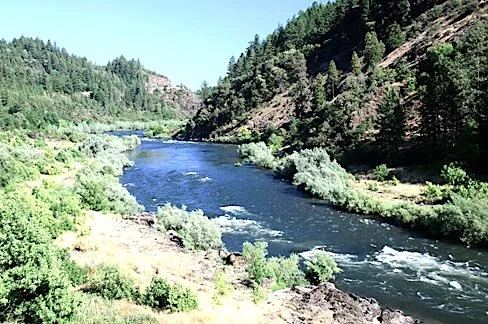
Dancing on the Dark Side: Wyden Guts His Own National Recreation Area System Bill
Of the 15 listed Public Lands Enemies, the top three hail from Utah and the state’s congressional delegation occupies fully one-third of the ignoble list. The only member of the state’s delegation not to be on the top 15 public lands enemies is Rep. Mia Love (D-4th-UT.)
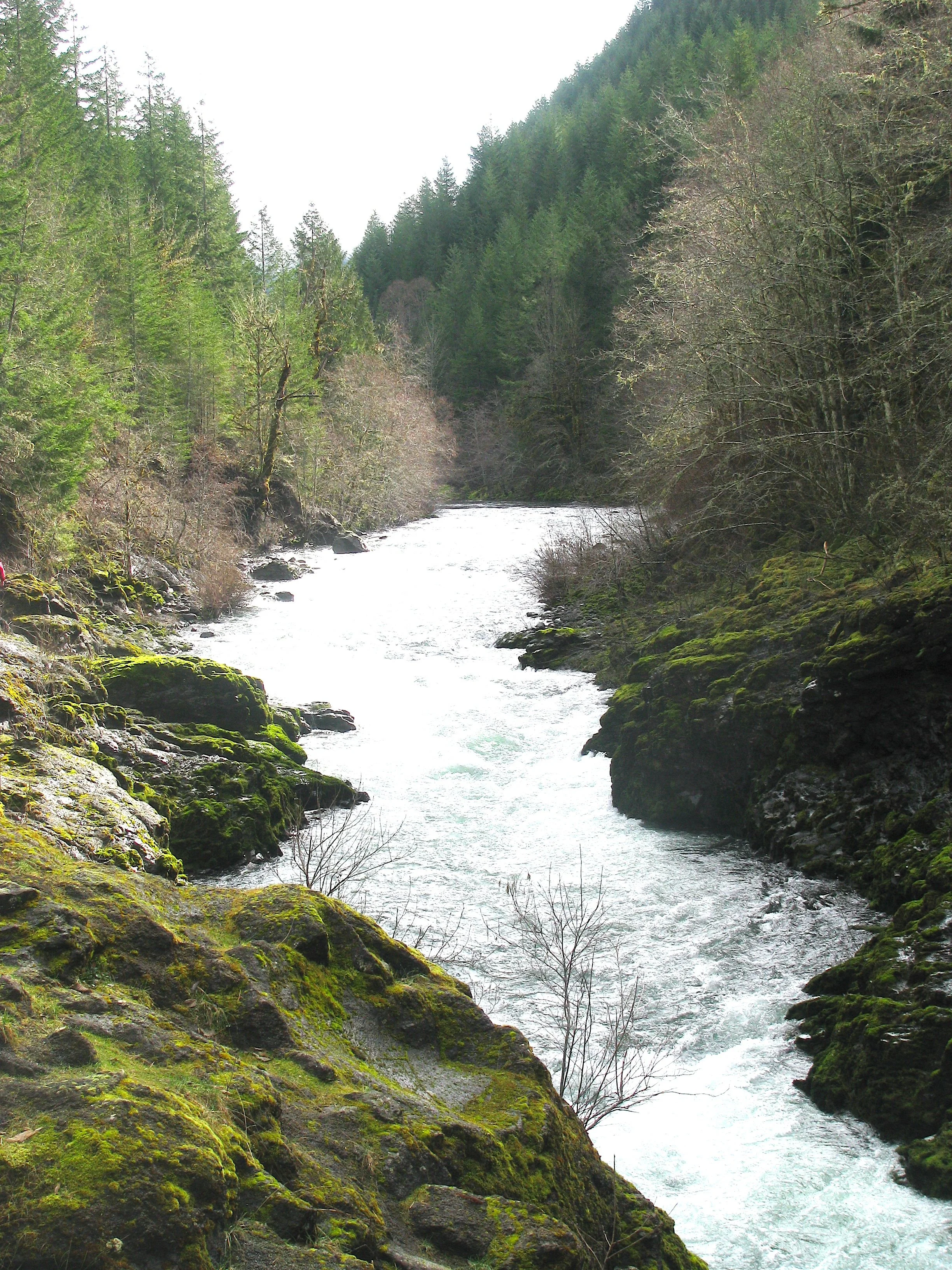
The Proposed Oregon Wildlands Act of 2017: Very Good but Not Yet Great
The congressional conservation pipeline is clogged. This is not because it is too full of fine legislation that would elevate the conservation status of certain public lands by designating wilderness, wild and scenic rivers, and other special protection areas, but because of the general dysfunction of Congress.

Closing the Mining Loophole for Wild and Scenic Rivers
The Chetco protection provision has yet to pass but has been reintroduced in various forms in every Congress since then. The freestanding bill or its legislative language has been included in sixteen pieces of congressional legislation since that time. Yet Congress still has not gotten its act together to save the Chetco from suction-dredge gold mining.

What’s in a Name? Preserving National Monuments Versus Antiquities Only
Back in the day, an Act of Congress, signed into law by President Theodore Roosevelt on June 8, 1906, soon after became commonly known as the “National Monument Act.” The more recently used name of the “Antiquities Act of 1906” must now be changed back to “National Monument Act of 1906.” Here’s why…

Now That’s a Member of Congress!
In addition to the usual (and vital) proposed additions to the National Wilderness Preservation System and the National Wild and Scenic Rivers System, Huffman’s draft legislation proposes several innovative and novel congressional designations that call for ecological restoration, nature conservation, and/or increased recreation.

Owyhee Canyonlands: Faux Conservation and Pork Barrel Development
In a tepid effort to express support for the conservation of the Owyhee Canyonlands, Oregon’s two Democratic U.S. senators, Ron Wyden and Jeff Merkley, introduced legislation (S.3048, 114th Congress, the Southeastern Oregon Mineral Withdrawal and Economic Preservation and Development Act) that would permanently withdraw the area from certain forms of mining and would do other things.
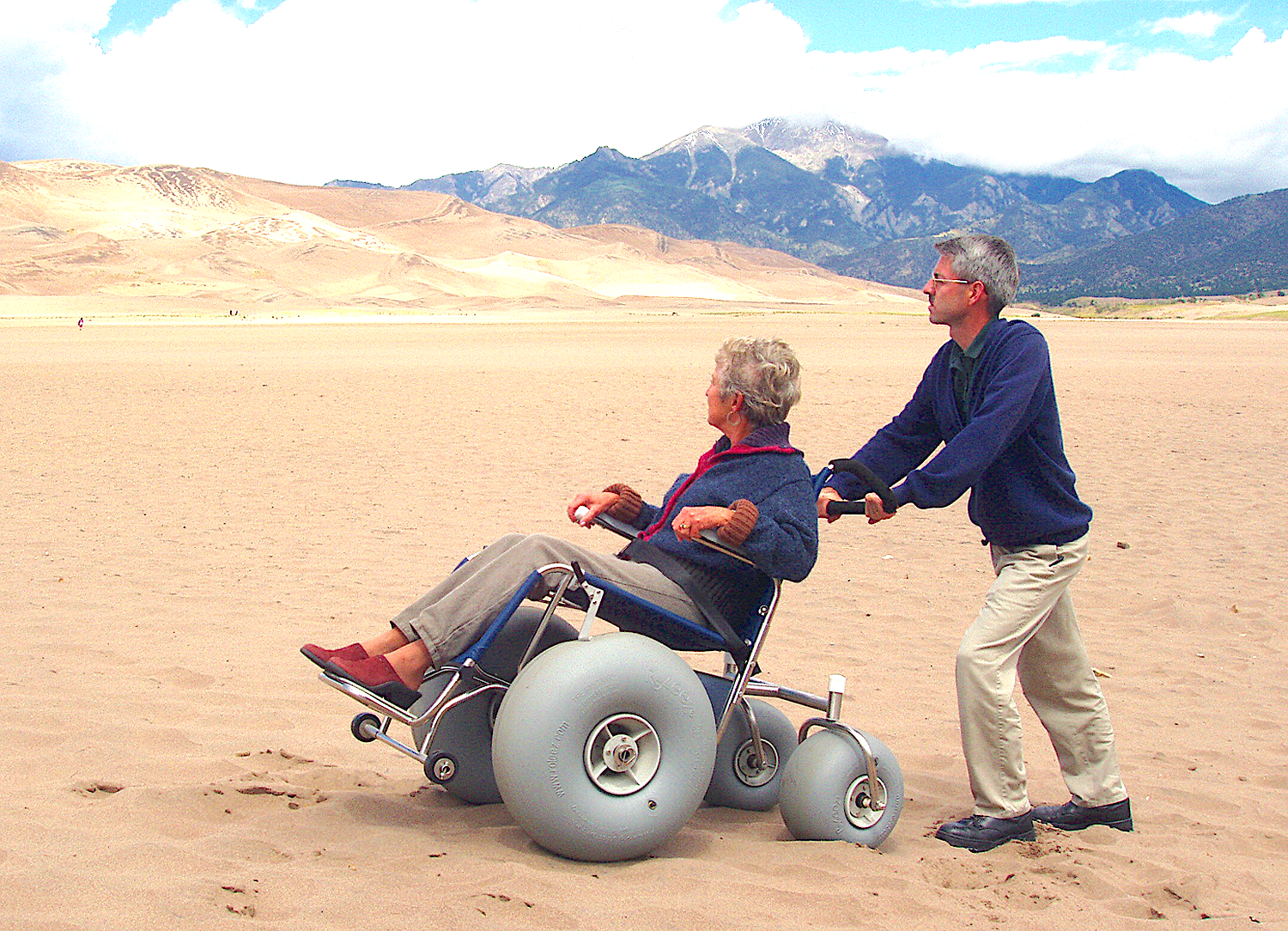
Wilderness and Mountain Bikes: Can They Co-Exist?
Trigger warning for wilderness purists: I’m going to argue that mountain bikes in wilderness areas are not a unqualified evil and in fact—if wilderness advocates are visionary, strategic, pragmatic and relevant—can be a qualified opportunity.

The Westerman Bill: The Timber Industry’s Wet Dream
Logging in Lane County, Oregon on both public and private lands.
The Westerman bill would legislate horrifically harmful public forest policy into law. Among its many sins, the Westerman bill would
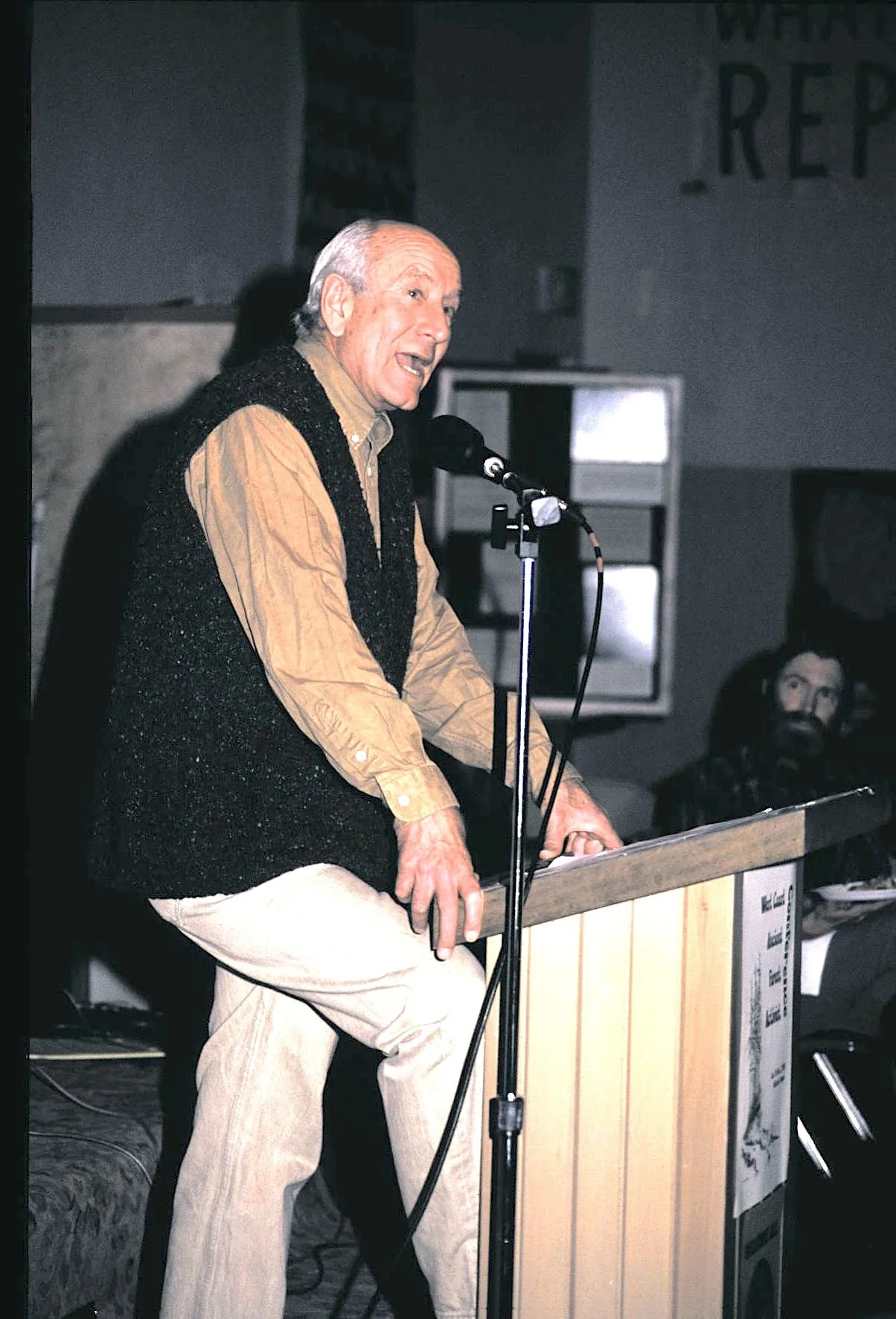
Preremembering Jim Weaver, Oregon Conservationist
Weaver could have been a Shakespearean actor, with passion and paranoia characterizing his performance as a United States congressperson. There are generally three kinds of politicians: (1) those who have few or no principles or issues they really care about; (2) those who do have principles and issues they really care about but moderate them to get elected or gain influence inside the legislative body by getting along in the hope of furthering their principles and issues; and (3) those who have strong principles and issues and do not moderate them either for election or influence. Weaver was the third kind.
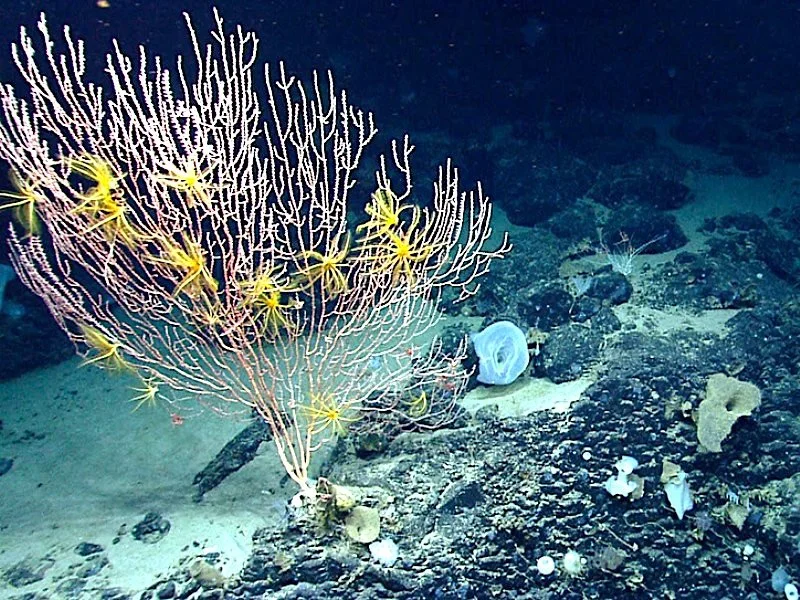
Numerous No-Take Marine Protected Areas Are Best for Commercial Fishing
As marine national monuments go, the Northeast Canyons and Seamounts (NEC&S) Marine National Monument proclaimed by President Obama in 2016 is rather puny. Yes, it’s comparable to the size of Connecticut, but Connecticut, after all, is the forty-eighth largest state. President Obama generally went big with marine national monuments before he went home, but not in this case. Why not?
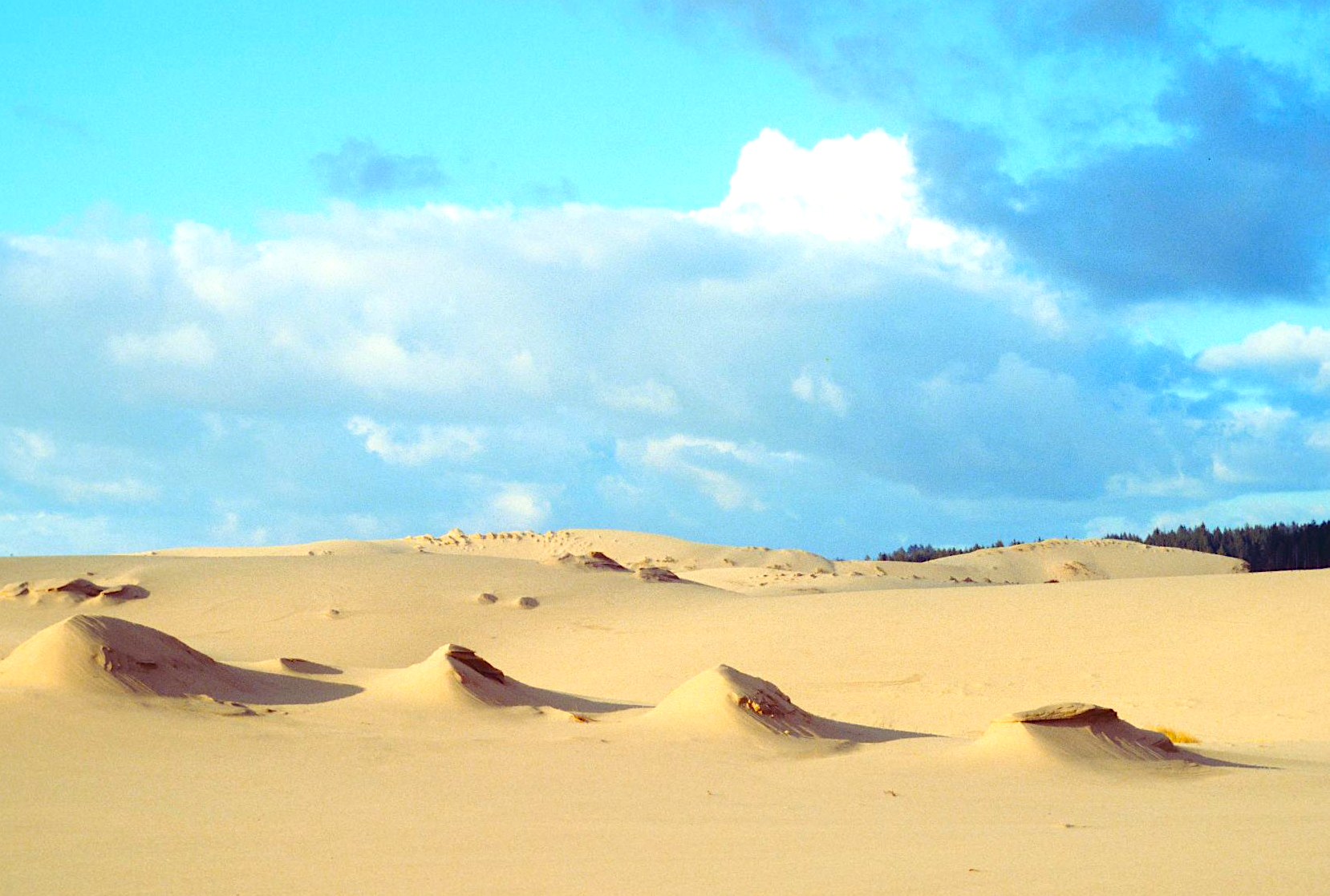
Increased Wilderness Demand Calls for Increased Wilderness Supply
Population is continuing to grow in Oregon vis-à-vis population growth in other states, to the point where Oregon may well get a sixth Member of Congress after the 2020 census. People are moving to Oregon to enjoy our quality of life. Besides the beer and the wine, there is the backcountry and the wild that makes Oregon Oregon.

The National Marine Sanctuary System, Actual and Potential
Congress has not reauthorized or amended the NMSA since 2000. Now would not be a good time to try. Recent history, under both a Republican and a Democratic president, has shown that serious large-scale ocean conservation occurs only with the use of the Antiquities Act.
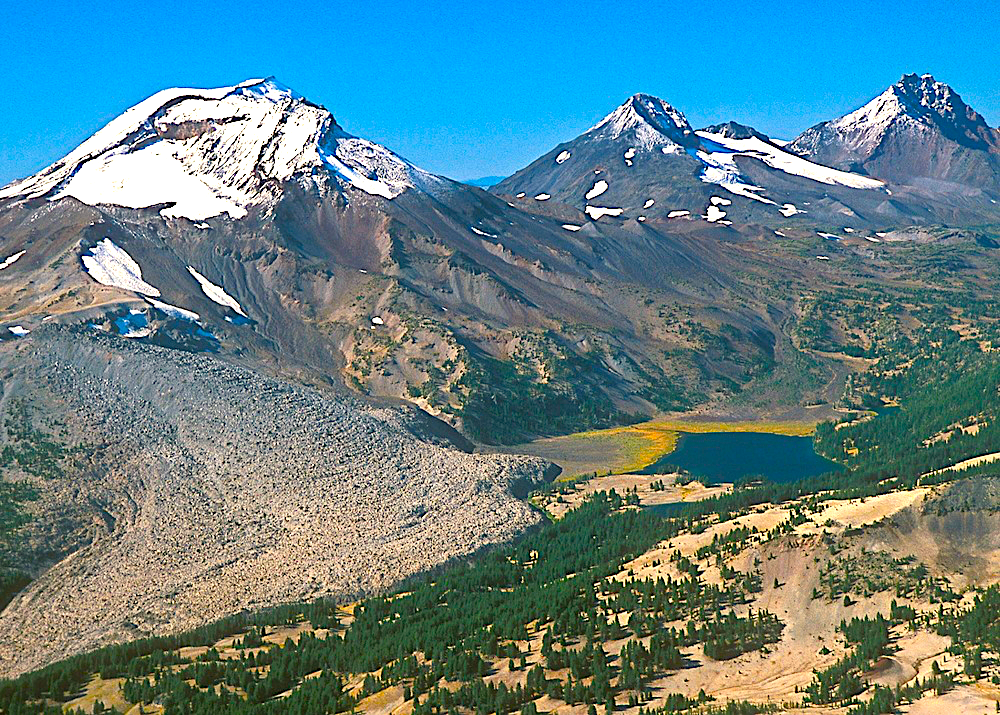
The Trump Administration Takes Out 17 International Biosphere Reserves
The Three Sisters, individually known today as South Sister, Middle Sister and North Sister, and in early days as Faith, Hope and Charity. The 283,630-acre Three Sisters Wilderness is still a unit of the National Wilderness Preservation System, but is no longer a unit of the World Network of Biosphere Reserves.

The Coastal Barrier Resources System
The Coastal Barrier Resources Act of 1982 (CBRA) was signed into law by President Ronald Reagan, not known for being a flaming conservationist. Reagan may not have loved nature as much as he hated government bailouts—especially repeated government bailouts—but in the case of undeveloped areas along our coasts, the conservation of both nature and the federal treasury aligned.
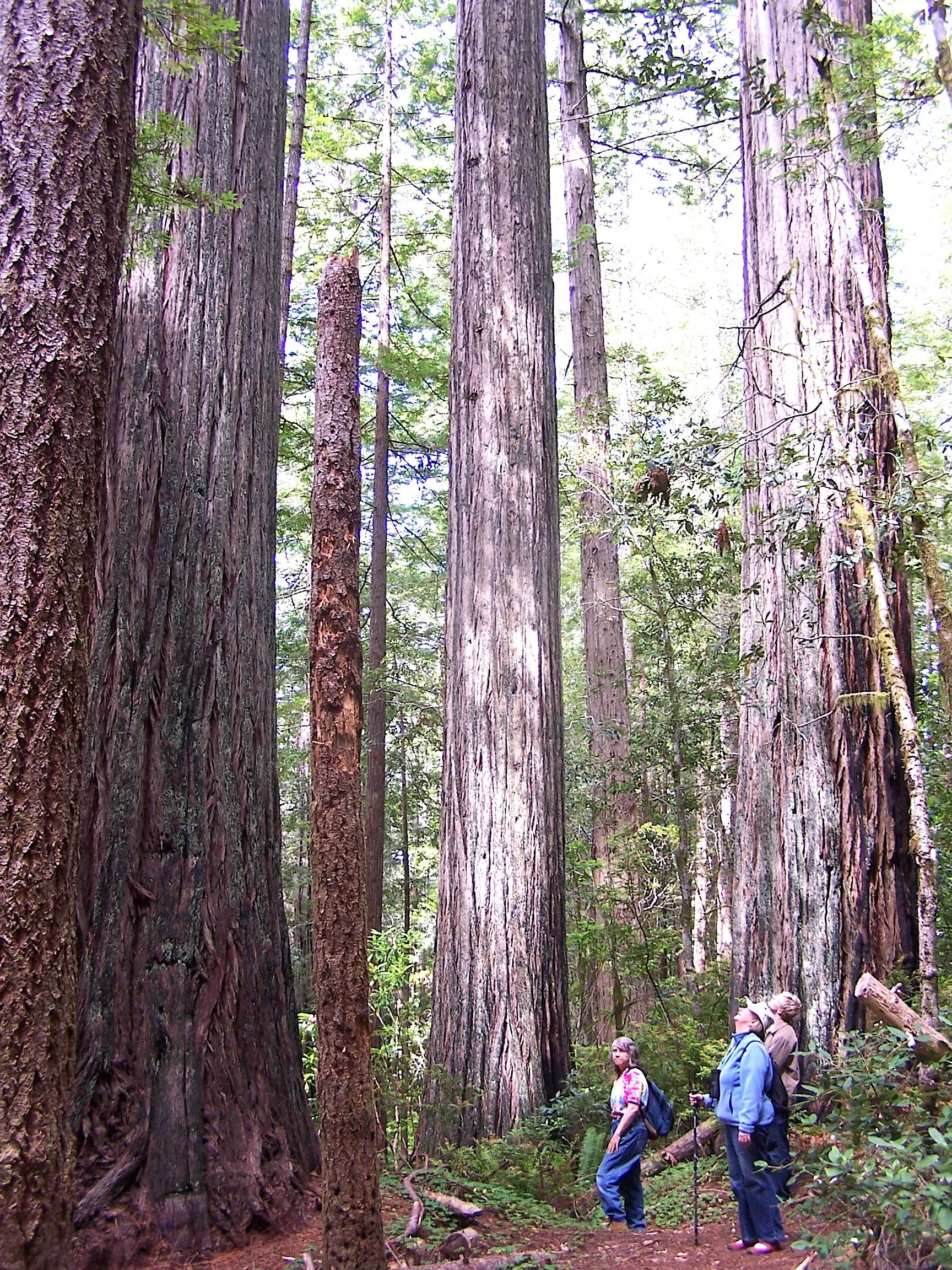
Federal Systems for the Conservation and Enjoyment of Lands and Waters
Over the course of more than a century, Congress—or the executive branch using expressed authorities granted by Congress—has established various systems for the conservation, management, and enjoyment of federal and other lands and waters. On the whole, these systems are bold, visionary, and remarkable.

Federal Payments to Timber-Addicted Counties
Until the first judicial injunctions brought most logging of northern spotted owl habitat to a halt, the monies came mostly from the sale of old-growth forest. These forests were being logged at a rate of more than three square miles each week on federal public forestlands in Oregon

The High Cost of Cheap Grazing
It costs more to feed a domestic house cat than to graze domestic livestock on federal public lands. This has generally been the case since the early 1900s, when the federal government first required ranchers to pay a fee for grazing their livestock on millions of acres of federal land, primarily in western states.
Trump Administration “Review” of Certain National Monuments
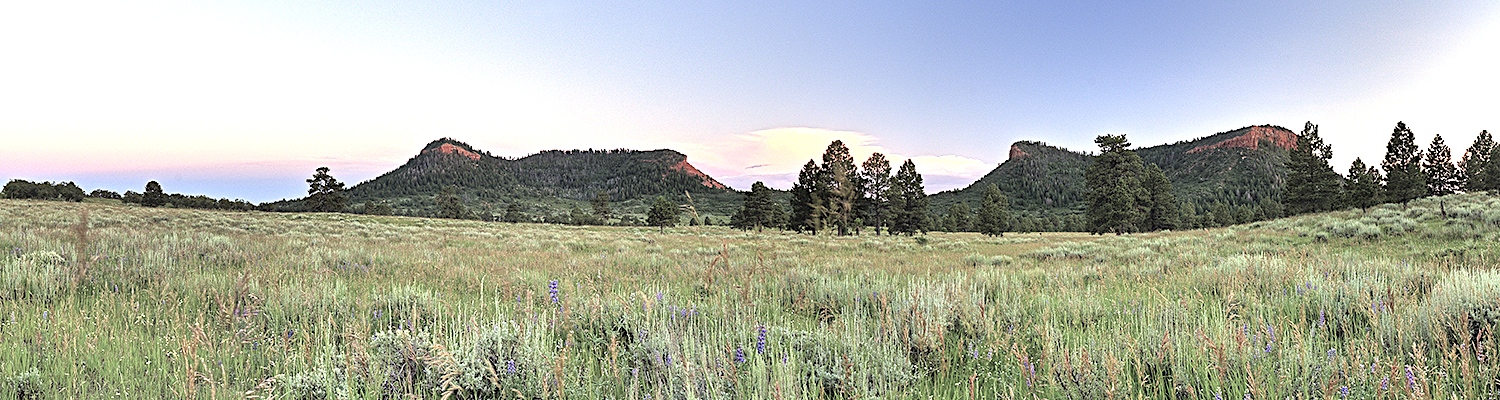
Trump’s two immediate predecessors, Democratic President Obama and Republican President Bush, broke records in proclaiming national monuments for this and future generations. By contrast, it’s clear that Trump is no Theodore Roosevelt, who signed the Antiquities Act of 1906 in which Congress granted the power to the president to proclaim national monuments.
The Elliott State Forest Will Not Be Privatized—But Will It Be Saved?
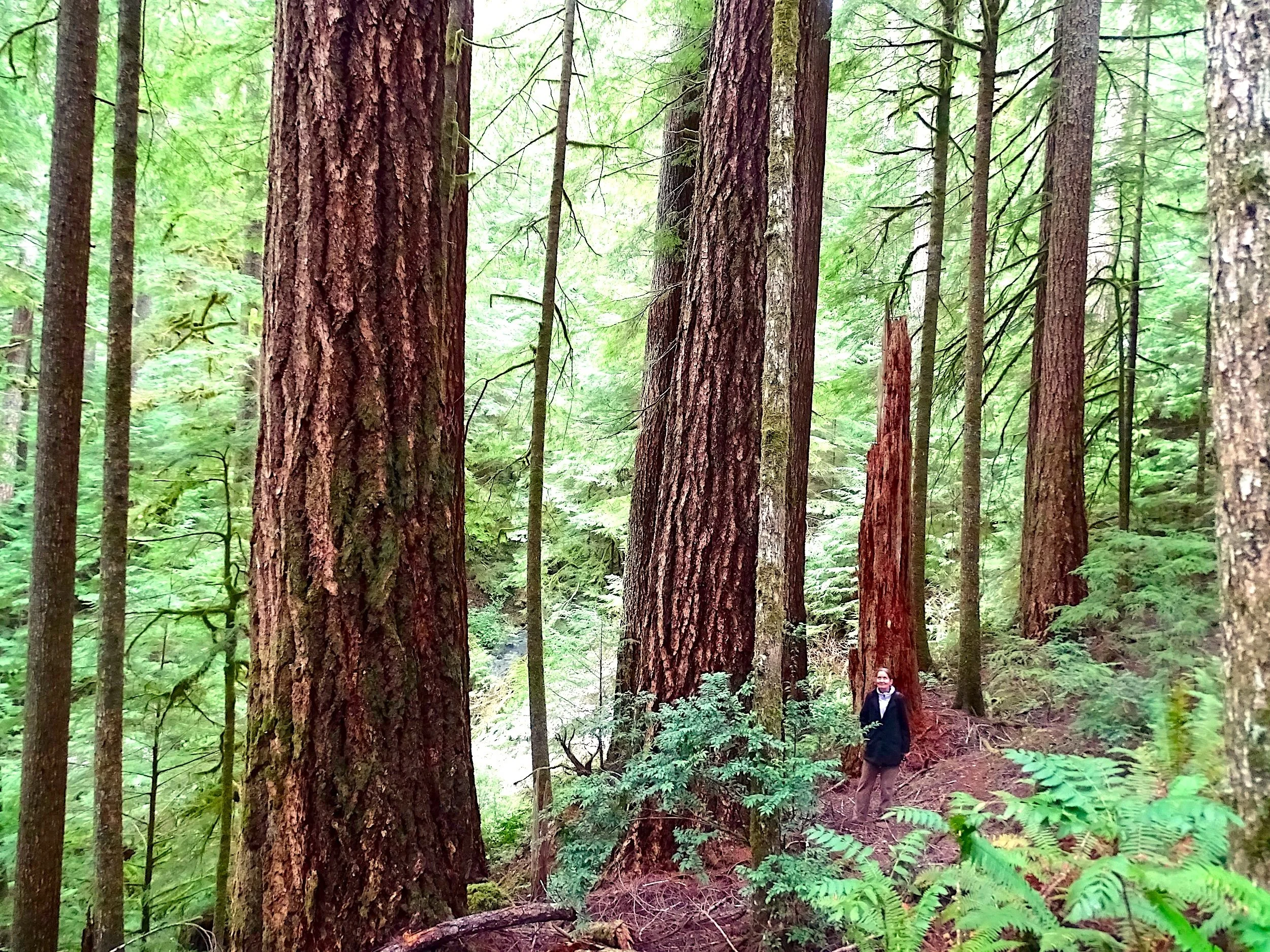
The Elliott State Forest is not, in fact, public land. Rather, it is trust land with public value and public access, so the public generally considers it public land. The legal distinction is vitally important in this saga.
Theodore Roosevelt: The First and Greatest Public Lands Conservationist
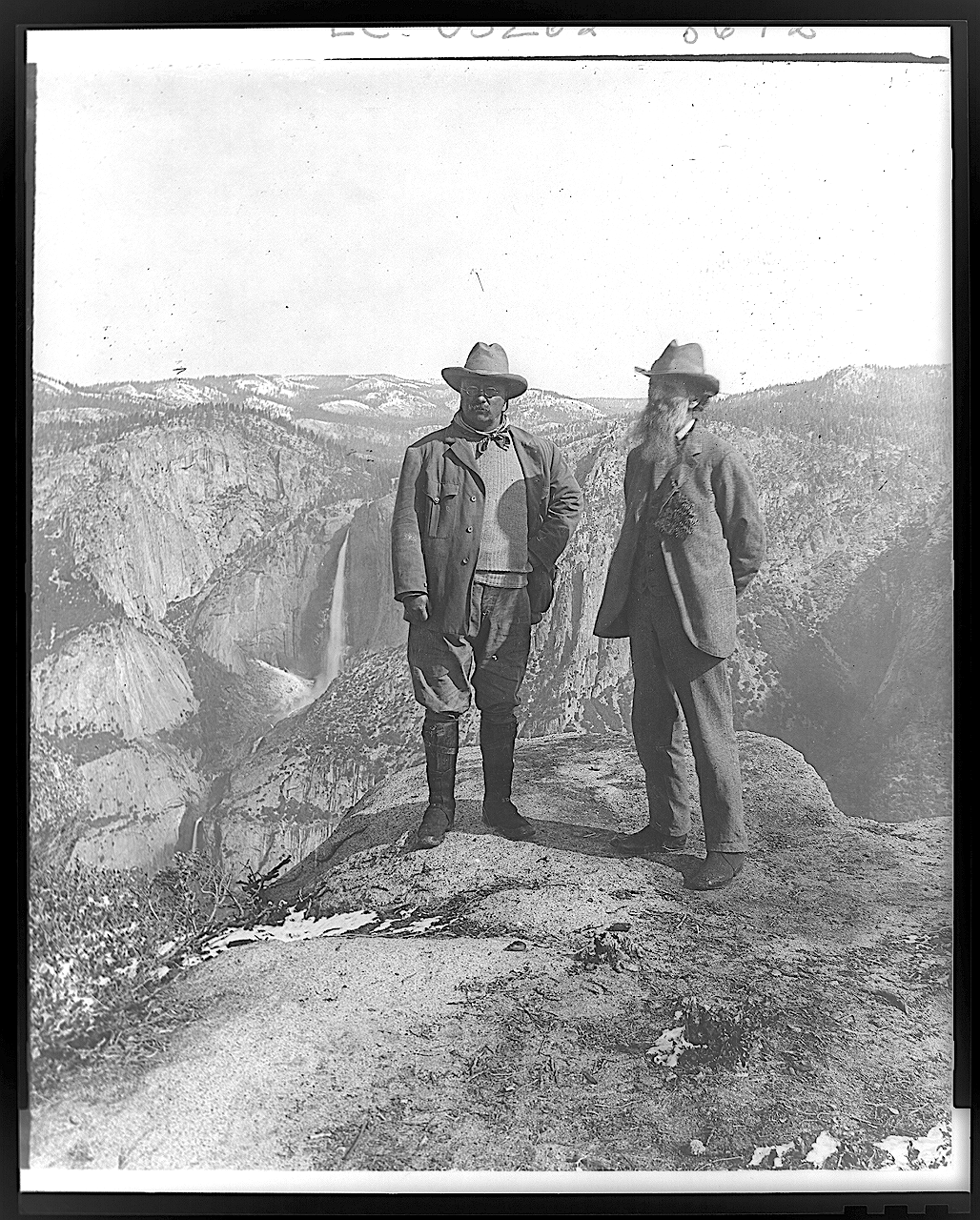
The present president doesn’t seem to enjoy the outdoors, unless it is on a great big beautiful golf course. Though the presidential retreat in Maryland does have a modest driving range along with one hole and several tees, don’t bet on Trump spending any time at Camp David, tucked in western Maryland’s forests.