Sort By Category
- 30x30
- Administration
- Antiquities Act
- Book Reviews
- Bureau of Land Management
- Climate Change
- Coasts
- Congress
- Counties & Federal Lands
- Courts
- Courts & Litigation
- Department of Agriculture
- Department of Interior
- Deserts
- Ecological Reserves
- Ecosystems
- Elections
- Endangered Species
- Energy
- Estuaries
- Federal Lands
- Fish
- Fish and Wildlife Service
- Forest
- Forest Service
- Forestry
- Forests
- Grasslands
- Land & Water Cons. Fund
- Land & Water Conservation Fund
- Legislation
- Litigation
- Livestock Grazing
- Marine National Monuments
- Marine Protected Areas
- Marine Sanctuaries
- Mature and Old-Growth Forest
- Mining
- Nat'l Conservation Lands
- National Forest System
- National Marine Sanctuaries
- National Monuments
- National Monuments Act
- National Park Service
- National Park System
- National Parks
- National Recreation Area
- National Scenic Area
- National Trails System
- National Wildlife Refuges
Sort By Tag
- 1002 area
- 30x30
- 5th Amendment
- ANWR
- Acadia National Park
- Adam Smith
- Administrative Procedure Act
- Advancing Conservation and Education Act
- Alan Bates
- Alan Deboer
- Alaska
- Alaska National Interest Lands Act
- Alaska Native Claims Settlement Act
- Aldo Leopold
- American Forest Resource Council
- American Prairie Reserve
- American Tree Farm System
- American beef supply
- American black duck
- American woodcock
- Ammon Bundy
- Ancient Forest National Park
- Anders Eskil Carlson
- Andrea Salinas
- Andrew N. Gray
- Andy Kerr
- Animal unit month
- Ansel Adams
- Antiquities Act
- Applegate Primitive Backcountry Area
- Aqua Fria National Monument
- Aquatic Conservation Strategy
- Aquatic Conservation and Riparian Strategy
- Arches National Monument
- Arches National Park
- Arctic National Wildlife Refuge
- Areas of Critical Environmental Concern
- Army Corps of Engineers
- Association of O&C Counties
- Astoria Canyon
- Astoria Fan
- Atlantic Coast
- Augusta Canal NHA
- Avarna Group
- Avi Kaw Ame
- BLM Conservation Rule
- BLM Zone 3 Lands
- BOEM Oregon Planning Area
- Baboquivari Peak Wilderness
- Baker County
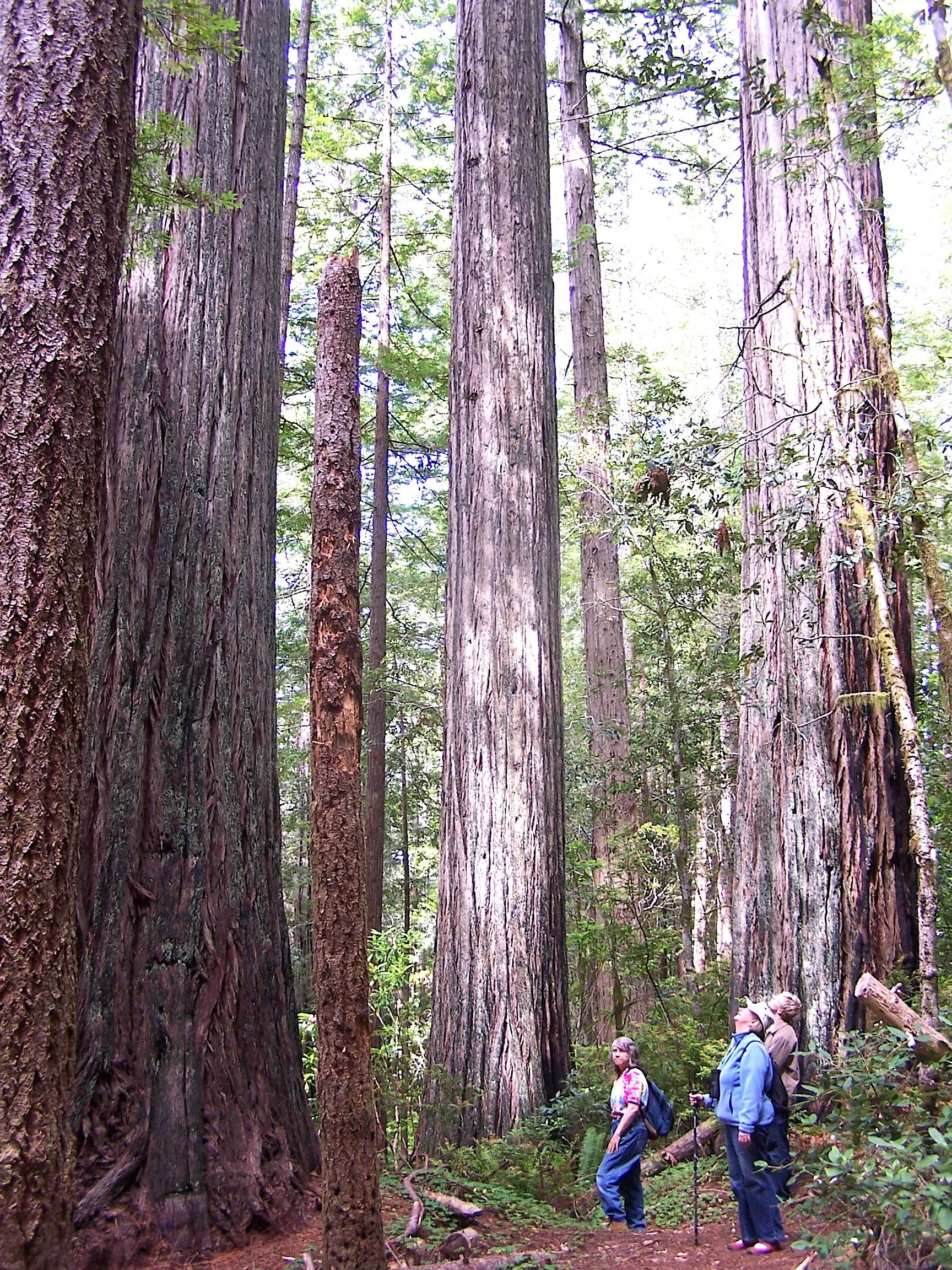
Federal Systems for the Conservation and Enjoyment of Lands and Waters
Over the course of more than a century, Congress—or the executive branch using expressed authorities granted by Congress—has established various systems for the conservation, management, and enjoyment of federal and other lands and waters. On the whole, these systems are bold, visionary, and remarkable.

Federal Payments to Timber-Addicted Counties
Until the first judicial injunctions brought most logging of northern spotted owl habitat to a halt, the monies came mostly from the sale of old-growth forest. These forests were being logged at a rate of more than three square miles each week on federal public forestlands in Oregon

The High Cost of Cheap Grazing
It costs more to feed a domestic house cat than to graze domestic livestock on federal public lands. This has generally been the case since the early 1900s, when the federal government first required ranchers to pay a fee for grazing their livestock on millions of acres of federal land, primarily in western states.
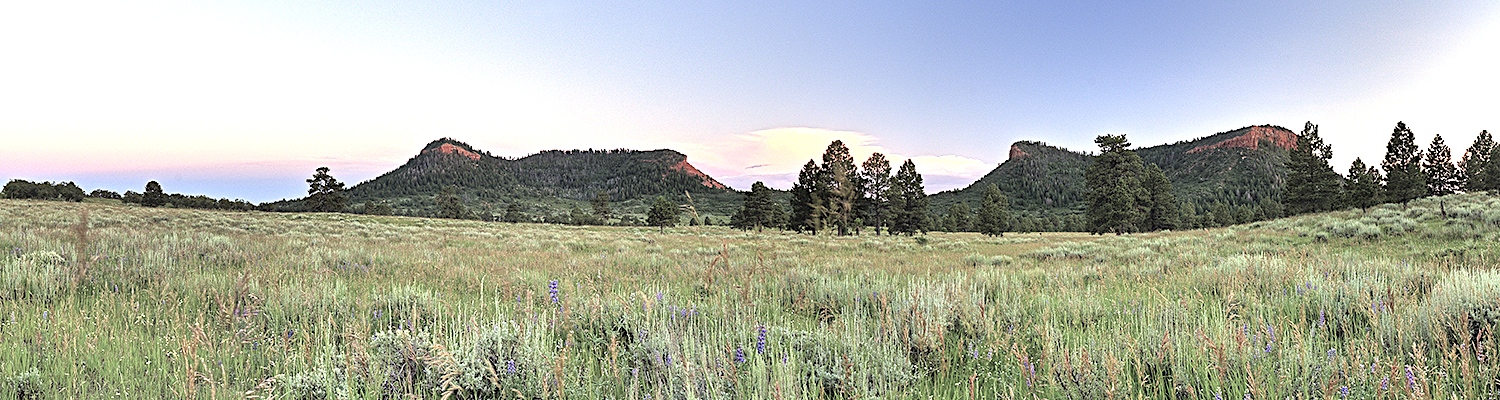
Trump Administration “Review” of Certain National Monuments
Trump’s two immediate predecessors, Democratic President Obama and Republican President Bush, broke records in proclaiming national monuments for this and future generations. By contrast, it’s clear that Trump is no Theodore Roosevelt, who signed the Antiquities Act of 1906 in which Congress granted the power to the president to proclaim national monuments.
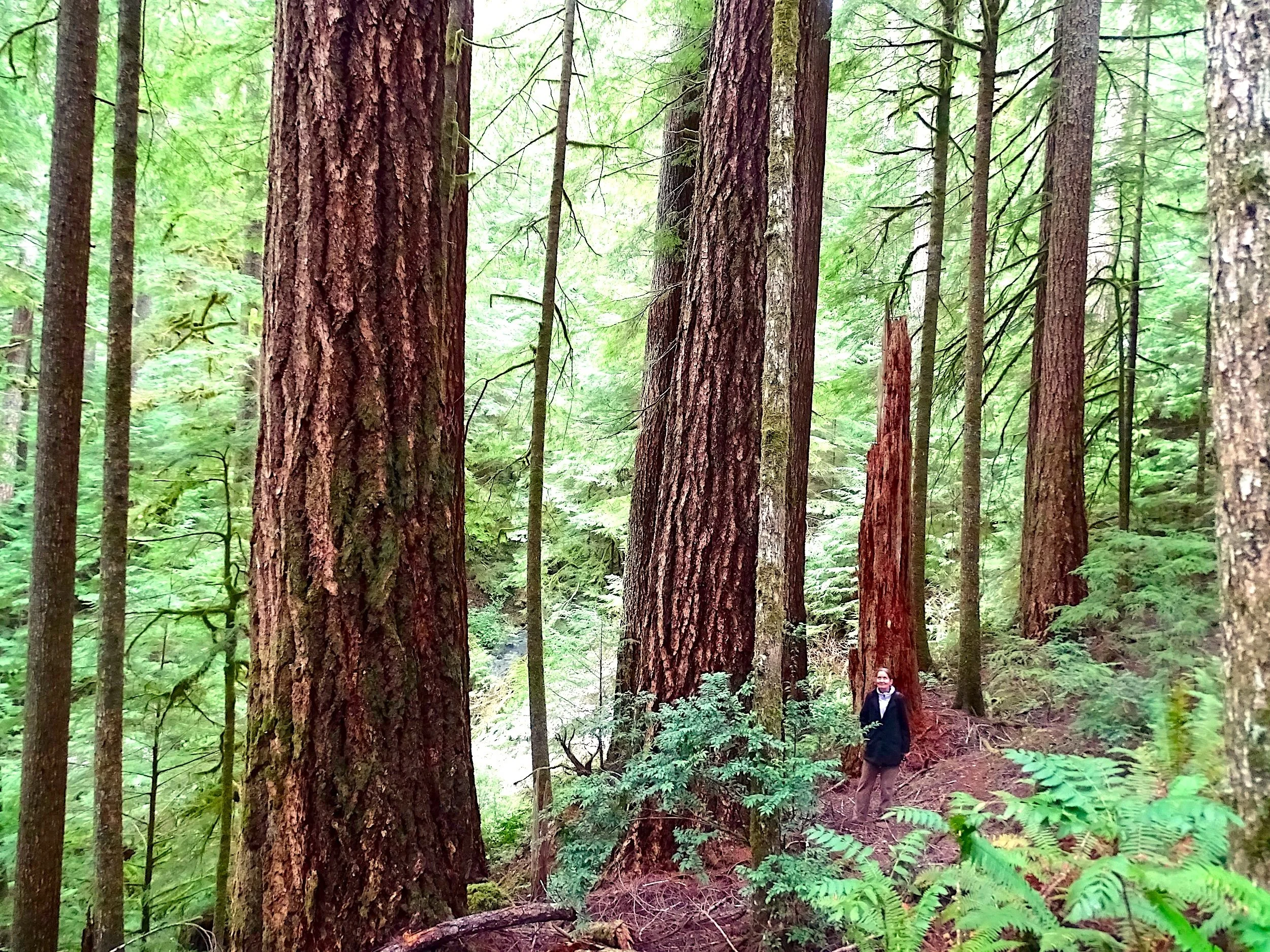
The Elliott State Forest Will Not Be Privatized—But Will It Be Saved?
The Elliott State Forest is not, in fact, public land. Rather, it is trust land with public value and public access, so the public generally considers it public land. The legal distinction is vitally important in this saga.
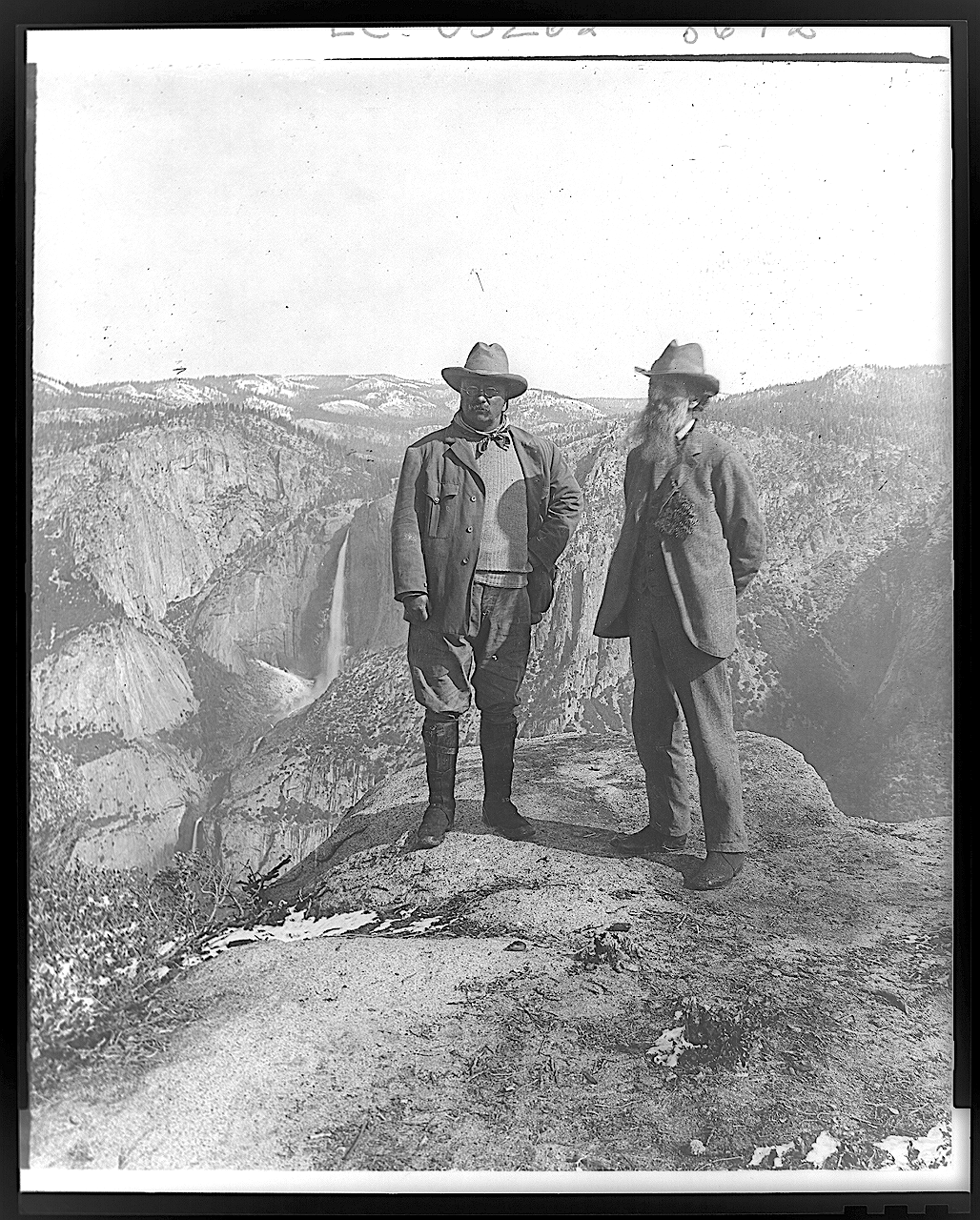
Theodore Roosevelt: The First and Greatest Public Lands Conservationist
The present president doesn’t seem to enjoy the outdoors, unless it is on a great big beautiful golf course. Though the presidential retreat in Maryland does have a modest driving range along with one hole and several tees, don’t bet on Trump spending any time at Camp David, tucked in western Maryland’s forests.

Will Trump Dump National Monuments?
President Trump signed an executive order on April 26, 2017, that directs Secretary of the Interior Ryan Zinke to review sixty-two of the last three presidents’ national monument proclamations, dating back to 1996. Source: Wikipedia
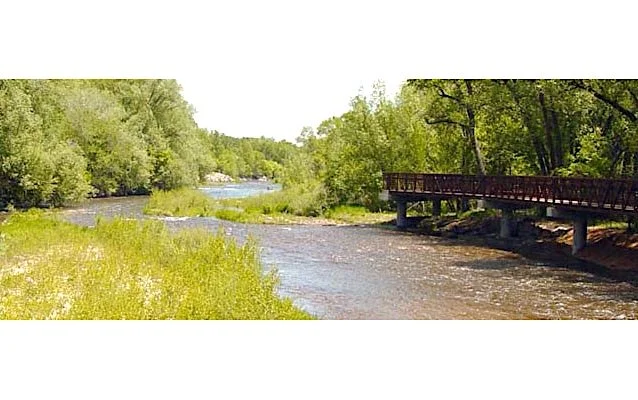
National Heritage Areas: Combining the Conservation of Nature, History, and Culture with Local Economic Development
National heritage areas (NHAs) are a way to conserve and restore important natural, historical, and cultural resources for this and future generations while at the same time generating local economic activity through tourism. NHAs are established by Congress but administered by local entities with the assistance of the National Park Service.
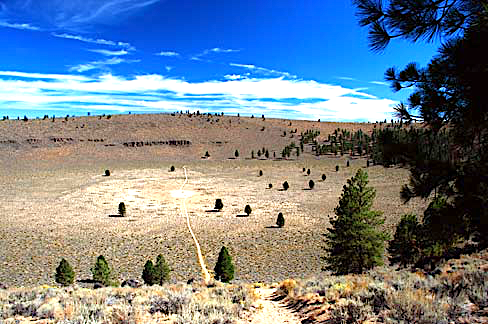
An Unprecedented Assault Upon the Federal Public Lands
Though President Trump has said he “loves” public lands and doesn’t want to sell or give them to states, counties, or private industry, he does favor increased logging, grazing, mining, drilling, and just about anything else bad for these lands.
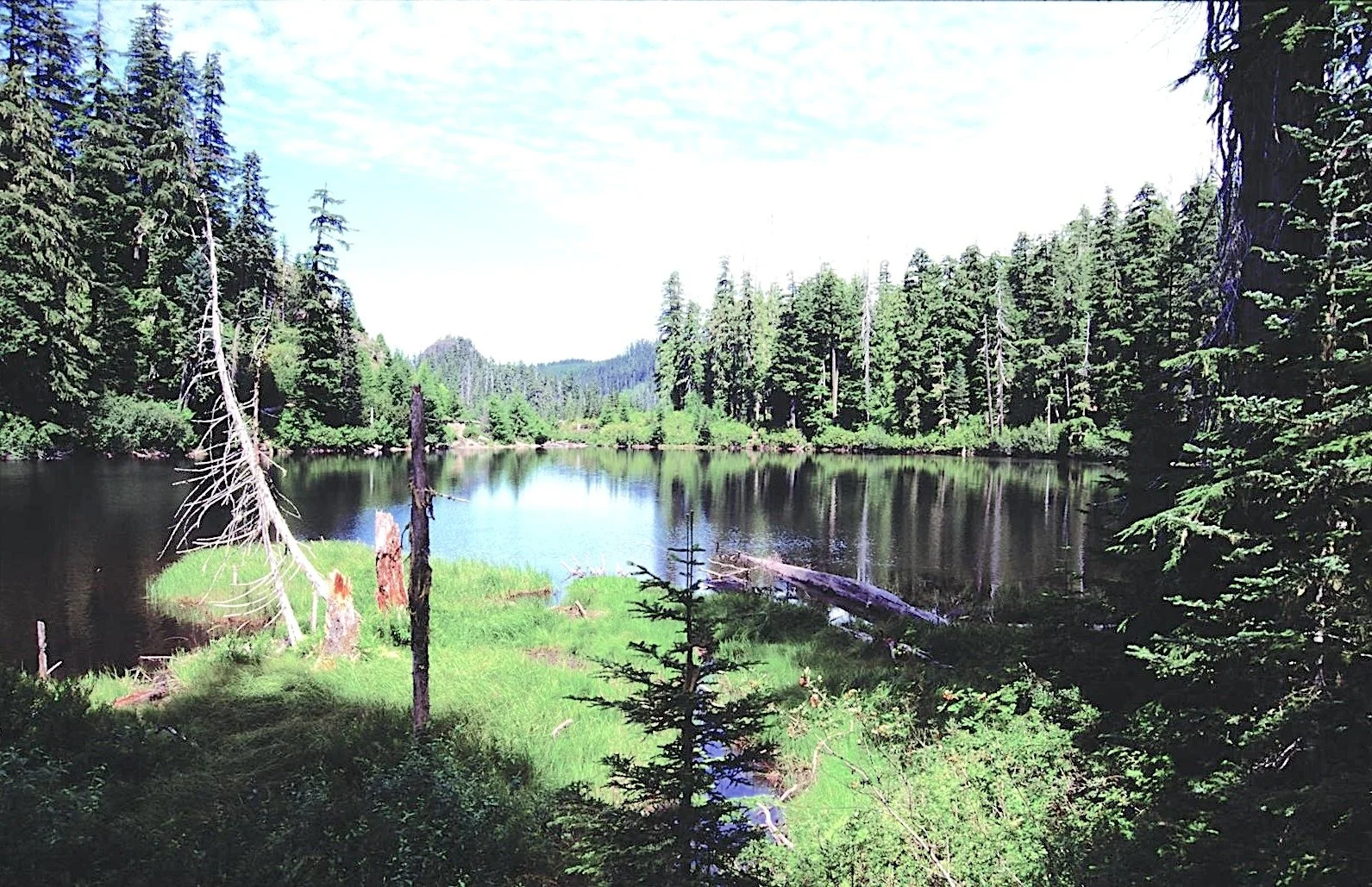
A Monumental Battle, Part 2: National Monuments in the Congress
There is no question that an Act of Congress can eliminate, shrink, or weaken a national monument proclaimed by a president pursuant to authority granted by Congress. What Congress giveth, Congress can taketh away.

A Monumental Battle, Part 1: National Monuments in the Courts
National monuments are “proclamations,” not “executive orders.” The president issues executive orders under the faithful execution clause of the Constitution (in Article II, Section 3). A president may expand, revoke, or modify a previous executive order. An executive order and a presidential proclamation under the Antiquities Act are absolutely not one and the same.
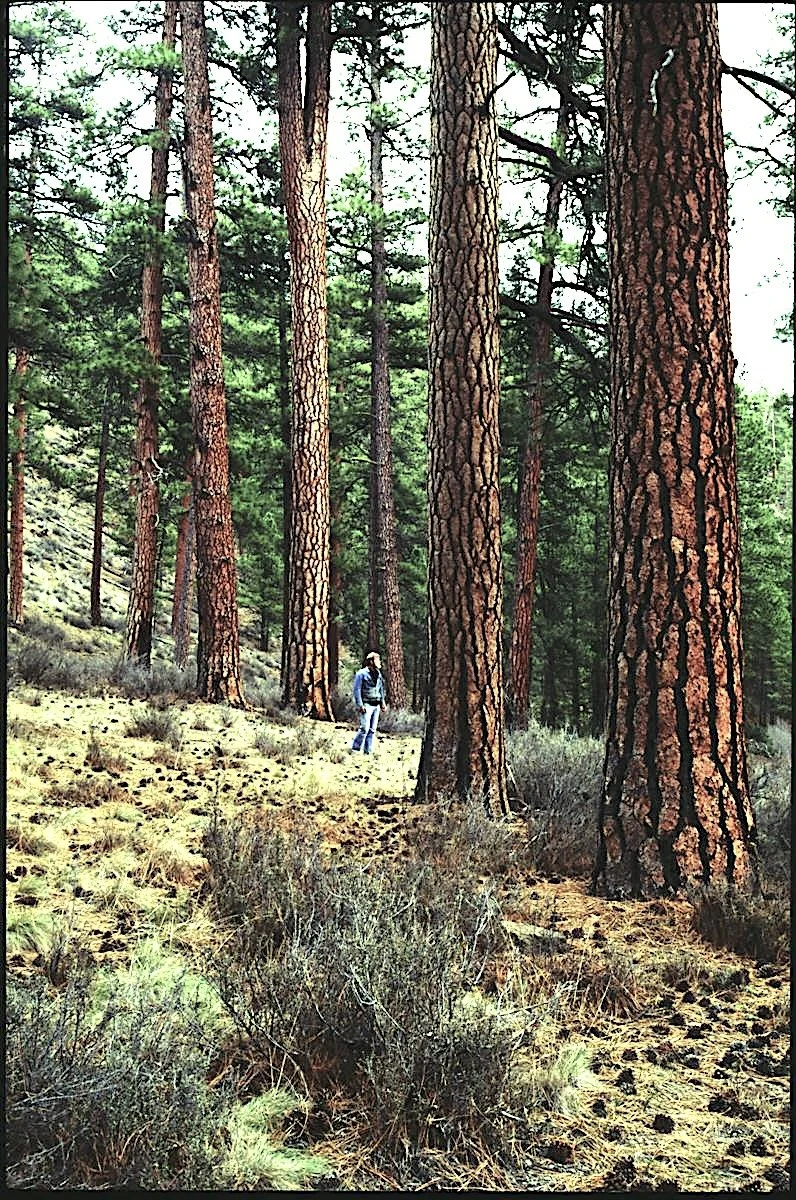
Wilderness: Expanding Concept, Shrinking Supply
Limits have been considered on visitors to Oregon’s Mount Hood Wilderness and Washington’s Alpine Lakes Wilderness, which are within easy reach of the Portland and Puget Sound metropolitan areas. In some cases, the Forest Service has contemplated visitor reductions as large as 60 and 90 percent. Such limits are already common on popular floating rivers including the Rogue and the Colorado.
The National Wildlife Refuge System, Part 3: Time to Double Down
During this Trumpian Quadrennium, with a Congress hostile to conservation, the chances of expanding the National Wildlife Refuge System (NWRS) approach zero. Yet the need to double the size of the system has never been greater, so now is the time to start.

The National Wildlife Refuge System, Part 2: Historical Evolution and Current Challenges
The purposes and boundaries of Oregon’s Malheur National Wildlife Refuge can only be divined by examining at least a dozen acts of Congress, presidential actions, and administrative decisions.
The National Wildlife Refuge System, Part 1: An Overview
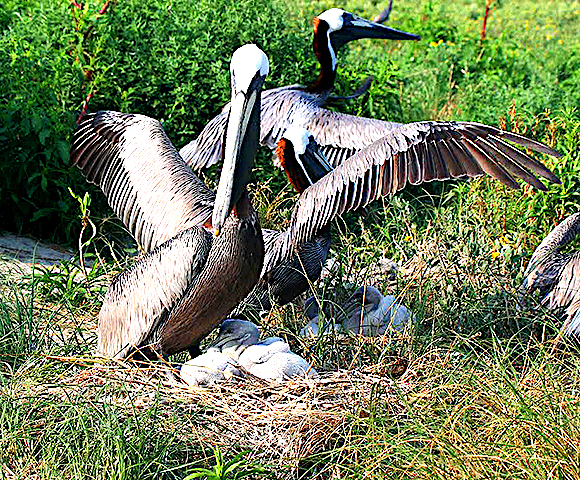
Pelican Island in the Indian River Lagoon in Florida was the home to an extraordinary number of native birds, many of which were threatened by plume hunters meeting the hot market for feathers (and even whole birds) for women’s hats.
Why Wilderness?
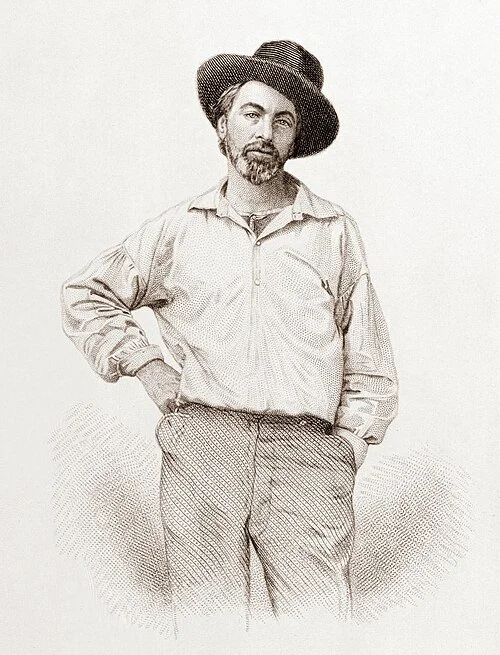
Without enough wilderness America will change. Democracy . . . must be fibred and vitalized by regular contact with outdoor growths—animals, trees, sun warmth and free skies—or it will dwindle and pale. —Walt Whitman
Privatizing Federal Public Lands in Western Oregon
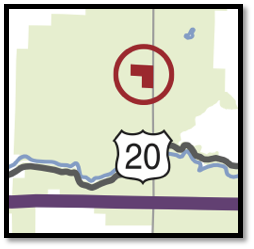
Following are seven examples of high-public-value BLM Zone 3 lands in western Oregon that should be reclassified or transferred. The parcels in question are shown on the map segments to the left of their descriptions. I’m confident that a similar analysis of BLM eastern Oregon lands will yield similar examples.

National Forests in the Western United States: A Magnificent Start and More to Establish
Until the latter third of the nineteenth century, forests in the United States were considered inexhaustible—not renewable, but inexhaustible. But by the 1880s, with watersheds on public and private lands were being decimated by unrestrained logging and grazing, an emerging conservation movement was beginning to convince the public—and would eventually convince Congress—that something needed to be done.

Converting Private Timberlands Back to Public Forestlands
History has shown we cannot rely on the private sector to conserve forests, protect drinking water, and provide other public values, including wildlife habitat, recreation opportunities, and scenic views. The private values of timberlands are in conflict with these public values and are driven by a desire to maximize profit, return on investment, and net present value.
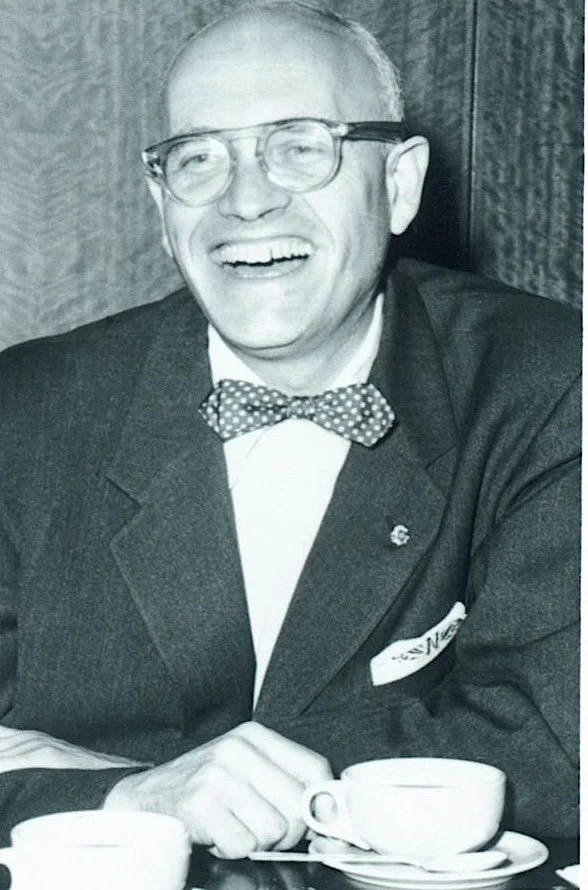
Remembering U.S. Senator Richard L. Neuberger, Oregon Conservationist
Given Oregon’s historically close ties to the timber industry, it is hard to imagine that a U.S. senator from Oregon could be a co-sponsor of the original legislation that became the Wilderness Act of 1964.