Sort By Category
- 30x30
- Administration
- Antiquities Act
- Book Reviews
- Bureau of Land Management
- Climate Change
- Coasts
- Congress
- Counties & Federal Lands
- Courts
- Courts & Litigation
- Department of Agriculture
- Department of Interior
- Deserts
- Ecological Reserves
- Ecosystems
- Elections
- Endangered Species
- Energy
- Estuaries
- Federal Lands
- Fish
- Fish and Wildlife Service
- Forest
- Forest Service
- Forestry
- Forests
- Grasslands
- Land & Water Cons. Fund
- Land & Water Conservation Fund
- Legislation
- Litigation
- Livestock Grazing
- Marine National Monuments
- Marine Protected Areas
- Marine Sanctuaries
- Mature and Old-Growth Forest
- Mining
- Nat'l Conservation Lands
- National Forest System
- National Marine Sanctuaries
- National Monuments
- National Monuments Act
- National Park Service
- National Park System
- National Parks
- National Recreation Area
- National Scenic Area
- National Trails System
- National Wildlife Refuges
Sort By Tag
- 1002 area
- 30x30
- 5th Amendment
- ANWR
- Acadia National Park
- Adam Smith
- Administrative Procedure Act
- Advancing Conservation and Education Act
- Alan Bates
- Alan Deboer
- Alaska
- Alaska National Interest Lands Act
- Alaska Native Claims Settlement Act
- Aldo Leopold
- American Forest Resource Council
- American Prairie Reserve
- American Tree Farm System
- American beef supply
- American black duck
- American woodcock
- Ammon Bundy
- Ancient Forest National Park
- Anders Eskil Carlson
- Andrea Salinas
- Andrew N. Gray
- Andy Kerr
- Animal unit month
- Ansel Adams
- Antiquities Act
- Applegate Primitive Backcountry Area
- Aqua Fria National Monument
- Aquatic Conservation Strategy
- Aquatic Conservation and Riparian Strategy
- Arches National Monument
- Arches National Park
- Arctic National Wildlife Refuge
- Areas of Critical Environmental Concern
- Army Corps of Engineers
- Association of O&C Counties
- Astoria Canyon
- Astoria Fan
- Atlantic Coast
- Augusta Canal NHA
- Avarna Group
- Avi Kaw Ame
- BLM Conservation Rule
- BLM Zone 3 Lands
- BOEM Oregon Planning Area
- Baboquivari Peak Wilderness
- Baker County
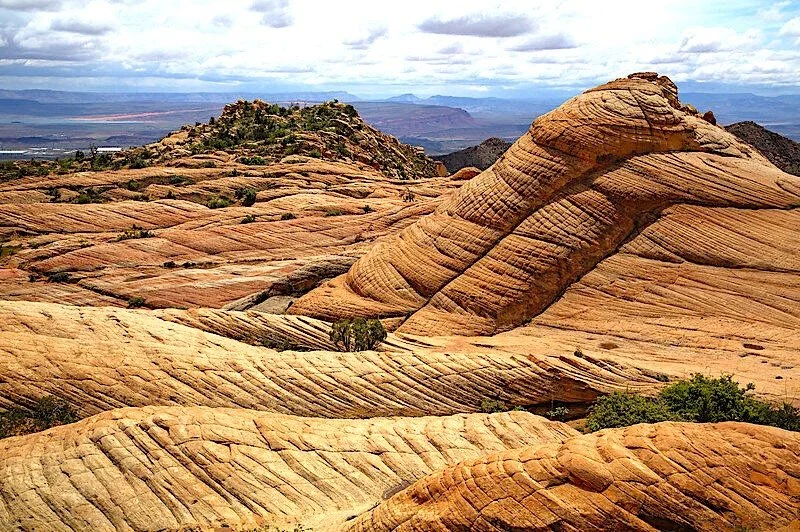
Roading the Red Cliffs: Unnecessary, and Illegal to Boot
The Colorado Plateau, the Great Basin Desert, and the Mojave Desert come together in Washington County, Utah, where the Red Cliffs National Conservation Area (RCNCA) is generally centered. In this transition zone, unusual plant and animal species have evolved, including the dwarf bearclaw-poppy (Arctomecon humilis) and Shivwits milk-vetch (Astragalus ampullarioides), small native plants that grow nowhere else on earth.
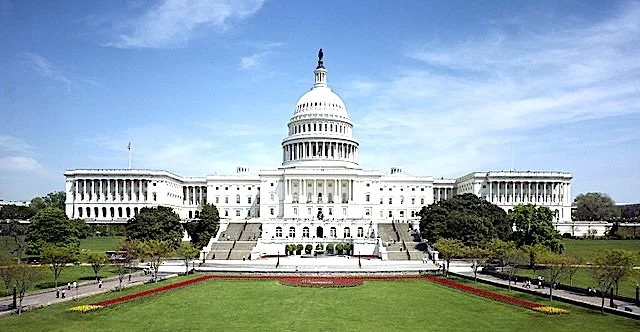
Public Lands in the 116th (2019–20) Congress
We live in a polarized nation divided between rural and urban with the suburbs and exurbs swinging toward the Democrats, allowing that party to retake the House.

The Other Half of the National Environmental Policy Act Is Under Threat
In August 2017, President Trump announced his intent to “enhance and modernize” the NEPA regulations, and CEQ responded with a list of actions the following month
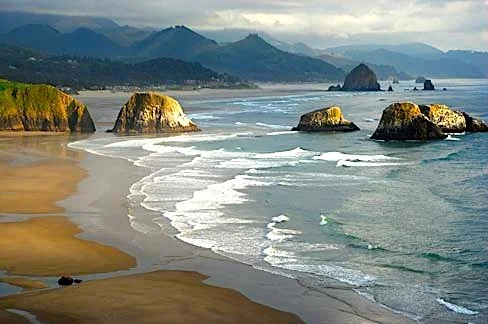
Protecting the Pacific Northwest Offshore Ocean for This and Future Generations
There might be far more or far less oil and gas offshore Oregon and Washington than the Bureau of Ocean Energy Management has estimated (see last weeks Public Lands Blog post). In any case, we really cannot afford to find out, as the only prudent course is to Keep It in the Ground and out of the atmosphere. This means all fossil fuels, offshore and onshore.
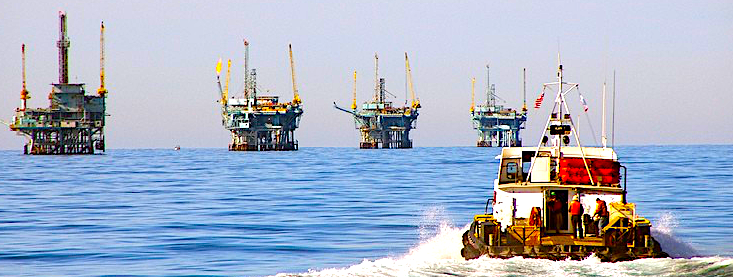
US Pacific Northwest Offshore Oil and Gas: A Waste of Time, Ocean and Coast
The federal Bureau of Ocean Energy Management (BOEM) estimates there is an even chance that 0.4 billion barrels of oil and 2.28 trillion cubic feet of natural gas that are technically exploitable might be discovered under the Outer Continental Shelf offshore Oregon and Washington. At 2017 rates of consumption, this amount of oil and gas would fuel the United States for twenty and thirty-one days respectively, meaning the United States would convert to a carbon-free economy a month later than we otherwise will.

Selling More Heroin to Pay for Methadone: Oil Drilling in the Arctic National Wildlife Refuge: Part 2
This is the second of a two-part examination of proposed oil exploitation in the Arctic National Wildlife Refuge.

Selling More Heroin to Pay for Methadone: Oil Drilling in the Arctic National Wildlife Refuge, Part 1
This is the first of a two-part examination of proposed oil exploitation in the Arctic National Wildlife Refuge.

Many National Parks Arose From National Monuments
Pinnacles is the nation’s fifty-ninth full-fledged national park. Twenty-five of our fifty-nine national parks, totaling 39.6 million acres, were first seeded by the establishment of a presidentially proclaimed national monument. Fourteen of these monumental twenty-five were established from more than one national monument proclamation, in that national monuments were expanded by later presidents.
Precedent for Secretary Zinke’s Gut-Job on the National Monuments
The Trump administration is moving ahead with its intention to review and rescind national monument designations for some public lands. Now a leaked memorandum from Secretary of the Interior Ryan Zinke shows that he will be pointing to unproclamations of portions of national monuments by previous presidents as precedent.

What’s in a Name? Preserving National Monuments Versus Antiquities Only
Back in the day, an Act of Congress, signed into law by President Theodore Roosevelt on June 8, 1906, soon after became commonly known as the “National Monument Act.” The more recently used name of the “Antiquities Act of 1906” must now be changed back to “National Monument Act of 1906.” Here’s why…
Numerous No-Take Marine Protected Areas Are Best for Commercial Fishing
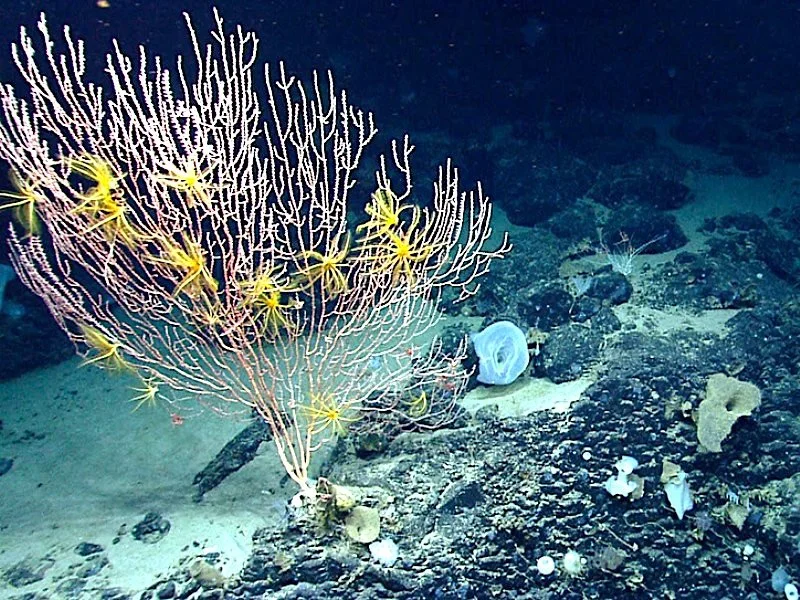
As marine national monuments go, the Northeast Canyons and Seamounts (NEC&S) Marine National Monument proclaimed by President Obama in 2016 is rather puny. Yes, it’s comparable to the size of Connecticut, but Connecticut, after all, is the forty-eighth largest state. President Obama generally went big with marine national monuments before he went home, but not in this case. Why not?
The Trump Administration Takes Out 17 International Biosphere Reserves
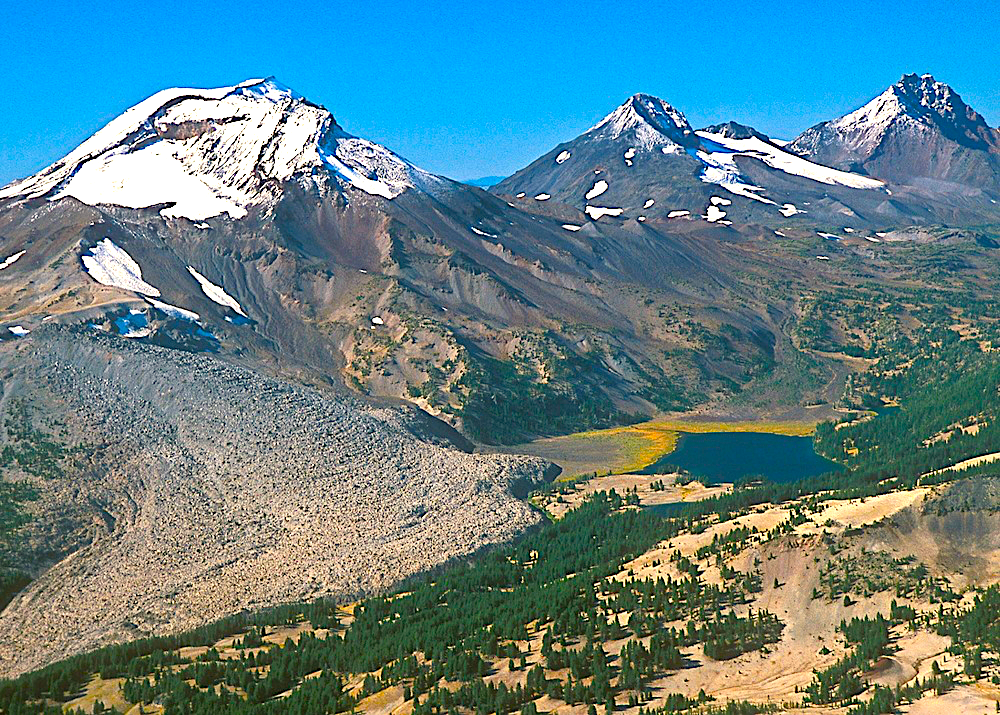
The Three Sisters, individually known today as South Sister, Middle Sister and North Sister, and in early days as Faith, Hope and Charity. The 283,630-acre Three Sisters Wilderness is still a unit of the National Wilderness Preservation System, but is no longer a unit of the World Network of Biosphere Reserves.
Federal Systems for the Conservation and Enjoyment of Lands and Waters
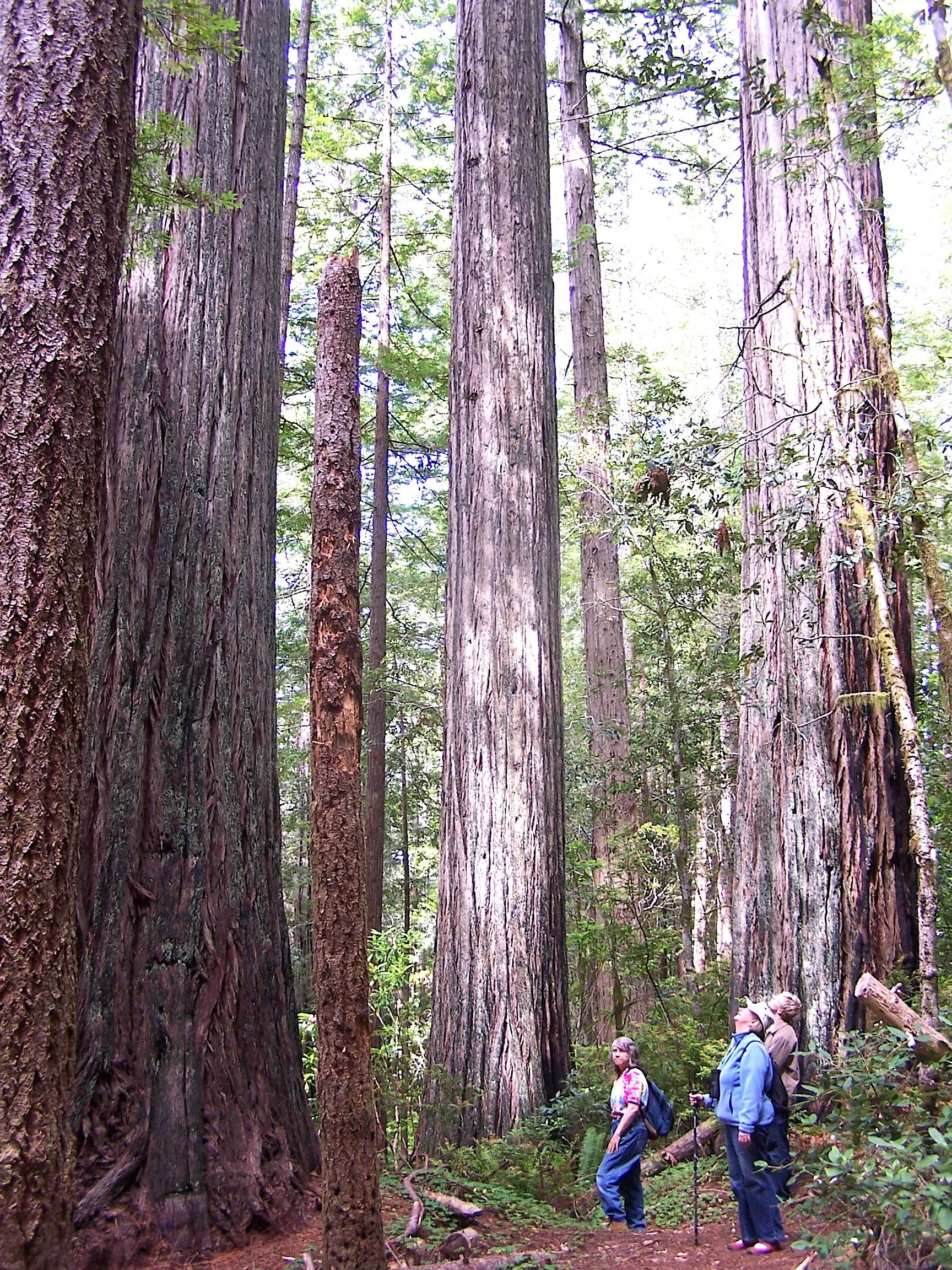
Over the course of more than a century, Congress—or the executive branch using expressed authorities granted by Congress—has established various systems for the conservation, management, and enjoyment of federal and other lands and waters. On the whole, these systems are bold, visionary, and remarkable.

The High Cost of Cheap Grazing
It costs more to feed a domestic house cat than to graze domestic livestock on federal public lands. This has generally been the case since the early 1900s, when the federal government first required ranchers to pay a fee for grazing their livestock on millions of acres of federal land, primarily in western states.
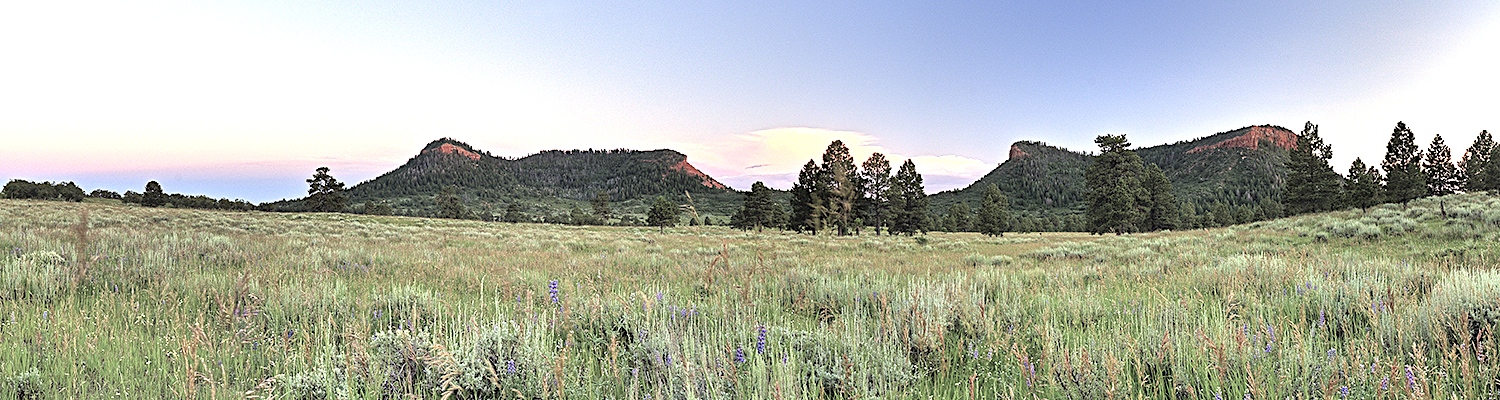
Trump Administration “Review” of Certain National Monuments
Trump’s two immediate predecessors, Democratic President Obama and Republican President Bush, broke records in proclaiming national monuments for this and future generations. By contrast, it’s clear that Trump is no Theodore Roosevelt, who signed the Antiquities Act of 1906 in which Congress granted the power to the president to proclaim national monuments.
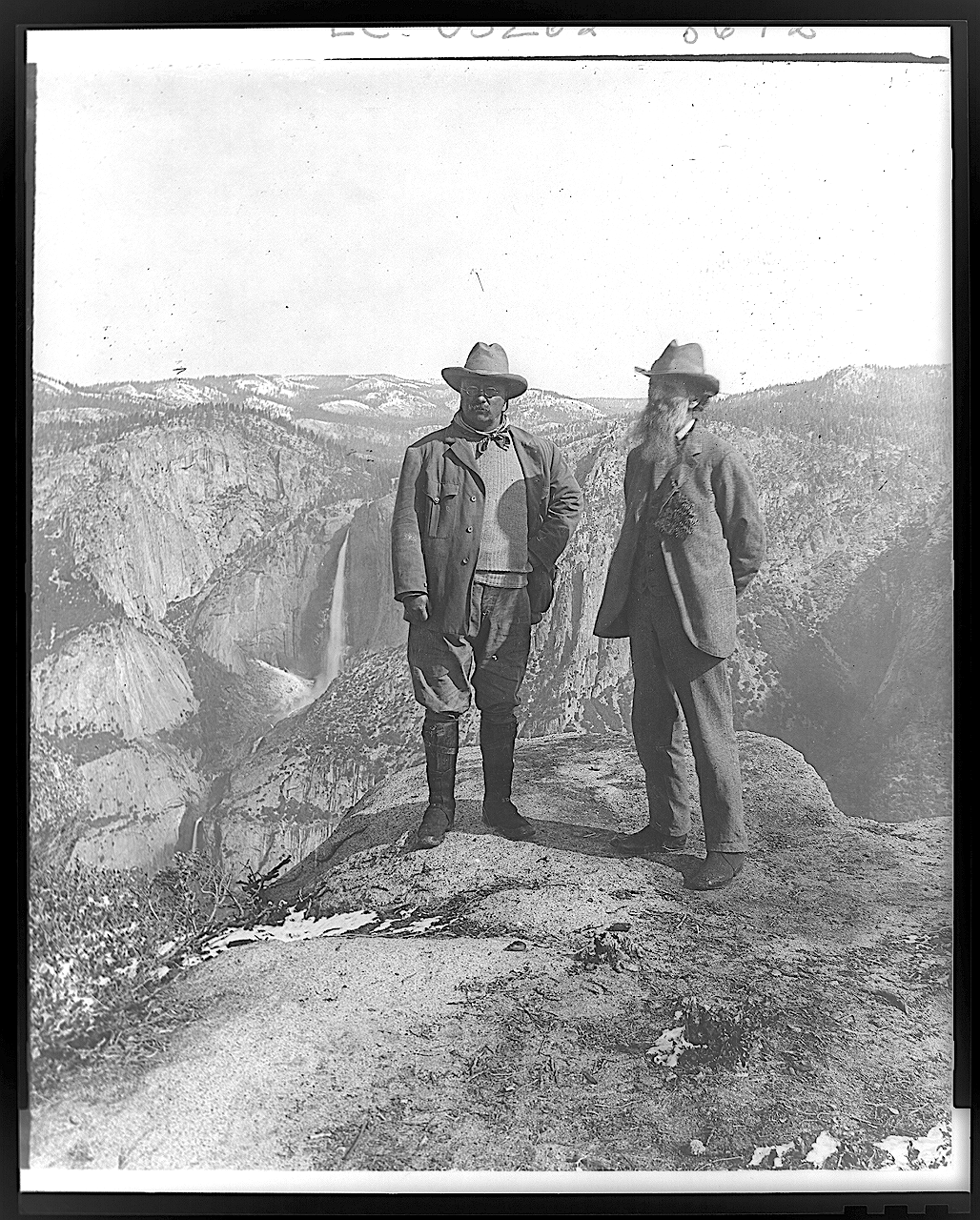
Theodore Roosevelt: The First and Greatest Public Lands Conservationist
The present president doesn’t seem to enjoy the outdoors, unless it is on a great big beautiful golf course. Though the presidential retreat in Maryland does have a modest driving range along with one hole and several tees, don’t bet on Trump spending any time at Camp David, tucked in western Maryland’s forests.

Will Trump Dump National Monuments?
President Trump signed an executive order on April 26, 2017, that directs Secretary of the Interior Ryan Zinke to review sixty-two of the last three presidents’ national monument proclamations, dating back to 1996. Source: Wikipedia
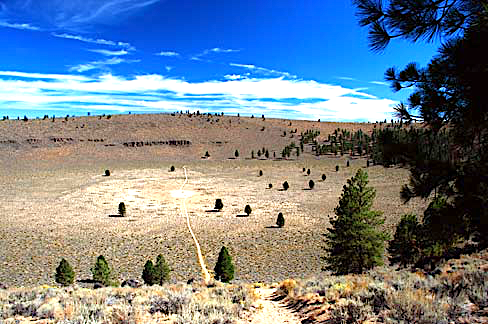
An Unprecedented Assault Upon the Federal Public Lands
Though President Trump has said he “loves” public lands and doesn’t want to sell or give them to states, counties, or private industry, he does favor increased logging, grazing, mining, drilling, and just about anything else bad for these lands.

A Monumental Battle, Part 1: National Monuments in the Courts
National monuments are “proclamations,” not “executive orders.” The president issues executive orders under the faithful execution clause of the Constitution (in Article II, Section 3). A president may expand, revoke, or modify a previous executive order. An executive order and a presidential proclamation under the Antiquities Act are absolutely not one and the same.
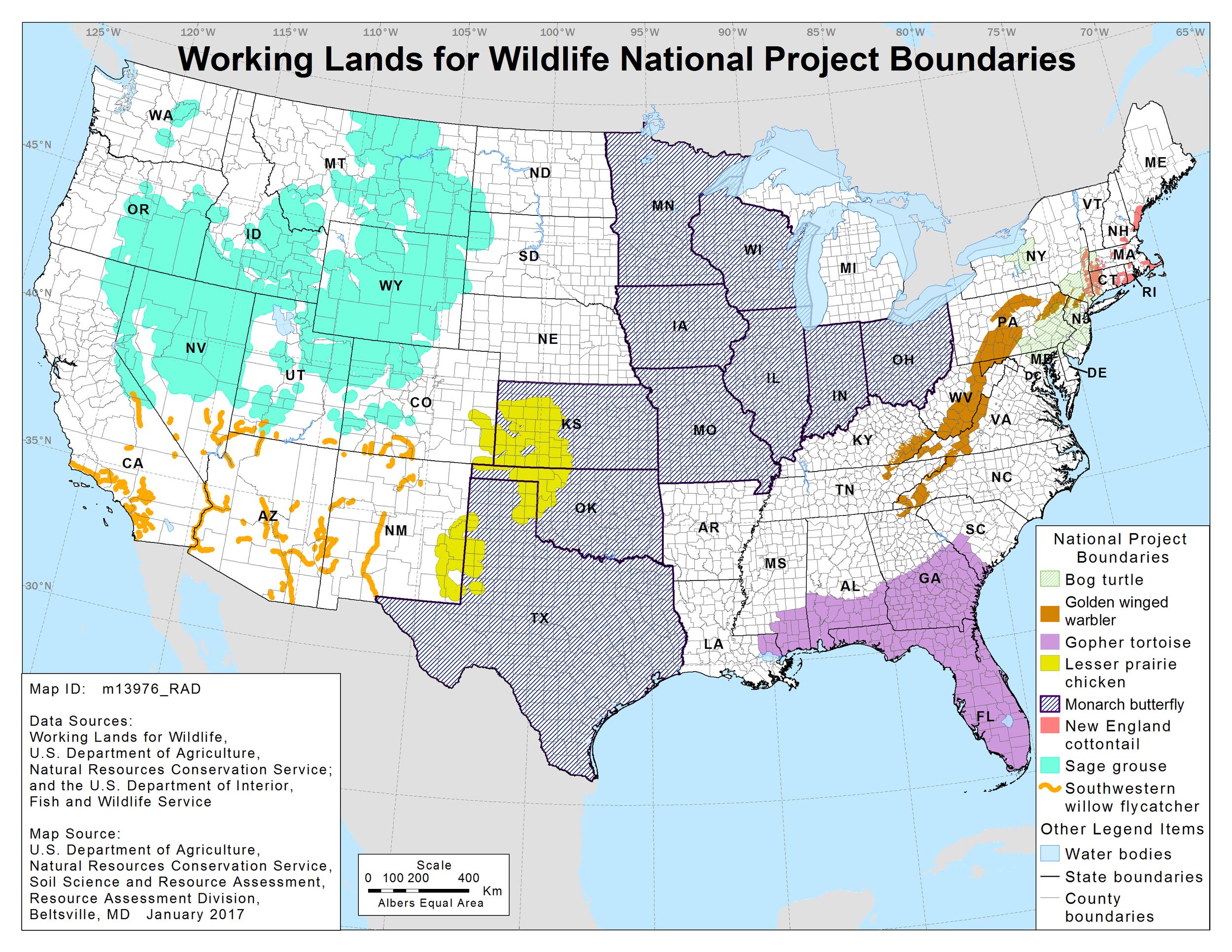
The National Wildlife Refuge System, Part 3: Time to Double Down
During this Trumpian Quadrennium, with a Congress hostile to conservation, the chances of expanding the National Wildlife Refuge System (NWRS) approach zero. Yet the need to double the size of the system has never been greater, so now is the time to start.