Sort By Category
- 30x30
- Administration
- Antiquities Act
- Book Reviews
- Bureau of Land Management
- Climate Change
- Coasts
- Congress
- Counties & Federal Lands
- Courts
- Courts & Litigation
- Department of Agriculture
- Department of Interior
- Deserts
- Ecological Reserves
- Ecosystems
- Elections
- Endangered Species
- Energy
- Estuaries
- Federal Lands
- Fish
- Fish and Wildlife Service
- Forest
- Forest Service
- Forestry
- Forests
- Grasslands
- Land & Water Cons. Fund
- Land & Water Conservation Fund
- Legislation
- Litigation
- Livestock Grazing
- Marine National Monuments
- Marine Protected Areas
- Marine Sanctuaries
- Mature and Old-Growth Forest
- Mining
- Nat'l Conservation Lands
- National Forest System
- National Marine Sanctuaries
- National Monuments
- National Monuments Act
- National Park Service
- National Park System
- National Parks
- National Recreation Area
- National Scenic Area
- National Trails System
- National Wildlife Refuges
Sort By Tag
- 1002 area
- 30x30
- 5th Amendment
- ANWR
- Acadia National Park
- Adam Smith
- Administrative Procedure Act
- Advancing Conservation and Education Act
- Alan Bates
- Alan Deboer
- Alaska
- Alaska National Interest Lands Act
- Alaska Native Claims Settlement Act
- Aldo Leopold
- American Forest Resource Council
- American Prairie Reserve
- American Tree Farm System
- American beef supply
- American black duck
- American woodcock
- Ammon Bundy
- Ancient Forest National Park
- Anders Eskil Carlson
- Andrea Salinas
- Andrew N. Gray
- Andy Kerr
- Animal unit month
- Ansel Adams
- Antiquities Act
- Applegate Primitive Backcountry Area
- Aqua Fria National Monument
- Aquatic Conservation Strategy
- Aquatic Conservation and Riparian Strategy
- Arches National Monument
- Arches National Park
- Arctic National Wildlife Refuge
- Areas of Critical Environmental Concern
- Army Corps of Engineers
- Association of O&C Counties
- Astoria Canyon
- Astoria Fan
- Atlantic Coast
- Augusta Canal NHA
- Avarna Group
- Avi Kaw Ame
- BLM Conservation Rule
- BLM Zone 3 Lands
- BOEM Oregon Planning Area
- Baboquivari Peak Wilderness
- Baker County

National Forests in the Western United States: A Magnificent Start and More to Establish
Until the latter third of the nineteenth century, forests in the United States were considered inexhaustible—not renewable, but inexhaustible. But by the 1880s, with watersheds on public and private lands were being decimated by unrestrained logging and grazing, an emerging conservation movement was beginning to convince the public—and would eventually convince Congress—that something needed to be done.
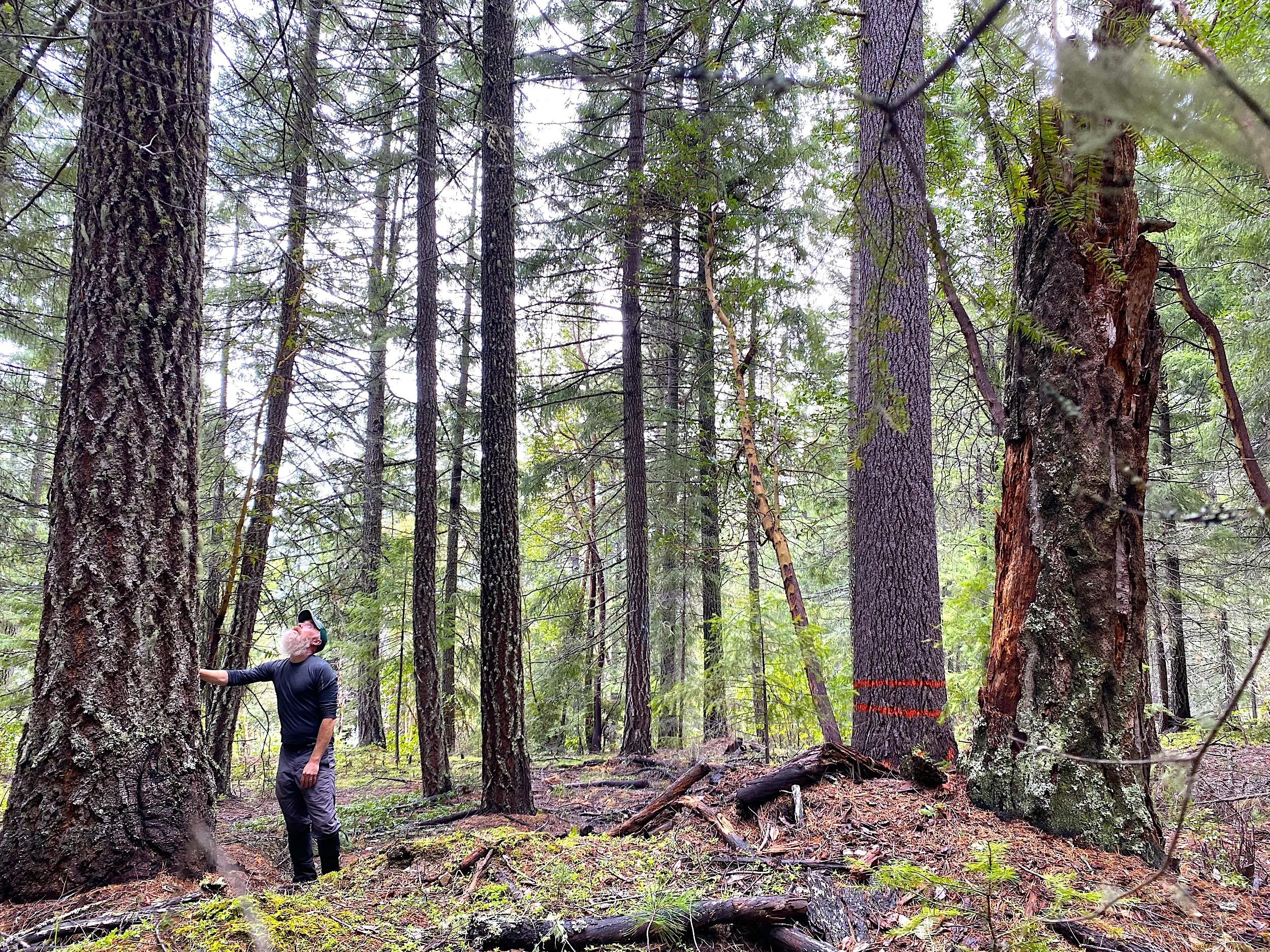
Reigniting the Pacific Northwest Timber Wars by Logging More Old Growth: Bring It On, President Trump!
Big Timber in Oregon is so 20th Century. It used to be that timber jobs were above the state’s median wage; now they are below it. Today, only 1.3 percent of Oregon’s jobs arise from falling trees. That number will continue to decline in relative terms as Oregon’s economy continues to grow, and it will continue to decline in absolute terms as the timber industry continues to automate.
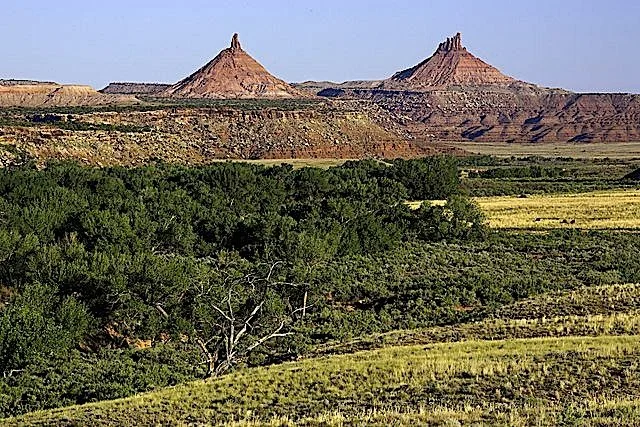
National Monuments: Long-Term National Versus Short-Term Local Interests
Here are some national monuments, quite beloved today, that had strong local opposition at the time of their proclamation: Devil’s Tower, Petrified Forest, Muir Woods, Oregon Caves, Natural Bridges, Dinosaur, White Sands, Caters of the Moon, Lava Beds, Admiralty Island, Cascade-Siskiyou, and Virgin Island Coral Reef.

The November 2016 Election: Processing the Five Stages, Then Moving On
There are those days where one is reminded, by a proverbial kick in the gut, that life is not fair. Such was the day of the general election of November 2016. [Image by Manny Becerra]

Keep It in the Ground
Historically, much of the carbon loading into the atmosphere (which subsequently loads the hydrosphere) came from the biosphere (we used to live on a forested planet). Today, most atmospheric carbon loading comes from the lithosphere—the hard outer layer of Earth—in the form of fossil fuels that are extracted and then burned.

A Public Lands Conservation Agenda for the New President
The climate, the oceans, species, watersheds, ecosystems, landscapes, cultures, and economies that depend on federal public lands all depend upon the 45th president of the United States having a bold public lands conservation agenda.

The Bipolar State of Utah and National Monument Designation
It’s worth summarizing how Utah’s beloved national parks came into being. The general trend is that they were first national monuments proclaimed by far-away presidents, almost always over the opposition of the State of Utah Image by: Fuji Nakama
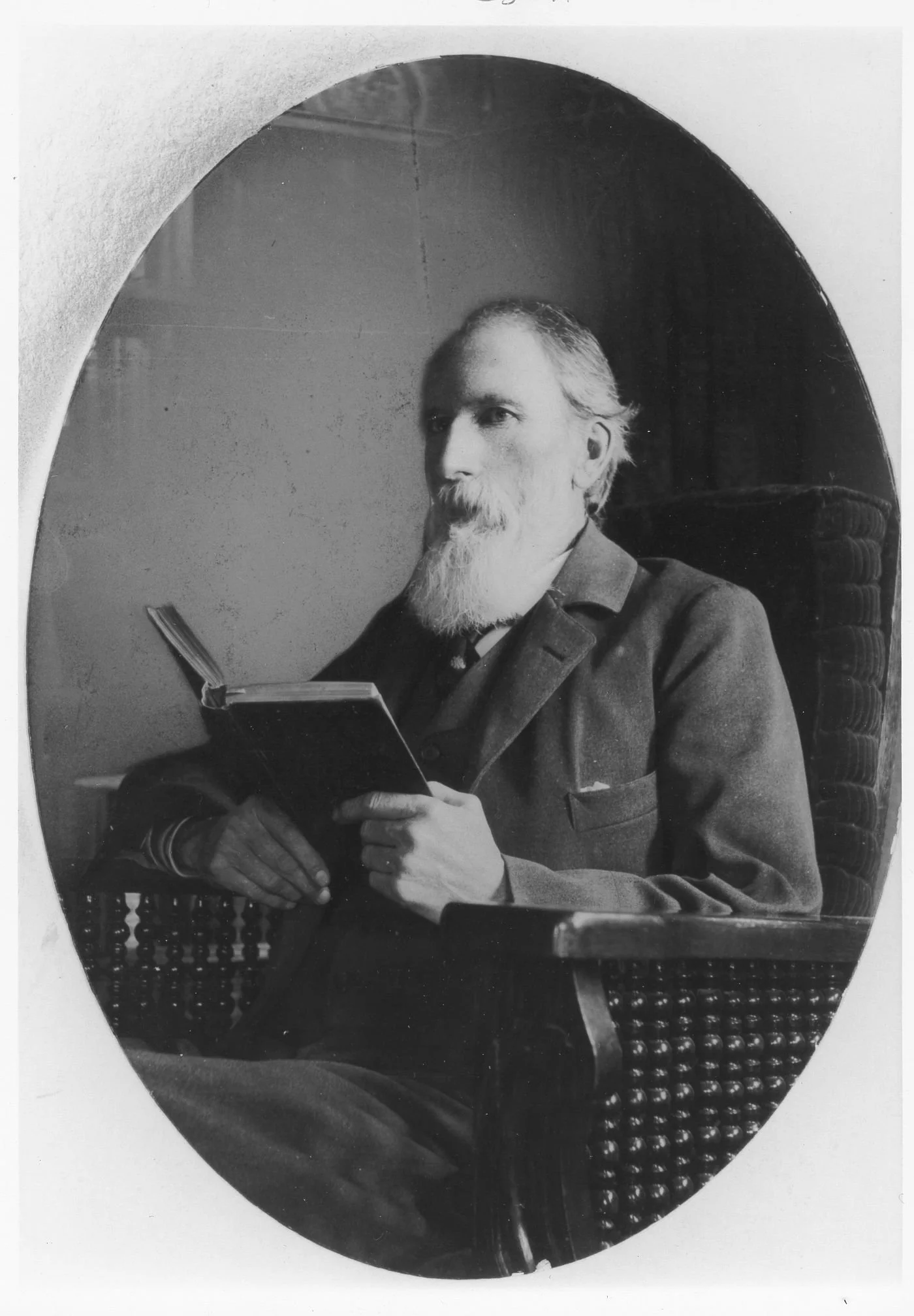
Judge John B. Waldo: Oregon’s John Muir
Republican legislator, lawyer, chief justice, granger, sportsman, conservationist, explorer, and scholar John B. Waldo read and quoted Thoreau, Shakespeare, Emerson, Aurelius, Goethe, and Wordsworth. He made twenty-seven summer sojourns in Oregon’s Cascades.
Federal Public Lands Under Trump or Clinton
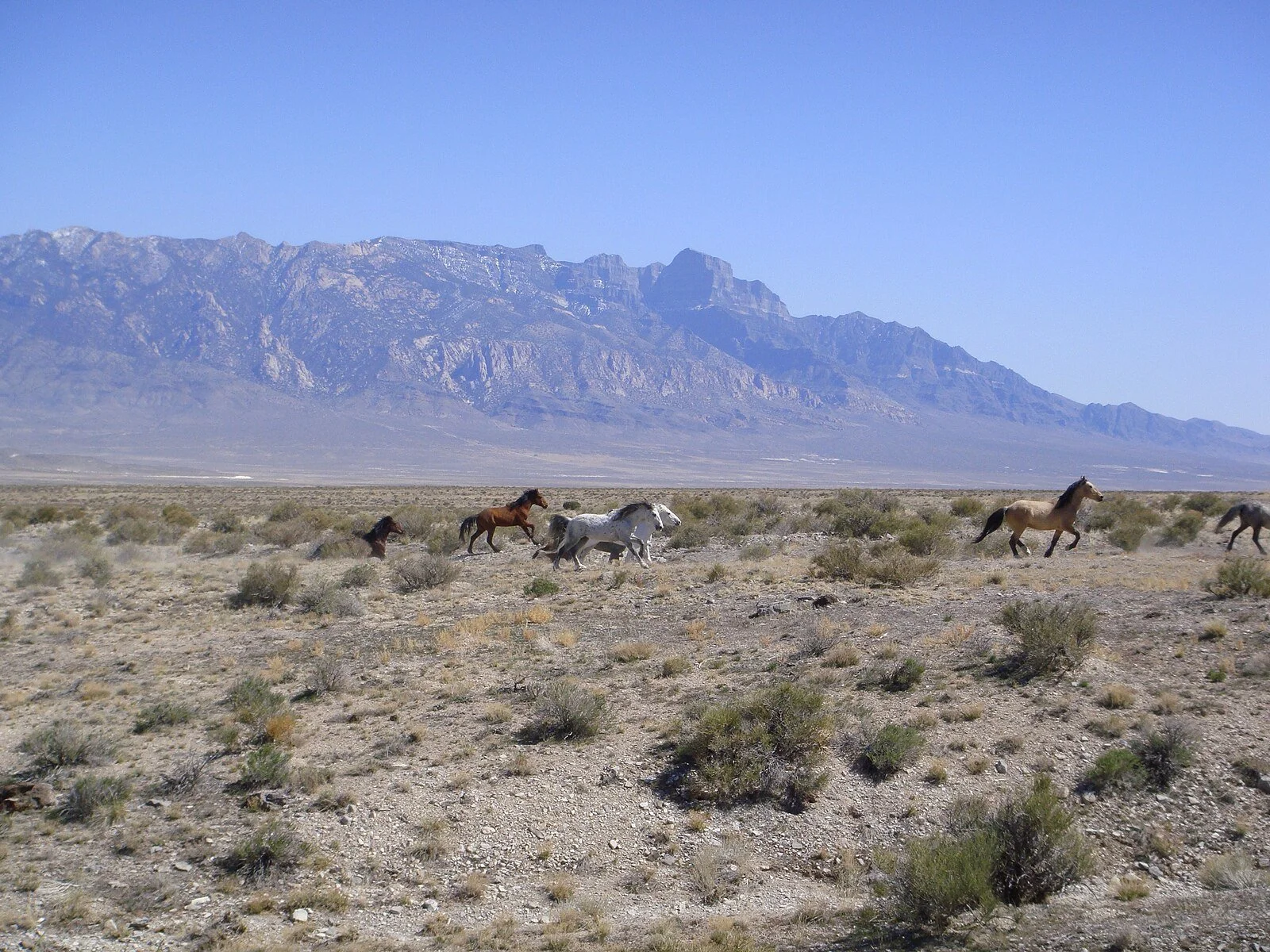
Presidents matter when it comes to federal public lands. Let’s examine the policy positions, party platforms and statements of the two 2016 major party candidates. Image Wikipedia: Wild horses run through Tule Valley, Utah. Notch Peak and the House Range in background.
Presidents and National Monuments Mostly by the Numbers
As presidents near leaving office, more of their thoughts turn to legacy. How will history remember them? Though the history of conservation is but a fraction of the history of the nation, let alone the world, it matters to most presidents. Congress has empowered a president to be able to do great good for the conservation of nature and history for this and future generations.