Sort By Category
- 30x30
- Administration
- Antiquities Act
- Book Reviews
- Bureau of Land Management
- Climate Change
- Climate change
- Coasts
- Congress
- Counties & Federal Lands
- Courts
- Courts & Litigation
- Department of Agriculture
- Department of Interior
- Deserts
- Ecological Reserves
- Ecosystems
- Elections
- Endangered Species
- Energy
- Estuaries
- Federal Lands
- Fish
- Fish and Wildlife Service
- Forest
- Forest Fires
- Forest Service
- Forestry
- Forests
- Grasslands
- Land & Water Cons. Fund
- Land & Water Conservation Fund
- Legislation
- Litigation
- Livestock Grazing
- Marine Protected Areas
- Marine Sanctuaries
- Mature & Old-Growth Forests
- Mature and Old-Growth Foresrts
- Mining
- Nat'l Conservation Lands
- National Forest System
- National Marine Sanctuaries
- National Monuments
- National Monuments Act
- National Park Service
- National Park System
- National Parks
- National Recreation Area
- National Scenic Area
Sort By Tag
- 1002 area
- 30x30
- 5th Amendment
- ANWR
- Acadia National Park
- Adam Smith
- Administrative Procedure Act
- Advancing Conservation and Education Act
- Alan Bates
- Alan Deboer
- Alaska
- Alaska National Interest Lands Act
- Alaska Native Claims Settlement Act
- Aldo Leopold
- American Forest Resource Council
- American Prairie Reserve
- American Tree Farm System
- American beef supply
- American black duck
- American woodcock
- Ammon Bundy
- Ancient Forest National Park
- Anders Eskil Carlson
- Andrea Salinas
- Andrew N. Gray
- Andy Kerr
- Animal unit month
- Ansel Adams
- Antiquities Act
- Applegate Primitive Backcountry Area
- Aqua Fria National Monument
- Aquatic Conservation Strategy
- Aquatic Conservation and Riparian Strategy
- Arches National Monument
- Arches National Park
- Arctic National Wildlife Refuge
- Areas of Critical Environmental Concern
- Army Corps of Engineers
- Association of O&C Counties
- Astoria Canyon
- Astoria Fan
- Atlantic Coast
- Augusta Canal NHA
- Avarna Group
- Avi Kaw Ame
- BLM Conservation Rule
- BLM Zone 3 Lands
- BOEM Oregon Planning Area
- Baboquivari Peak Wilderness
- Baker County
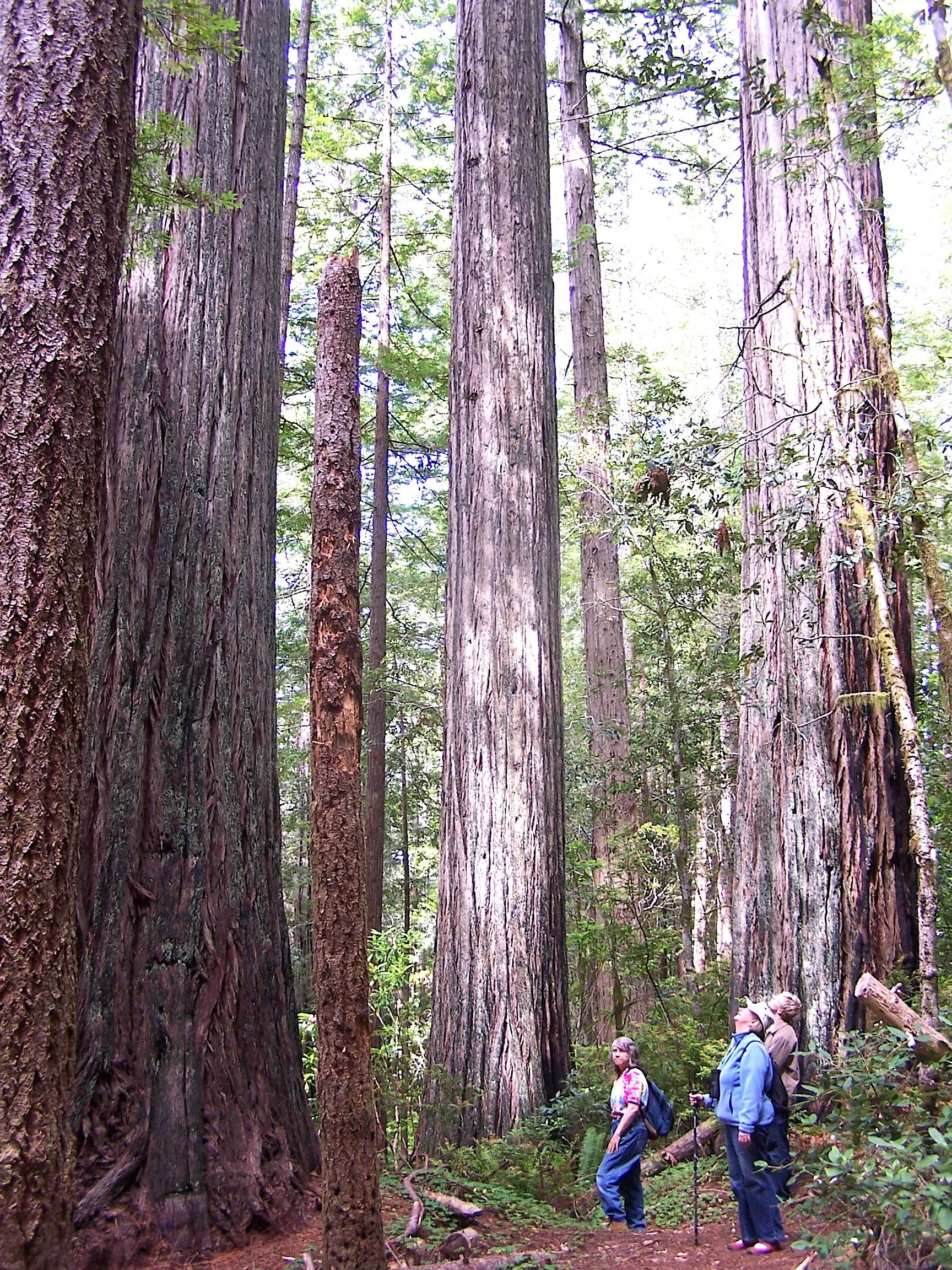
Federal Systems for the Conservation and Enjoyment of Lands and Waters
Over the course of more than a century, Congress—or the executive branch using expressed authorities granted by Congress—has established various systems for the conservation, management, and enjoyment of federal and other lands and waters. On the whole, these systems are bold, visionary, and remarkable.

Federal Payments to Timber-Addicted Counties
Until the first judicial injunctions brought most logging of northern spotted owl habitat to a halt, the monies came mostly from the sale of old-growth forest. These forests were being logged at a rate of more than three square miles each week on federal public forestlands in Oregon

The High Cost of Cheap Grazing
It costs more to feed a domestic house cat than to graze domestic livestock on federal public lands. This has generally been the case since the early 1900s, when the federal government first required ranchers to pay a fee for grazing their livestock on millions of acres of federal land, primarily in western states.
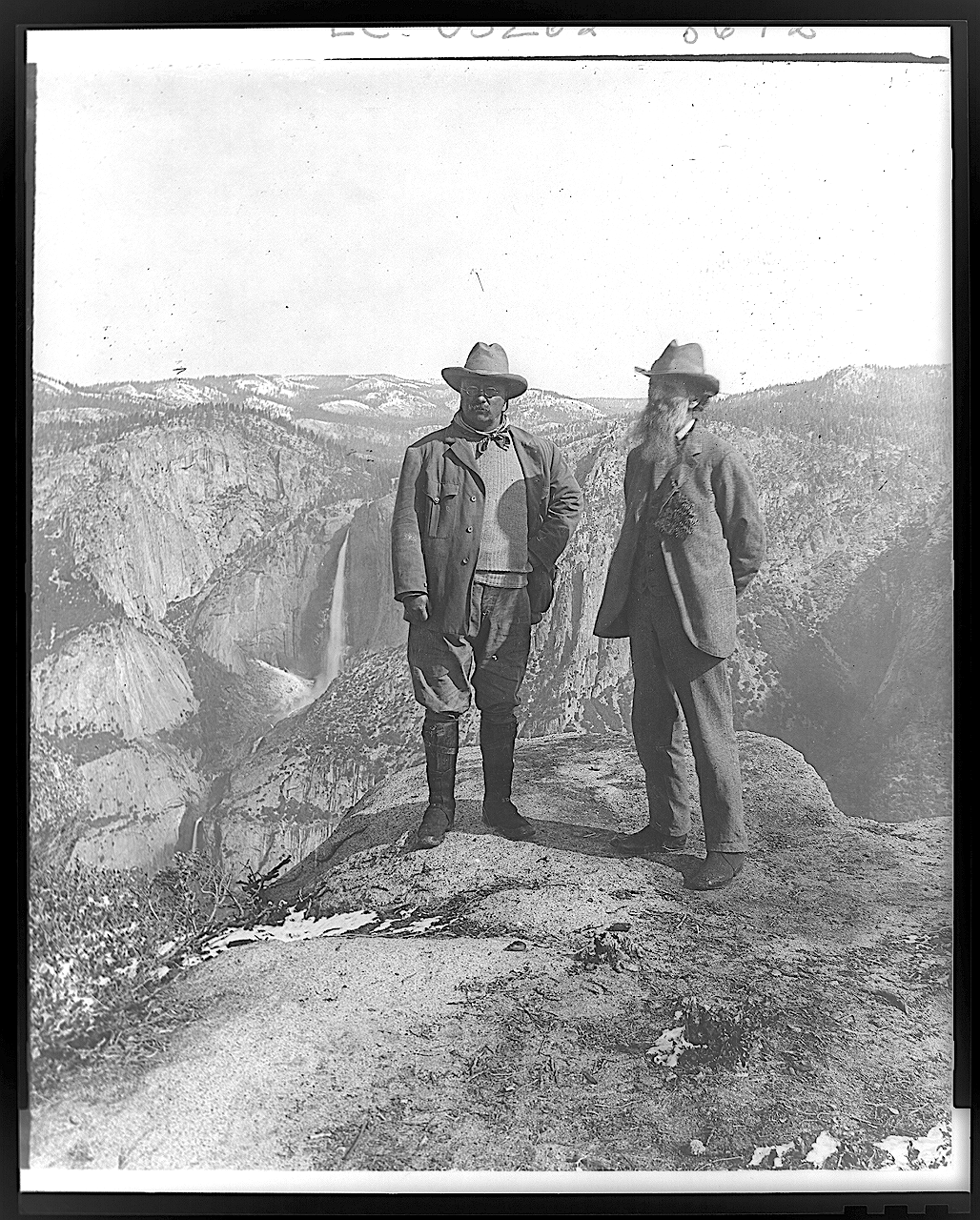
Theodore Roosevelt: The First and Greatest Public Lands Conservationist
The present president doesn’t seem to enjoy the outdoors, unless it is on a great big beautiful golf course. Though the presidential retreat in Maryland does have a modest driving range along with one hole and several tees, don’t bet on Trump spending any time at Camp David, tucked in western Maryland’s forests.
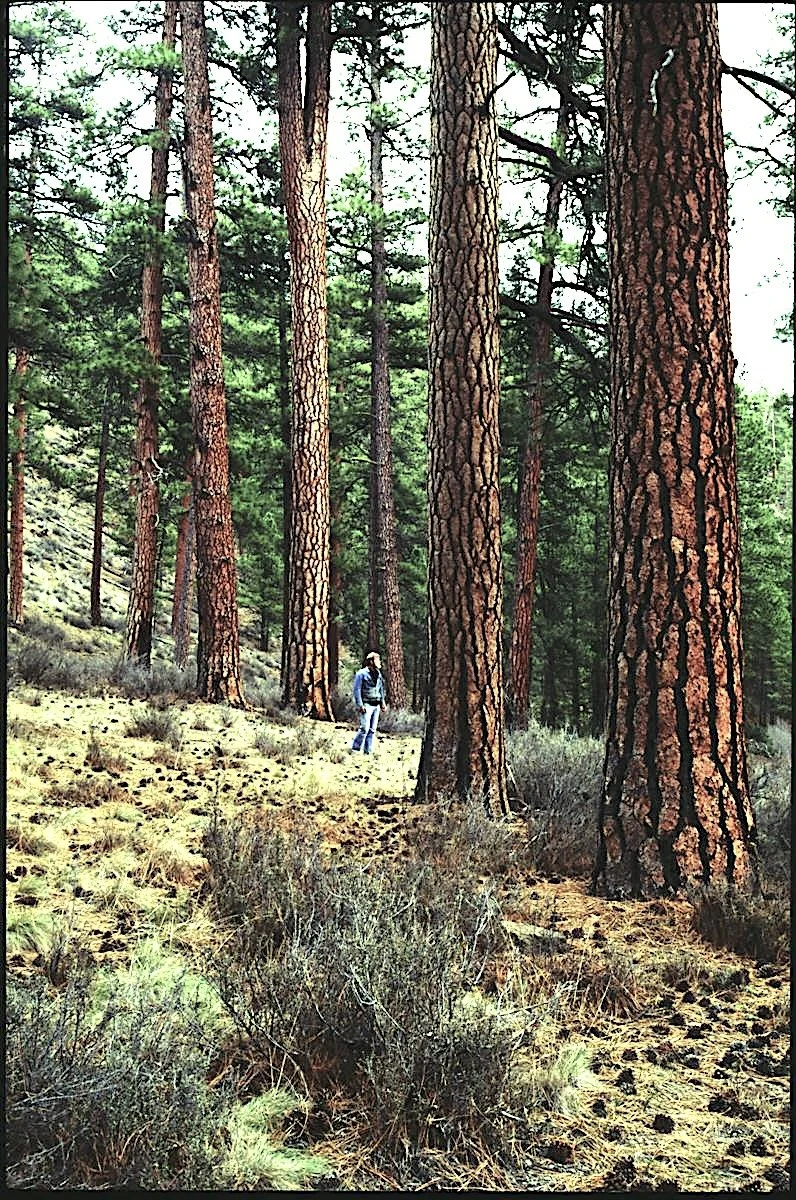
Wilderness: Expanding Concept, Shrinking Supply
Limits have been considered on visitors to Oregon’s Mount Hood Wilderness and Washington’s Alpine Lakes Wilderness, which are within easy reach of the Portland and Puget Sound metropolitan areas. In some cases, the Forest Service has contemplated visitor reductions as large as 60 and 90 percent. Such limits are already common on popular floating rivers including the Rogue and the Colorado.
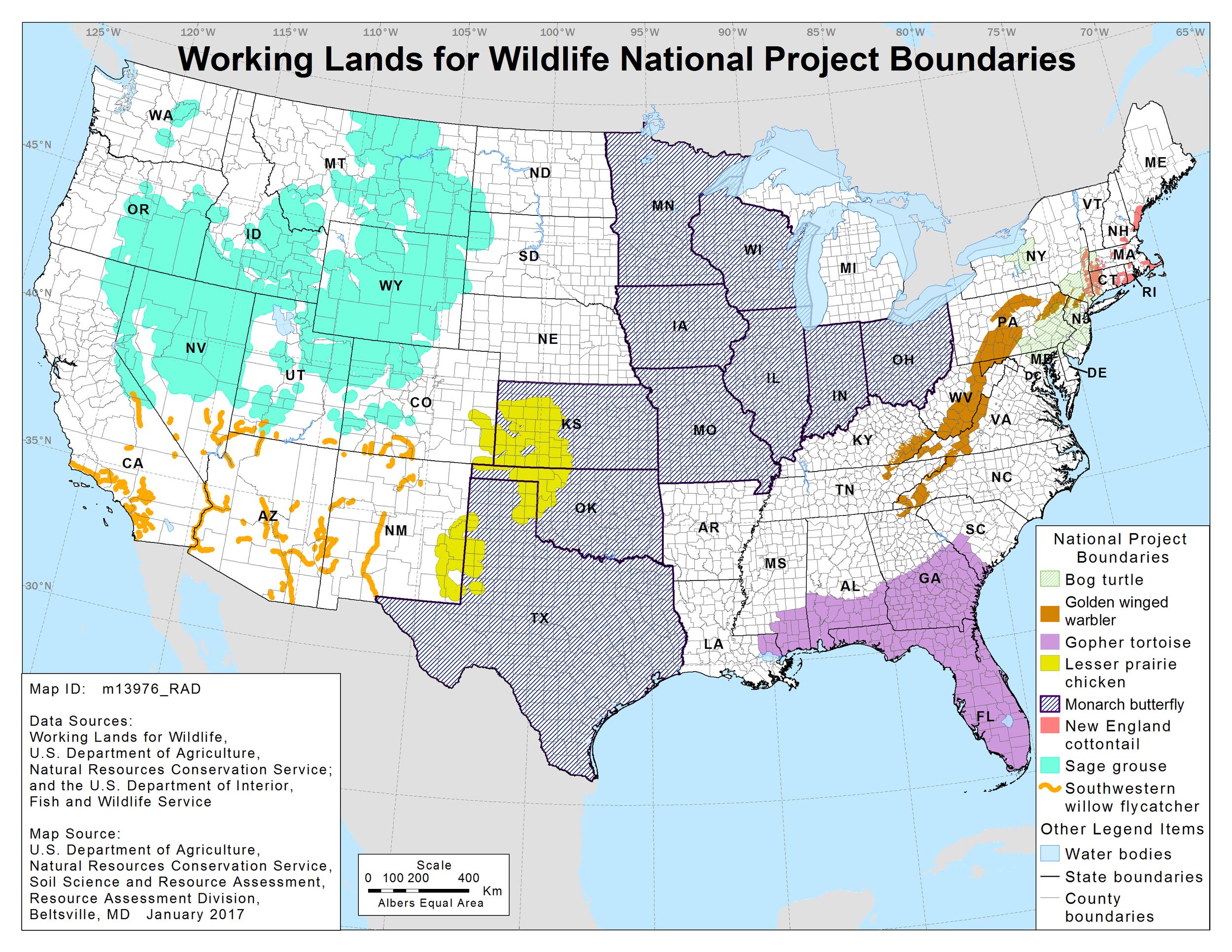
The National Wildlife Refuge System, Part 3: Time to Double Down
During this Trumpian Quadrennium, with a Congress hostile to conservation, the chances of expanding the National Wildlife Refuge System (NWRS) approach zero. Yet the need to double the size of the system has never been greater, so now is the time to start.
Privatizing Federal Public Lands in Western Oregon
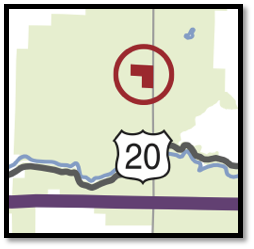
Following are seven examples of high-public-value BLM Zone 3 lands in western Oregon that should be reclassified or transferred. The parcels in question are shown on the map segments to the left of their descriptions. I’m confident that a similar analysis of BLM eastern Oregon lands will yield similar examples.

National Forests in the Western United States: A Magnificent Start and More to Establish
Until the latter third of the nineteenth century, forests in the United States were considered inexhaustible—not renewable, but inexhaustible. But by the 1880s, with watersheds on public and private lands were being decimated by unrestrained logging and grazing, an emerging conservation movement was beginning to convince the public—and would eventually convince Congress—that something needed to be done.

Converting Private Timberlands Back to Public Forestlands
History has shown we cannot rely on the private sector to conserve forests, protect drinking water, and provide other public values, including wildlife habitat, recreation opportunities, and scenic views. The private values of timberlands are in conflict with these public values and are driven by a desire to maximize profit, return on investment, and net present value.
National Forests in the Eastern United States: An Incomplete Legacy
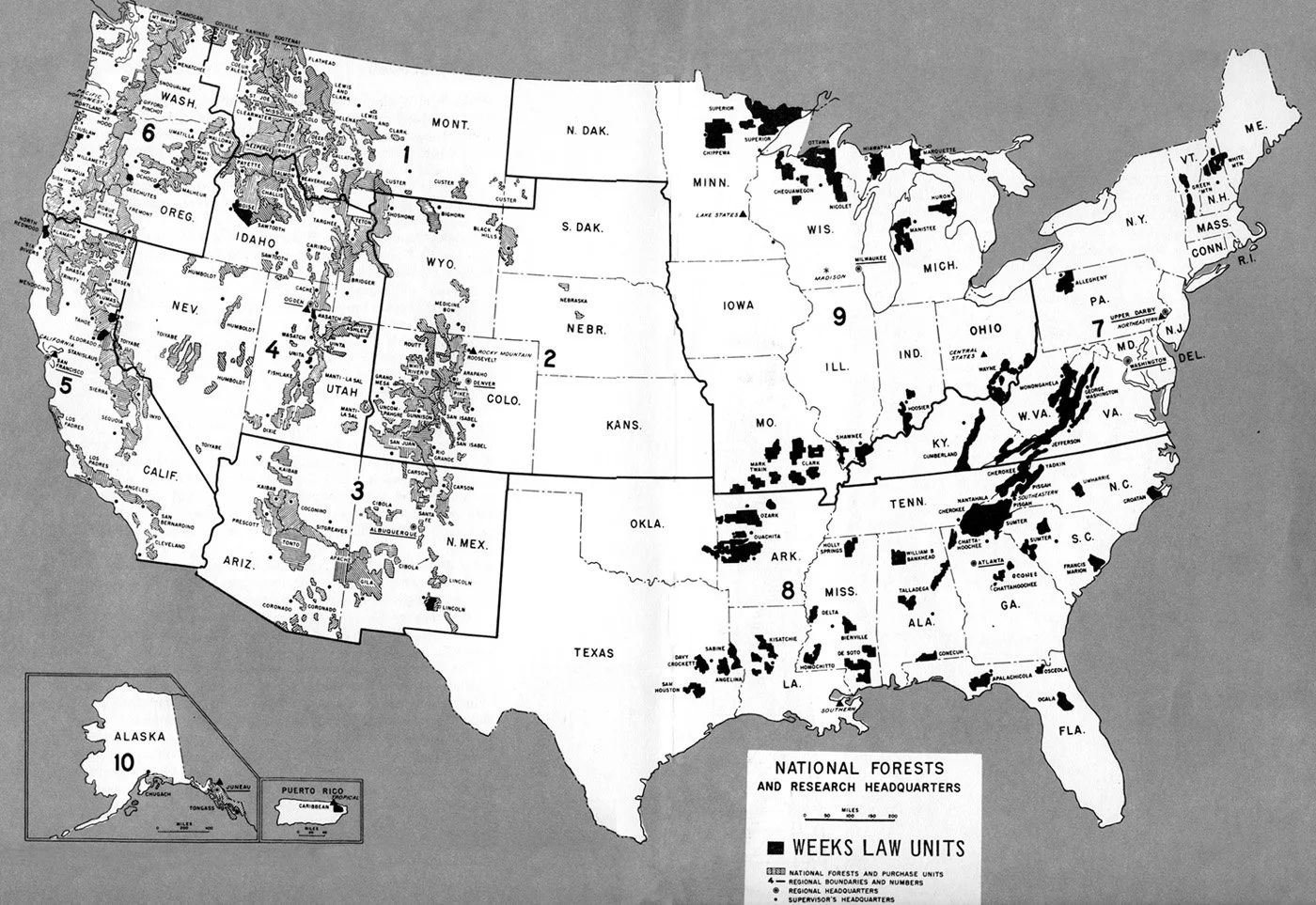
Take a gander at your favorite statewide maps, on paper or in Google Maps, and you may be left with the impression that those green polygons labeled National Forest are indeed solid expanses of national forest. In the West and Alaska, mostly yes; in the East, not so much.
Reigniting the Pacific Northwest Timber Wars by Logging More Old Growth: Bring It On, President Trump!
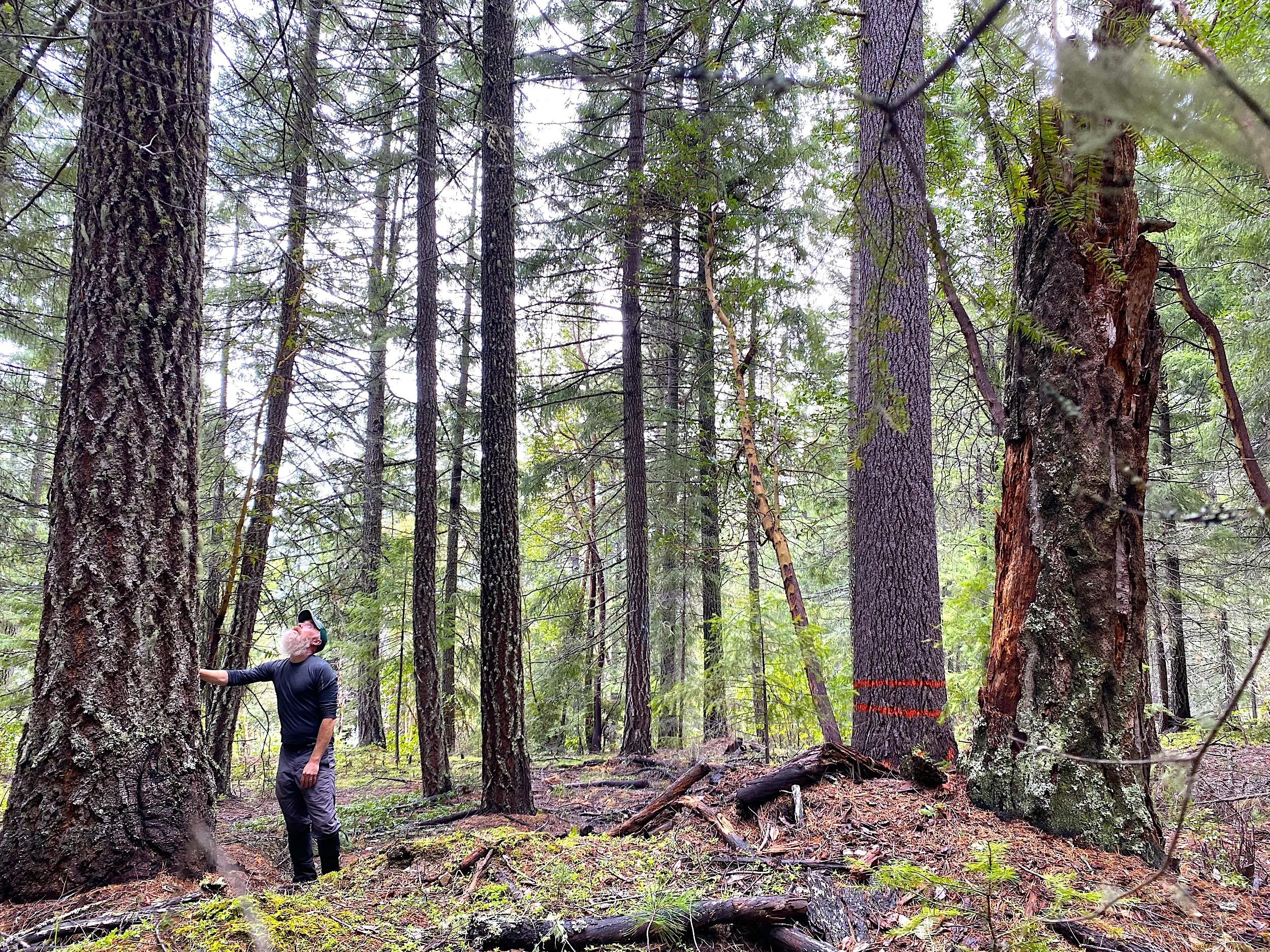
Big Timber in Oregon is so 20th Century. It used to be that timber jobs were above the state’s median wage; now they are below it. Today, only 1.3 percent of Oregon’s jobs arise from falling trees. That number will continue to decline in relative terms as Oregon’s economy continues to grow, and it will continue to decline in absolute terms as the timber industry continues to automate.
A Congressional Conservation Agenda for the Twenty-First Century
Though we’ve burned through one-sixth of the current century, Congress has yet to enact any sweeping and bold public lands conservation legislation in the new millennium. There’s still time though, and a crying need.

A Public Lands Conservation Agenda for the New President
The climate, the oceans, species, watersheds, ecosystems, landscapes, cultures, and economies that depend on federal public lands all depend upon the 45th president of the United States having a bold public lands conservation agenda.
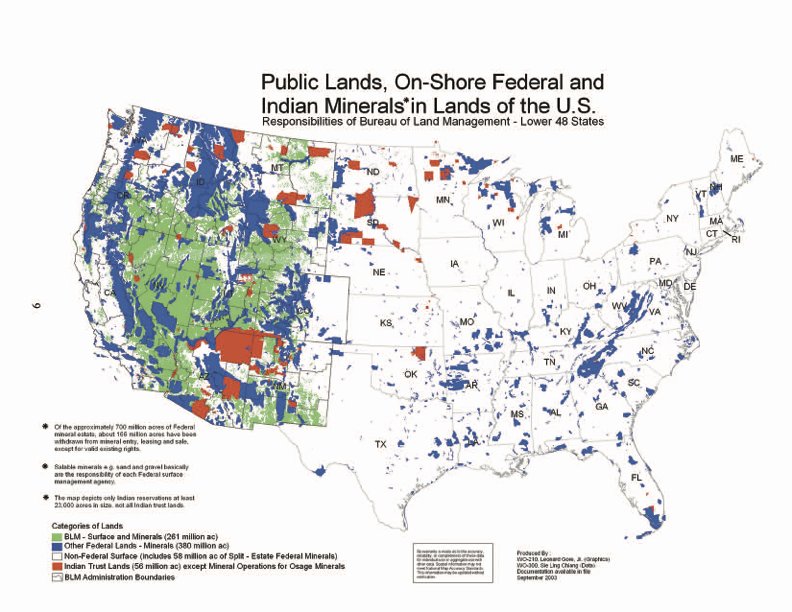
A National Desert and Grassland System
Even today, one can drive across the American West and view literally millions of acres of federal public lands under the jurisdiction of the Bureau of Land Management (BLM) without even knowing it

Abolish the BLM and Replace It with a U.S. Desert and Grassland Service
The BLM has jurisdiction over 264 million surface acres of federal public land in thirty-three states, which is approximately 11 percent of the total surface acreage of these United States. The majority of BLM holdings are in the eleven western states and Alaska. The BLM also manages nearly 700 million acres of federal subsurface mineral estate.

The Bipolar State of Utah and National Monument Designation
It’s worth summarizing how Utah’s beloved national parks came into being. The general trend is that they were first national monuments proclaimed by far-away presidents, almost always over the opposition of the State of Utah Image by: Fuji Nakama
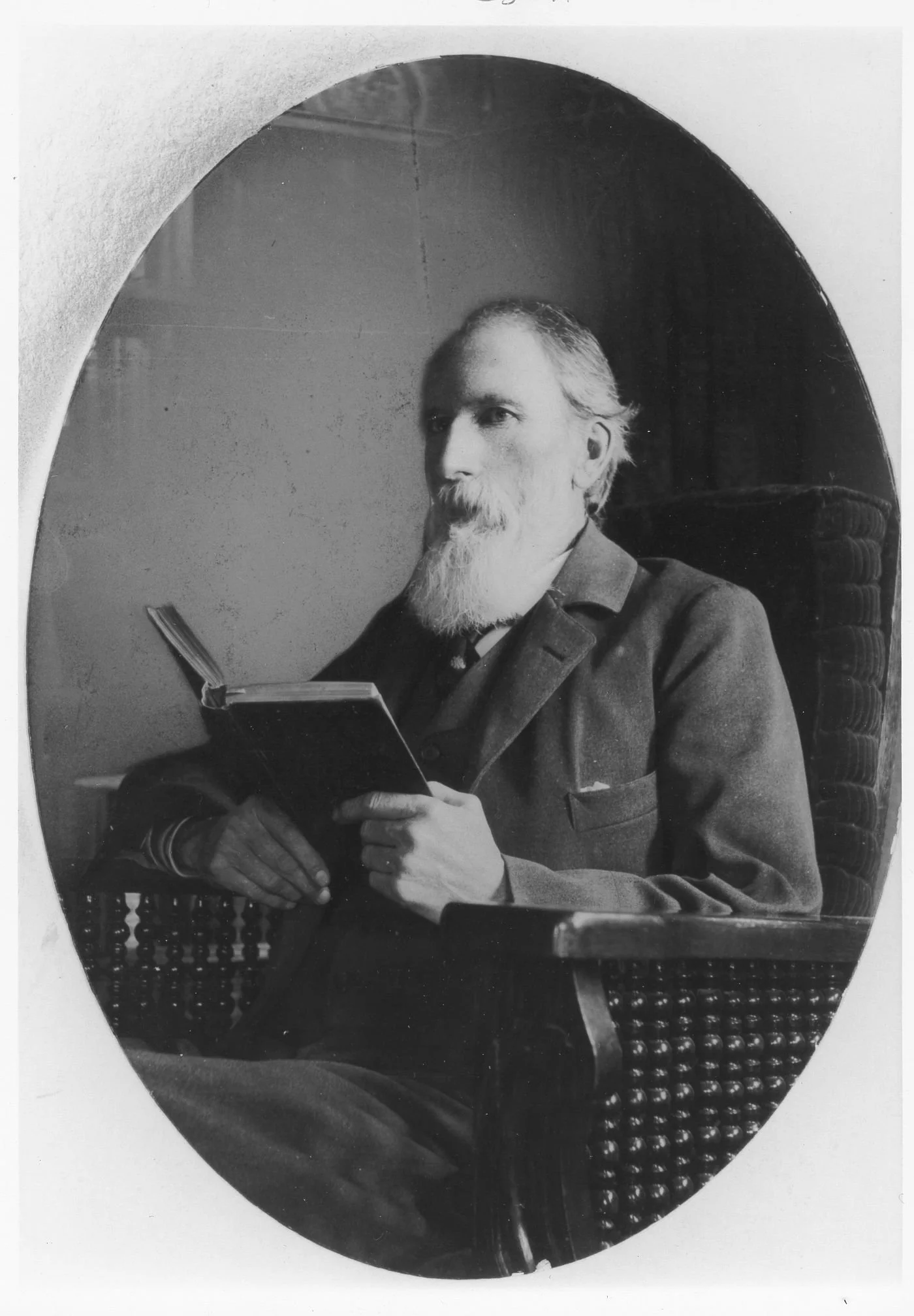
Judge John B. Waldo: Oregon’s John Muir
Republican legislator, lawyer, chief justice, granger, sportsman, conservationist, explorer, and scholar John B. Waldo read and quoted Thoreau, Shakespeare, Emerson, Aurelius, Goethe, and Wordsworth. He made twenty-seven summer sojourns in Oregon’s Cascades.

A National System of National Recreation Areas
With declining commodity industries and a growing outdoor recreation industry—as well as increased concern for watersheds, ecosystems, and native species—it’s time for a 21st-century management structure for the nation’s national forests.
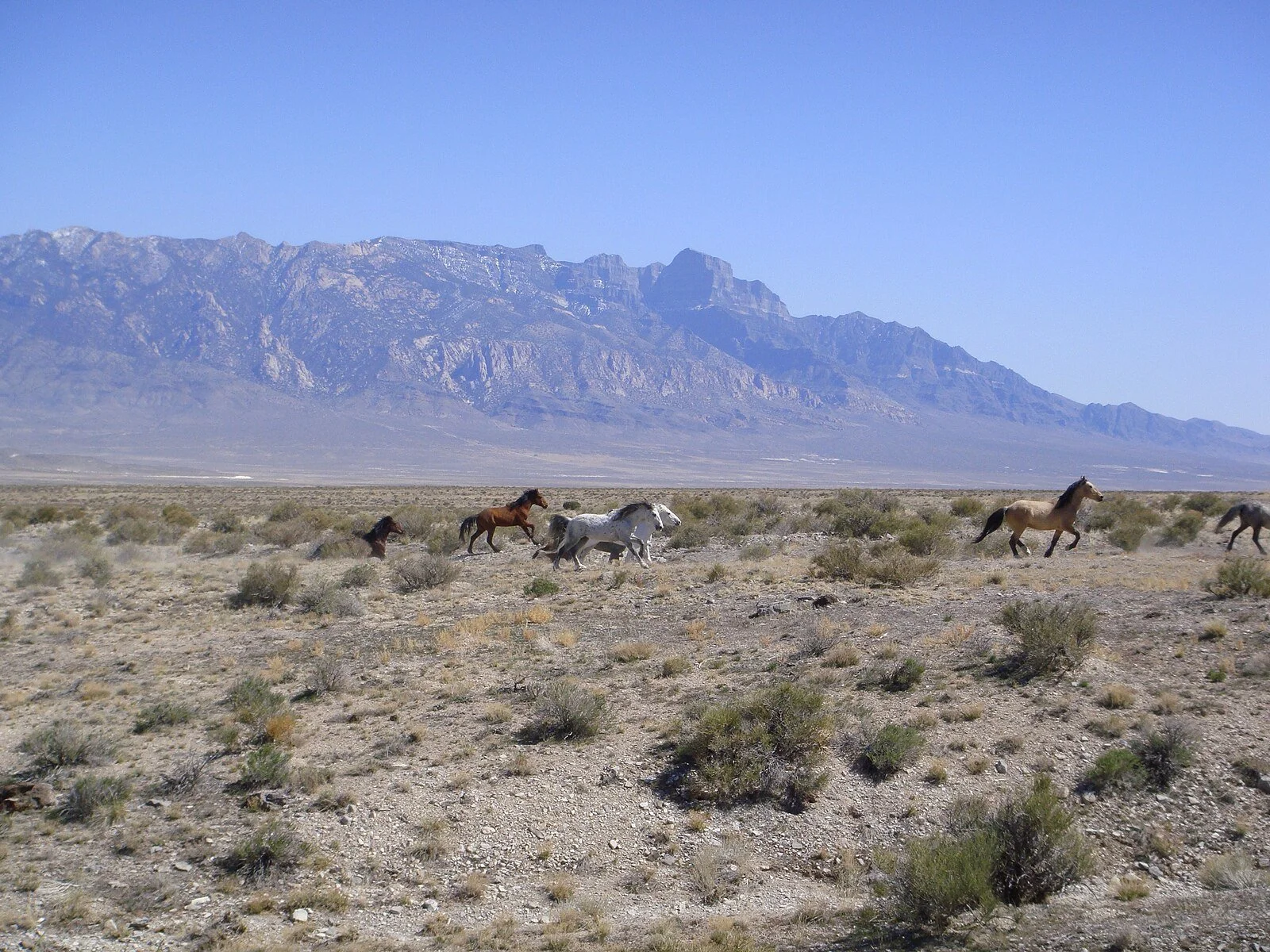
Federal Public Lands Under Trump or Clinton
Presidents matter when it comes to federal public lands. Let’s examine the policy positions, party platforms and statements of the two 2016 major party candidates. Image Wikipedia: Wild horses run through Tule Valley, Utah. Notch Peak and the House Range in background.

Public Lands in the United States
The Merriam-Webster definition of “public land” encapsulates the broadest and the narrowest definitions: “land owned by a government; specifically: that part of the United States public domain subject to sale or disposal under the homestead laws.”