Sort By Category
- 30x30
- Administration
- Antiquities Act
- Book Reviews
- Bureau of Land Management
- Climate Change
- Climate change
- Coasts
- Congress
- Counties & Federal Lands
- Courts
- Courts & Litigation
- Department of Agriculture
- Department of Interior
- Deserts
- Ecological Reserves
- Ecosystems
- Elections
- Endangered Species
- Energy
- Estuaries
- Federal Lands
- Fish
- Fish and Wildlife Service
- Forest
- Forest Fires
- Forest Service
- Forestry
- Forests
- Grasslands
- Land & Water Cons. Fund
- Land & Water Conservation Fund
- Legislation
- Litigation
- Livestock Grazing
- Marine Protected Areas
- Marine Sanctuaries
- Mature & Old-Growth Forests
- Mature and Old-Growth Foresrts
- Mining
- Nat'l Conservation Lands
- National Forest System
- National Marine Sanctuaries
- National Monuments
- National Monuments Act
- National Park Service
- National Park System
- National Parks
- National Recreation Area
- National Scenic Area
Sort By Tag
- 1002 area
- 30x30
- 5th Amendment
- ANWR
- Acadia National Park
- Adam Smith
- Administrative Procedure Act
- Advancing Conservation and Education Act
- Alan Bates
- Alan Deboer
- Alaska
- Alaska National Interest Lands Act
- Alaska Native Claims Settlement Act
- Aldo Leopold
- American Forest Resource Council
- American Prairie Reserve
- American Tree Farm System
- American beef supply
- American black duck
- American woodcock
- Ammon Bundy
- Ancient Forest National Park
- Anders Eskil Carlson
- Andrea Salinas
- Andrew N. Gray
- Andy Kerr
- Animal unit month
- Ansel Adams
- Antiquities Act
- Applegate Primitive Backcountry Area
- Aqua Fria National Monument
- Aquatic Conservation Strategy
- Aquatic Conservation and Riparian Strategy
- Arches National Monument
- Arches National Park
- Arctic National Wildlife Refuge
- Areas of Critical Environmental Concern
- Army Corps of Engineers
- Association of O&C Counties
- Astoria Canyon
- Astoria Fan
- Atlantic Coast
- Augusta Canal NHA
- Avarna Group
- Avi Kaw Ame
- BLM Conservation Rule
- BLM Zone 3 Lands
- BOEM Oregon Planning Area
- Baboquivari Peak Wilderness
- Baker County

Amending the Eastside Screens, Part 2: The Science of Management and the Management of Science
This is the second of what were to be two but now are three Public Lands Blog posts that consider the desire of the Forest Service to amend a provision of the “Eastside Screens,” standards designed to protect public forests east of the Cascade Range. Part 1 examined the history, science, and politics leading up to the adoption of the Eastside Screens and their implementation since then. Part 2 explores issues both of management and of the science behind the management. Part 3 will suggest what the Forest Service could do to improve the Eastside Screens, in both the short and long term.

Amending the Eastside Screens, Part 1: A Quarter Century of “Interim” Management
This is the first of two Public Lands Blog posts that consider the desire of the Forest Service to amend a provision of the “Eastside Screens,” standards designed to protect public forests east of the Cascade Range. Part 1 examines the history, science, and politics leading up to the adoption of the Eastside Screens and their implementation since then. Part 2 will suggest what the Forest Service could do to improve the Eastside Screens, in both the short and long term.

Udall-Heinrich Bill Would Emasculate the Wild and Scenic Rivers Act
Legislation introduced by New Mexico’s two Democratic US senators would severely undermine the integrity of the National Wild and Scenic Rivers System (NWSRS). Yes, S.3670 has some good provisions, but it also has some bad and downright ugly provisions.
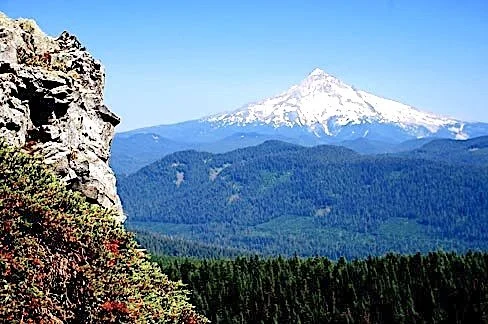
Conserving and Restoring the Mount Hood National Forest
There stood Mount Hood in all the glory of the alpenglow, looming immensely high, beaming with intelligence. It seemed neither near nor far. The whole mountain appeared as one glorious manifestation of divine power, enthusiastic and benevolent, glowing like a countenance with ineffable repose and beauty, before which we could only gaze in lowly admiration. —John Muir (1888)
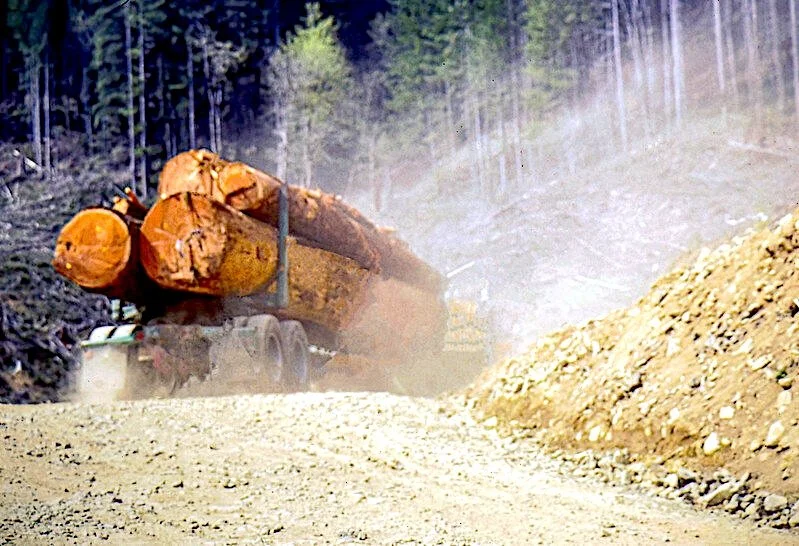
Another Northwest Forest War in the Offing? Part 2: Current Threats and Perhaps an Epic Opportunity
This is the second of two Public Lands Blog posts that examine the management (and mismanagement) of more than 2 million acres of federal forestlands in western Oregon, administered by the Bureau of Land Management. Part 1 examined the history of rampant clear-cutting of old-growth forests and vast windfalls of revenues to local counties as a result. Part 2 examines the current threats to these public lands from the timber industry and local counties, and the opportunity that could present itself to secure permanent comprehensive congressional conservation of these imperiled lands.
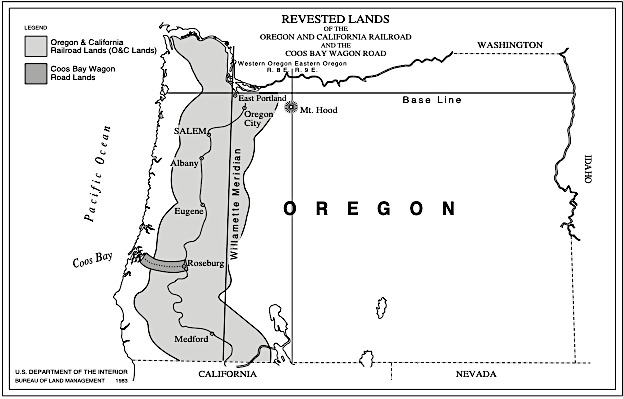
Another Northwest Forest War in the Offing? Part 1: A Sordid Tale of Environmental Destruction, Greed, and Political Malfeasance
This is the first of two Public Lands Blog posts that examine the management (and mismanagement) of more than 2 million acres of federal forestlands in western Oregon, administered by the Bureau of Land Management. Part 1 examines the history of rampant clear-cutting of old-growth forests and vast windfalls of revenues to local counties as a result. Part 2 will examine the current threats to these public lands from the timber industry and local counties, and the opportunity that could present itself to secure permanent comprehensive congressional conservation of these imperiled lands.
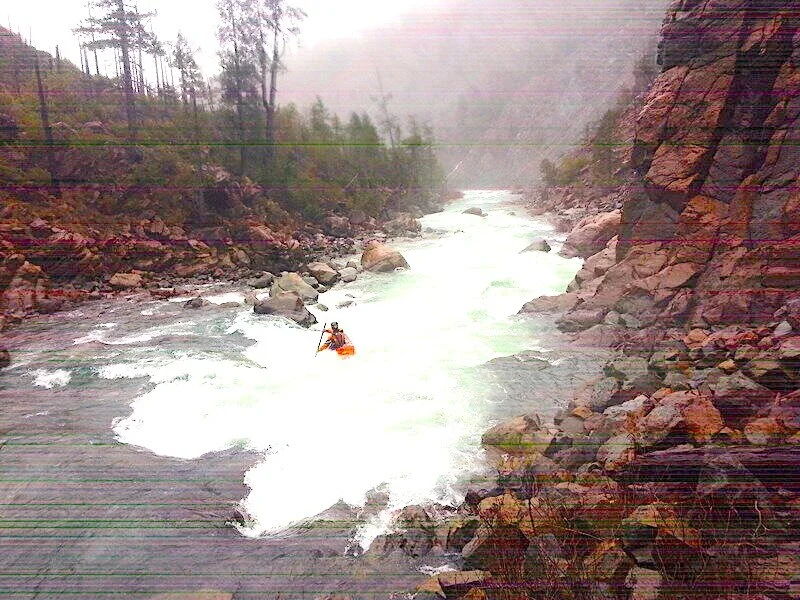
Pathbreaking Legislation to Conserve the Smith River Watershed
In mid-November, Senator Jeff Merkley (D-OR) introduced in Congress the proposed Smith River National Recreation Area Expansion Act (S.2875), which would expand the Smith River NRA to include all 58,000 acres of the Smith River watershed in Oregon (Map 1). The bill is cosponsored by Senator Ron Wyden (D-OR).

Speaking Truth to the Fire-Industrial Complex
Total suppression was neverpossible. Large wildfires have always ended either because they ran out of fuel or, most often, because the weather changed. (How many times have I read a newspaper quote from a fire boss or the fire’s public relations flack to the effect: “We had the fire under control, but then the weather changed.”

Cow-Bombing the World’s Largest Organism
The largest organism on Earth is one quaking aspen clone with more than forty-seven thousand stems (trees). This organism is being cow-bombed and otherwise abused. The cow-bombing, if not stopped, might well eventually result in the demise of the organism. As goes this singularly large quaking aspen clone, so may go the rest of the quakies in the American West.

Certified Wood from National Forests? No. Make That Hell No!
An effort is presently afoot in one forest certification organization (and it will be followed by others) to certify federal public forestlands within the National Forest System. To date, forest certification has centered on privately owned lands or some state-owned “public” lands. Certifying federal public forestlands is a foolish idea that should be abandoned at once.

The Hard Case of Hardrock Mining Reform (Part 2): Conservation Areas in Which to Just Say No
This two-part series examines legislation in Congress that would reform the infamous Mining Law of 1872. Part 1 focused on how mining on public lands should be administered in the twenty-first century. Part 2 focuses on pending legislation the conservation areas in which mining should be permanently banned.

The Hard Case of Hardrock Mining Reform (Part 1): Where Done, If It Cannot Be Done Right, Then Do It the Least Wrong
This two-part series examines legislation in Congress that would reform the infamous Mining Law of 1872. Part 1 focuses on how mining on public lands should be administered in the twenty-first century. Part 2 will focus on the pending legislation and conservation areas in which mining should be permanently banned.
Showdown for the Oregon Wildlands Act
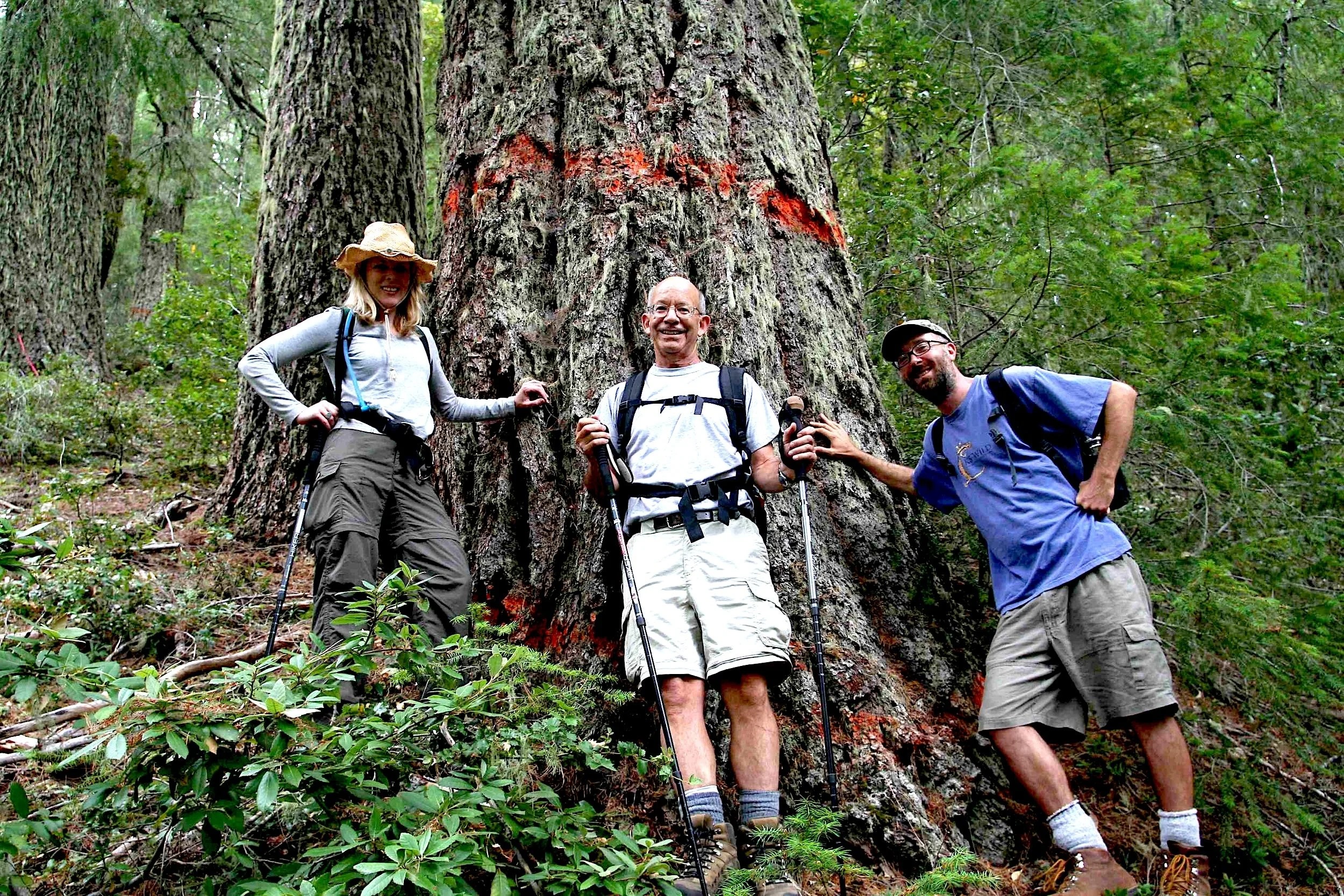
The Oregon Wildlands Act is now the law of the land. Neither the Rogue Canyon National Recreation Area (98,150 acres), nor the Molalla National Recreation Area (~29,884 acres), as well as the Wild Rogue Wilderness Additions (~59,512) acres was included in the final version signed by President Trump.
Tipping Over Old-Growth Trees in the Name of Salmonid Conservation
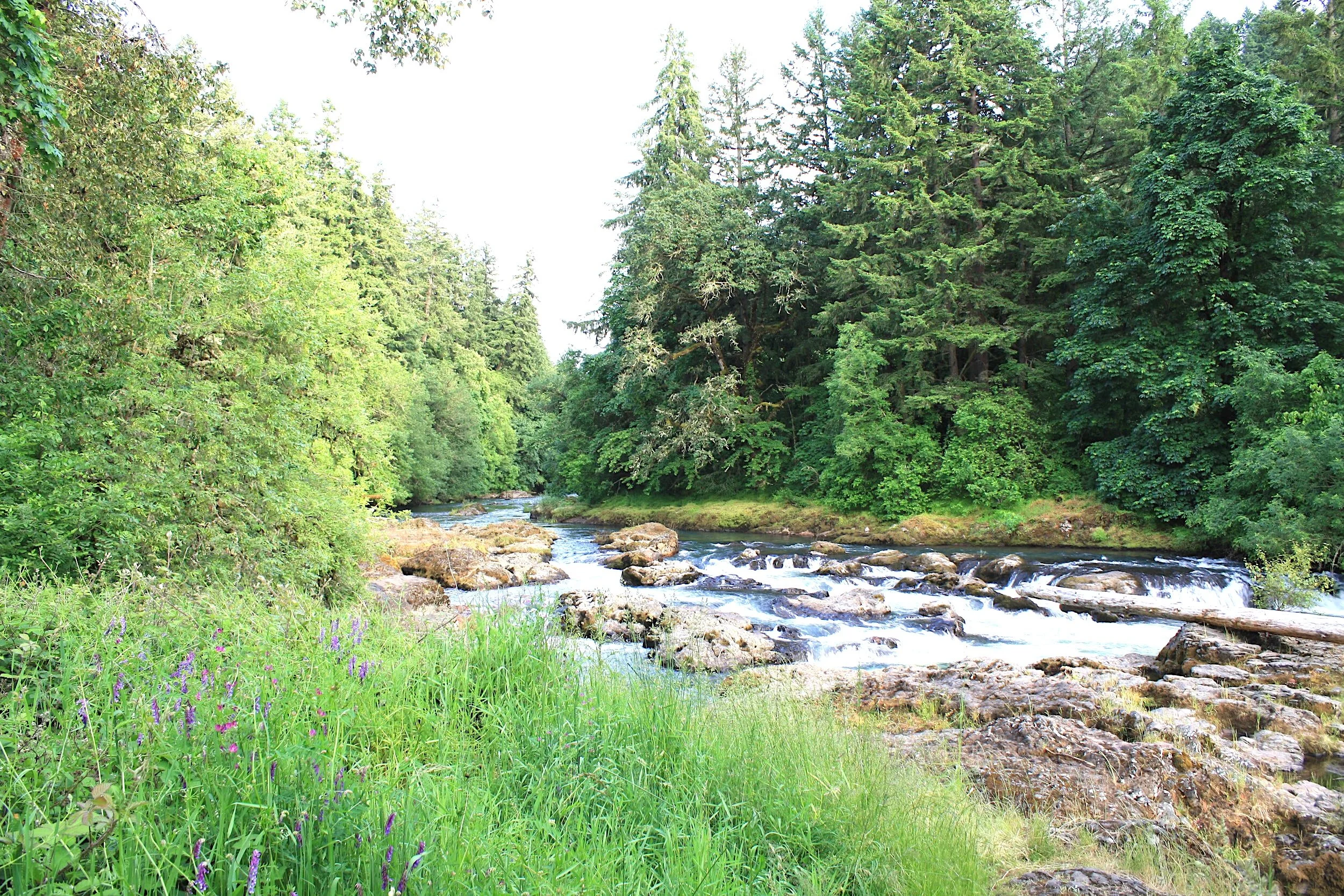
The Forest Service is proposing to mechanically push over at least thirty perfectly healthy and very tall and very large old-growth Douglas-fir trees into the uppermost Calapooia River, in the name of steelhead habitat enhancement. So-called tree-tipping is purported by some fish biologists to be helpful and by other experts to be harmful—or at best to be a distraction from getting the real restoration work done.
Lessons from Salem: Protecting Local Drinking Water Supplies
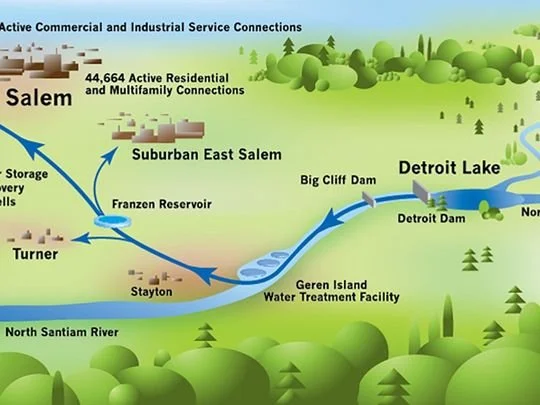
As of the end of June this year, four health advisory alerts had been issued this summer for Detroit “Lake” (it is actually an impounded river more accurately called a reservoir) on the North Santiam River.

The National Wild and Scenic Rivers System, Part 2: Rounding It Out and Cleaning It Up (For Oregon, If Not Elsewhere)
This is the second part of a two-part examination of the National Wild and Scenic Rivers System. In Part 2, we examine the possibilities of protecting additional wild and scenic rivers with a focus on Oregon, and closing a notorious mining loophole in the original act.

The National Wild and Scenic Rivers System, Part 1: A Vital National Conservation Purpose
This is the first part of a two-part examination of the National Wild and Scenic Rivers System. In Part 1, we examine the history of the Wild and Scenic Rivers Act of 1968, the size of the system and how it works, and the outsized role Oregon has played in the development of the system.

The National Wilderness Preservation System, Part 3: The Promise of and a Promise to Wilderness
This is the third installment of a three-part series on the National Wilderness Preservation System. Part 3 demands a rededication to wilderness for the benefit of this and future generations.
The National Wilderness Preservation System, Part 2: Past Progress Stalled
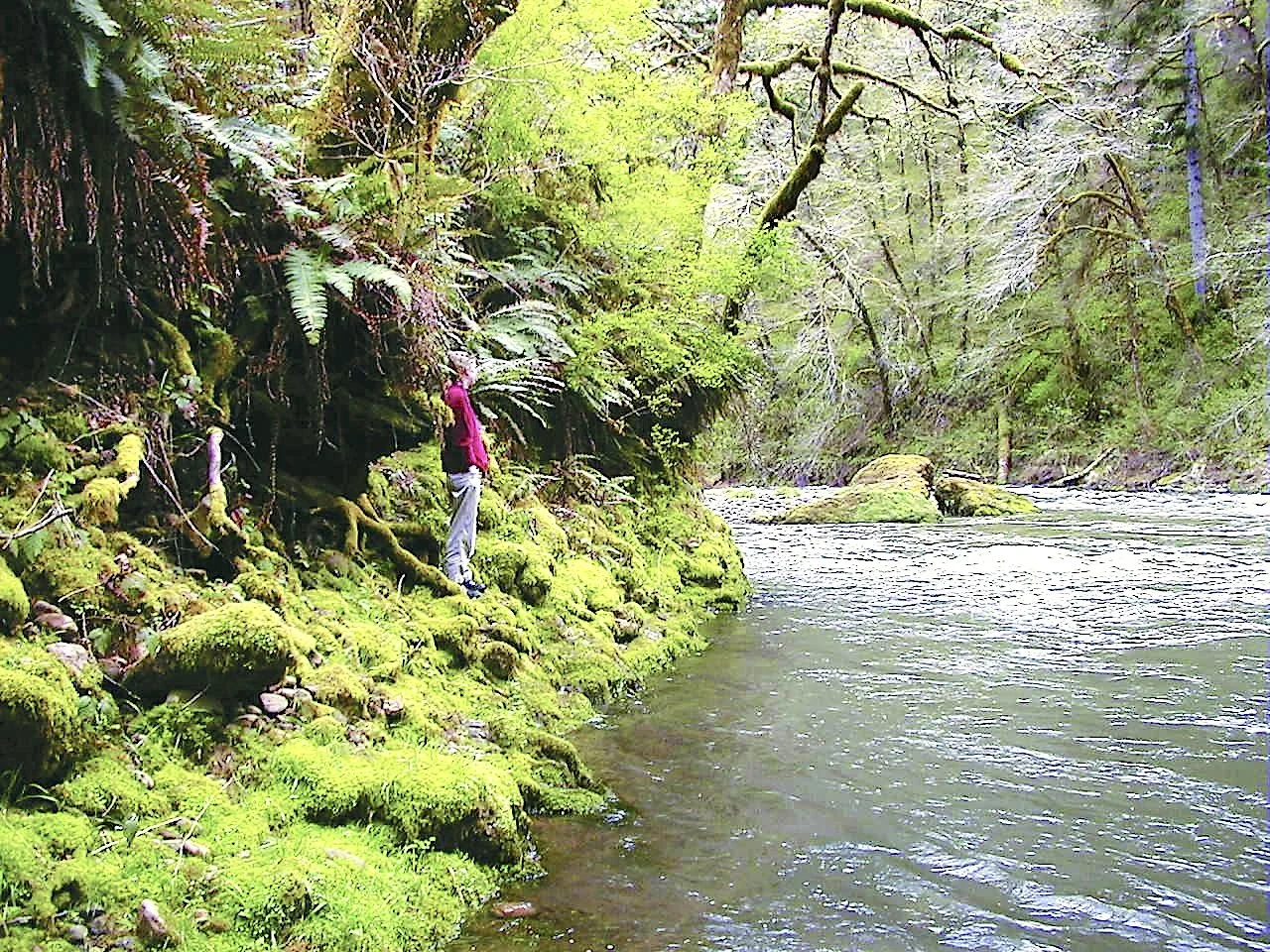
This is the second installment of a three-part series on the National Wilderness Preservation System. Part 2 chronicles past great progress and the current great stagnation.

Defensible Space: The Best and Only Hope for the Homeowner In or Near a Forest
If one is going to live in or near a forest, one assumes a higher risk of fire. The best way to minimize that risk is to seriously and continually create and maintain defensible space. It’s not cheap. If it were, it would have been done already.