Sort By Category
- 30x30
- Administration
- Antiquities Act
- Book Reviews
- Bureau of Land Management
- Climate Change
- Coasts
- Congress
- Counties & Federal Lands
- Courts
- Courts & Litigation
- Department of Agriculture
- Department of Interior
- Deserts
- Ecological Reserves
- Ecosystems
- Elections
- Endangered Species
- Energy
- Estuaries
- Federal Lands
- Fish
- Fish and Wildlife Service
- Forest
- Forest Service
- Forestry
- Forests
- Grasslands
- Land & Water Cons. Fund
- Land & Water Conservation Fund
- Legislation
- Litigation
- Livestock Grazing
- Marine National Monuments
- Marine Protected Areas
- Marine Sanctuaries
- Mature and Old-Growth Forest
- Mining
- Nat'l Conservation Lands
- National Forest System
- National Marine Sanctuaries
- National Monuments
- National Monuments Act
- National Park Service
- National Park System
- National Parks
- National Recreation Area
- National Scenic Area
- National Trails System
- National Wildlife Refuges
Sort By Tag
- 1002 area
- 30x30
- 5th Amendment
- ANWR
- Acadia National Park
- Adam Smith
- Administrative Procedure Act
- Advancing Conservation and Education Act
- Alan Bates
- Alan Deboer
- Alaska
- Alaska National Interest Lands Act
- Alaska Native Claims Settlement Act
- Aldo Leopold
- American Forest Resource Council
- American Prairie Reserve
- American Tree Farm System
- American beef supply
- American black duck
- American woodcock
- Ammon Bundy
- Ancient Forest National Park
- Anders Eskil Carlson
- Andrea Salinas
- Andrew N. Gray
- Andy Kerr
- Animal unit month
- Ansel Adams
- Antiquities Act
- Applegate Primitive Backcountry Area
- Aqua Fria National Monument
- Aquatic Conservation Strategy
- Aquatic Conservation and Riparian Strategy
- Arches National Monument
- Arches National Park
- Arctic National Wildlife Refuge
- Areas of Critical Environmental Concern
- Army Corps of Engineers
- Association of O&C Counties
- Astoria Canyon
- Astoria Fan
- Atlantic Coast
- Augusta Canal NHA
- Avarna Group
- Avi Kaw Ame
- BLM Conservation Rule
- BLM Zone 3 Lands
- BOEM Oregon Planning Area
- Baboquivari Peak Wilderness
- Baker County

Retiring Grazing Permits, Part 2: History of the Voluntary Retirement Option
This is the second of a three-part exploration of retiring permits for grazing on federal public lands. Part 1 examined the state of the public lands grazing industry and made the case for the equitable end to abusive livestock grazing on public lands. Part 2 reviews the history of congressional and other actions to facilitate retirement of federal grazing permits. Part 3 will speculate on the future of this conservation tool.
Retiring Grazing Permits, Part 1: Context and Case for the Voluntary Retirement Option
This is the first of a three-part exploration of retiring permits for grazing on federal public lands. Part 1 examines the state of the public lands grazing industry and makes the case for the equitable end to abusive livestock grazing on public lands. Part 2 will review the history of congressional and other actions to facilitate retirement of federal grazing permits. Part 3 will speculate on the future of this conservation tool.

Malheur County Federal Land Legislation Take 4, Part 2: The Ugly, the Missing, and the Alternative
As it’s a complex piece of policy and politics, this is the second of two parts, the first of which was published last week. Part 1 analyzed the legislation in terms of the good, the bad, and the whatever. This Part 2 will analyze the ugly and the missing, and suggest an alternative.

Malheur County Federal Land Legislation Take 4, Part 1: The Good, the Whatever, and the Bad
With a few critical tweaks, Senator Wyden’s legislation could be a net gain for the conservation of nature for the benefit of this and future generations. Without those tweaks, the bill as drafted is an existential threat to the conservation of federal public lands and should not be enacted into law.

Preforests in the American West, Part 2: “Reforestation,” By Gawd?
This is the second of a two-post exploration of the stage of forest succession that occurs after a stand-replacing event and before the canopy again closes and dominates the site. Part 1 discussed why preforests are valuable, if undervalued. Part 2 addresses management of preforests to preserve their ecological value.

Preforests in the American West, Part 1: Understanding Forest Succession
This is the first of a two-post exploration of the stage of forest succession that occurs after a stand-replacing event and before the canopy again closes and dominates the site. In Part 1, we discuss why preforests are valuable, if undervalued. In Part 2, we will address management of preforests to preserve their ecological value.

Book Review: Our Common Ground: A History of America’s Public Lands
Understanding the history of public lands is useful if one is to be the best advocate for the conservation of public lands.
Senator Wyden’s Owyhee Wilderness, and More, Legislation
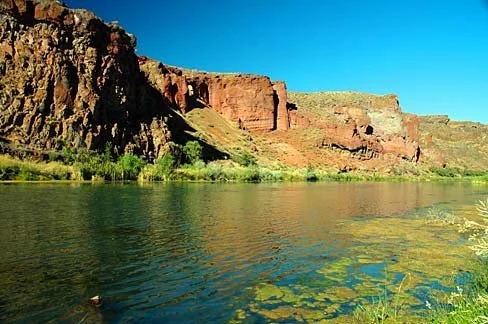
This third try may be the charm in Senator Wyden’s long effort to enact public lands legislation to conserve wildlands in the Owyhee and lower Malheur Basins in Oregon.
Blumenauer’s REC Act of 2022: A Wreck for Conservation
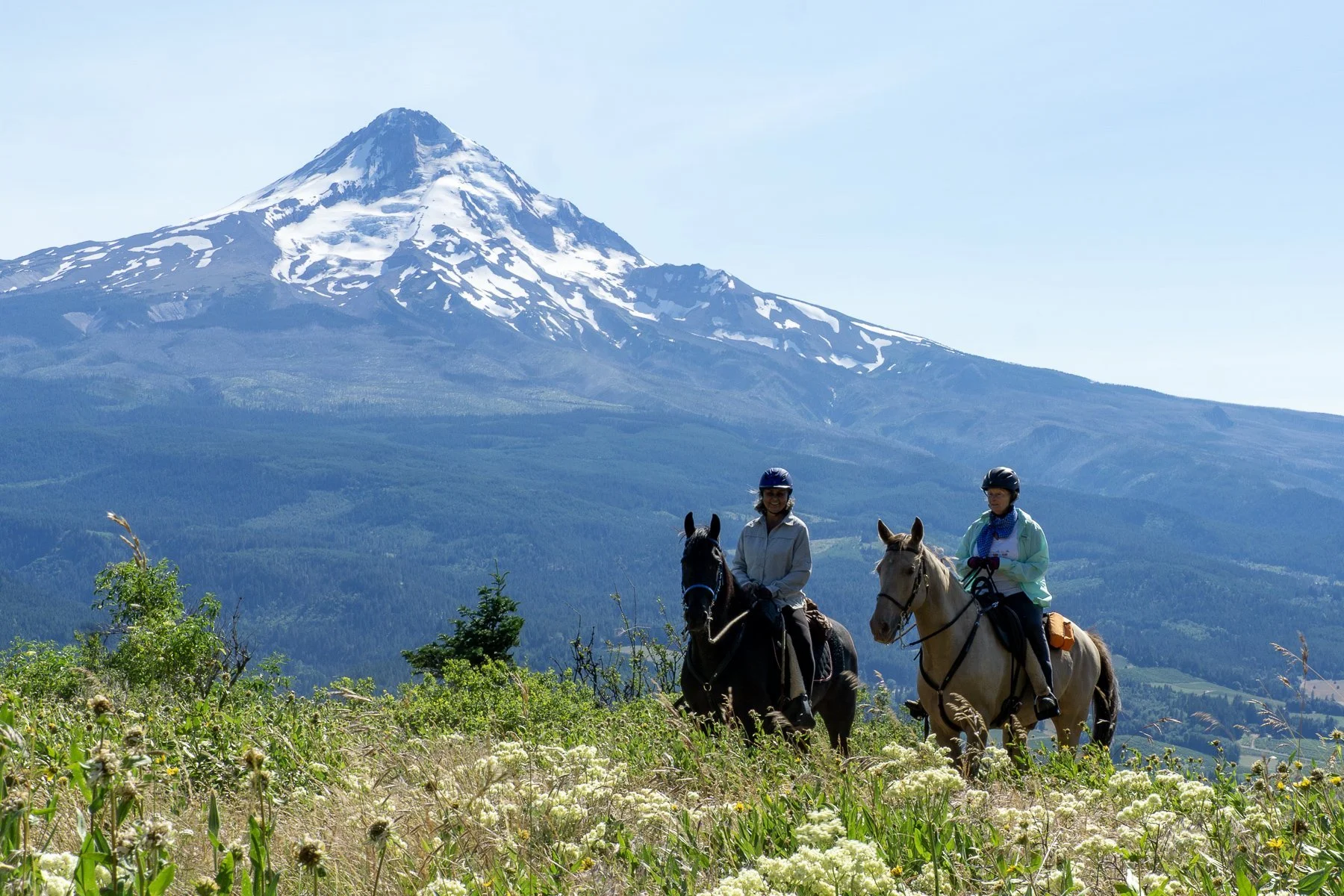
Blumenauer’s bill would open up Mount Hood National Forest to new logging loopholes.

Mark Odom Hatfield, Part 1: Oregon Forest Destroyer
This is the first of two Public Lands Blog posts on the most consequential Oregonian yet to serve in the United States Senate. In Part 1, we look at his role in enabling the destruction of Oregon forests. In Part 2, we will examine his complicated legacy. While Oregon’s Mark Hatfield was a great US senator, it was not because of his record on the conservation of nature.

30x30, Part 3: Forty-Four Tasty Conservation Recipes One Can Make at Home—If One Lives in the White House
This is the third of three Public Lands Blog posts on 30x30, President Biden’s commitment to conserve 30 percent of the nation’s lands and waters by 2030. In Part 1, we examined the pace and scale necessary to attain 30x30. In Part 2, we considered what constitutes protected areas actually being “conserved.” In this Part 3, we offer up specific conservation recommendations that, if implemented, will result in the United States achieving 30 percent by 2030.
Clinton and Obama Giveth, Trump Taketh, and Biden Restoreth: Two National Monuments in the State of Utah
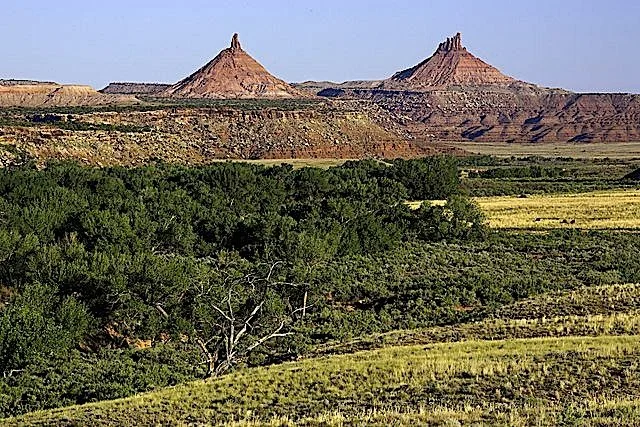
Two national monuments in Utah have been restored, but it isn’t over.
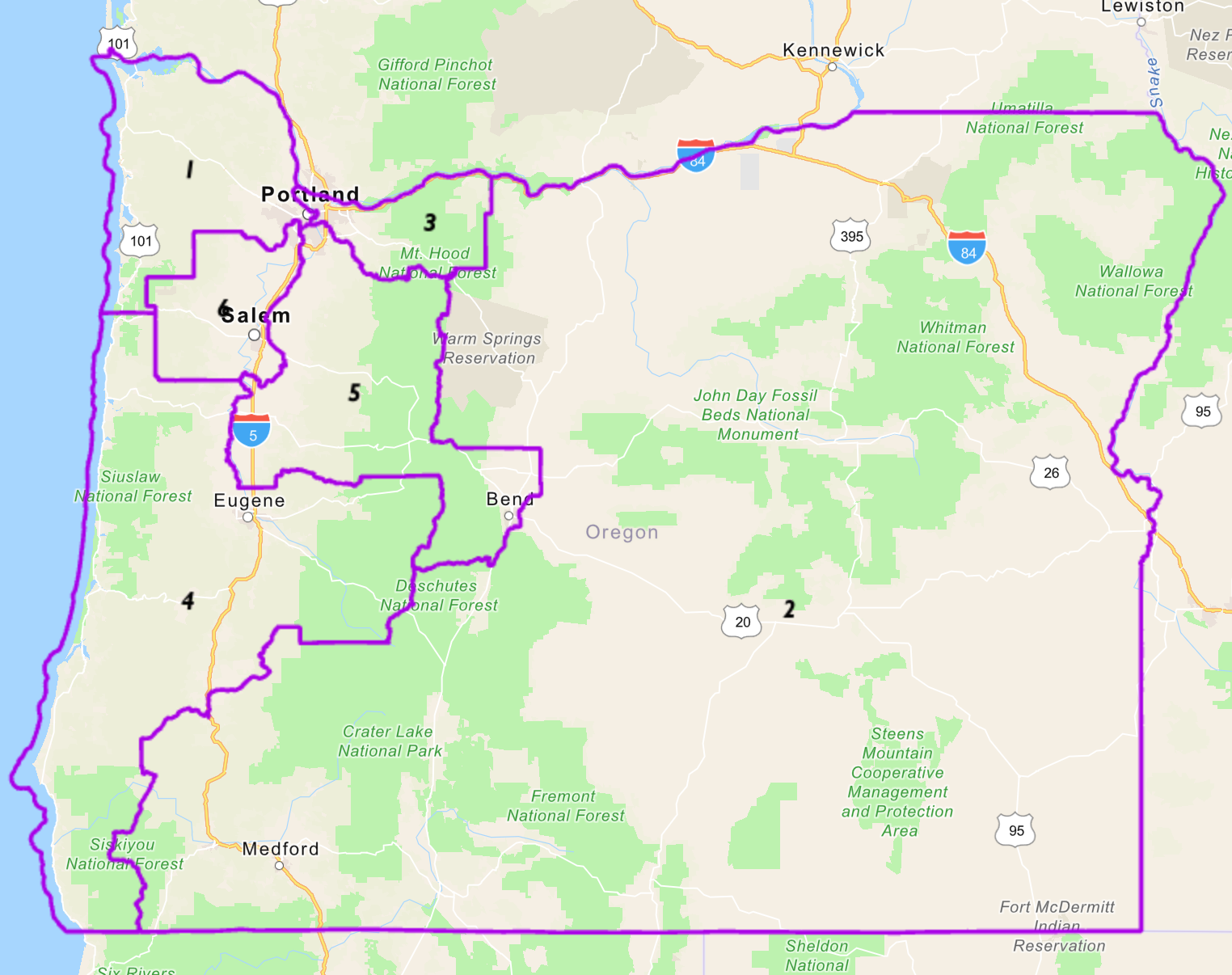
Oregon’s New Congressional Districts and Conserving Public Lands
Oregon’s redrawn congressional districts will affect the prospects for federal public lands conservation.
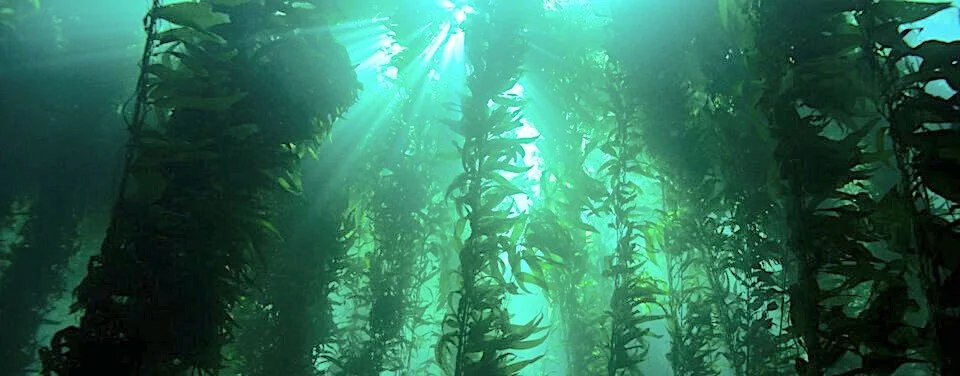
Oregon’s Blue Carbon, Part 1: Rep. Bonamici on the Case
This is the first of three Public Lands Blog posts that focus on Oregon’s coast. Part 1 looks at Oregon’s (and the nation’s) “blue carbon” and a congressional effort to conserve and restore it. Part 2 will examine coastal wetland loss, conservation, and restoration. Part 3 will describe a now very rare type of coastal wetland: the tidal swamp or tidal forested wetland.
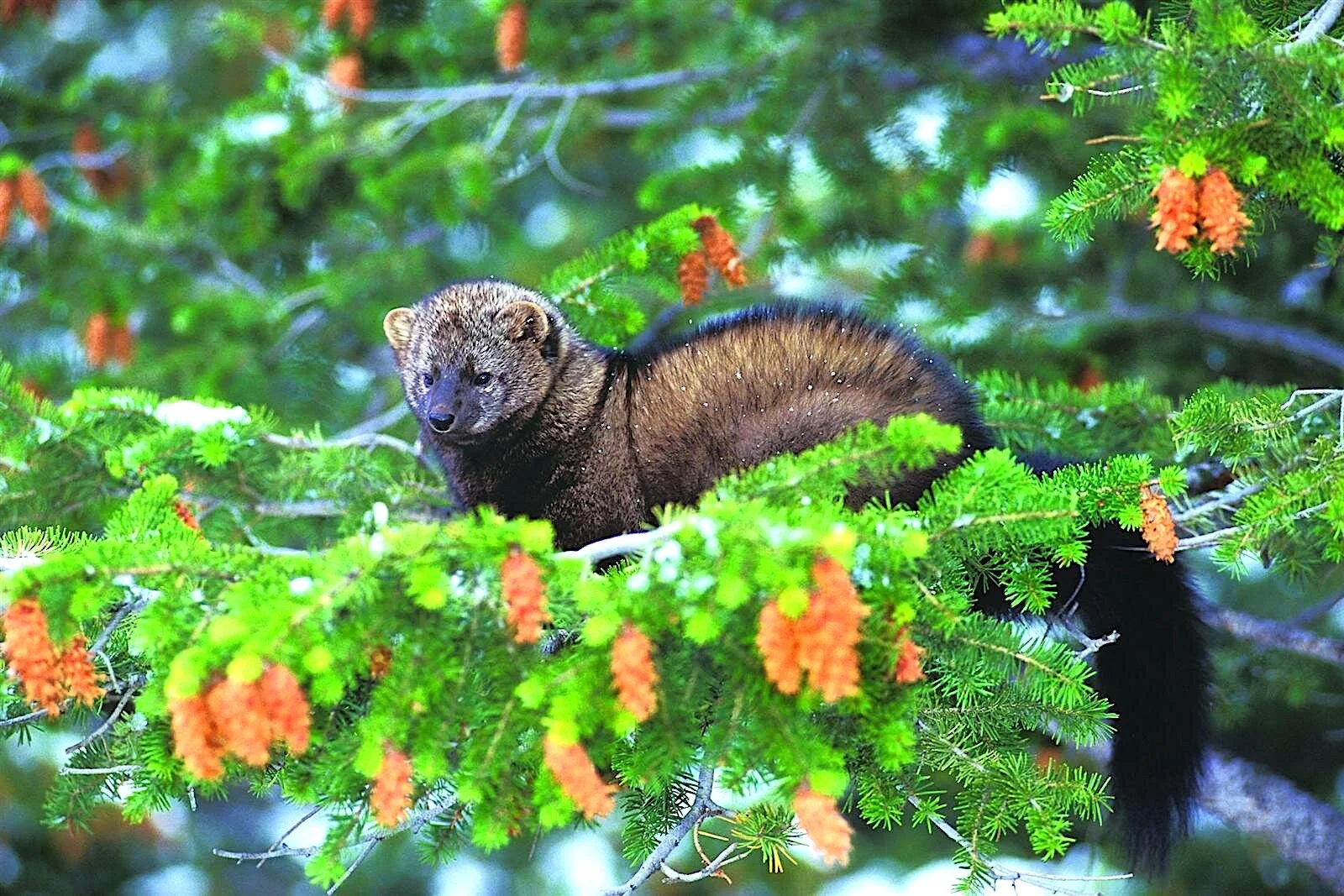
The Proposed Recovering America’s Wildlife Act
Most fish and wildlife funding in the United States goes to game species. However, a third of our wildlife species are imperiled and/or vulnerable, and mostly not because of hunting and fishing
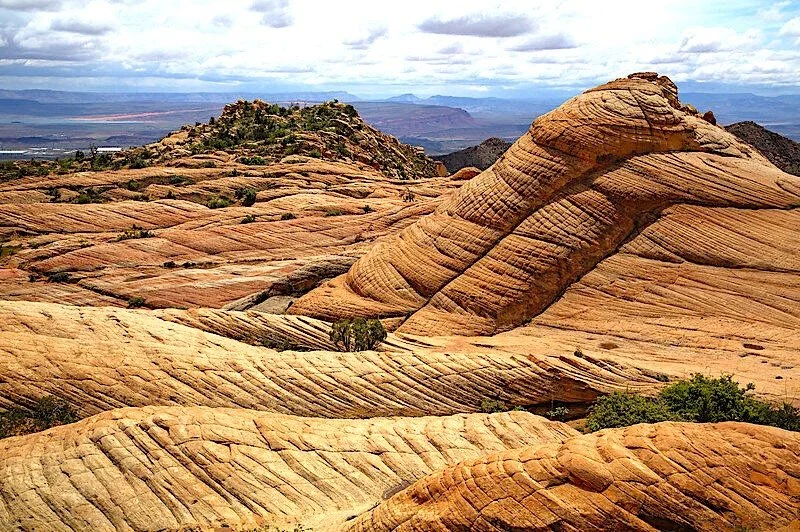
Roading the Red Cliffs: Unnecessary, and Illegal to Boot
The Colorado Plateau, the Great Basin Desert, and the Mojave Desert come together in Washington County, Utah, where the Red Cliffs National Conservation Area (RCNCA) is generally centered. In this transition zone, unusual plant and animal species have evolved, including the dwarf bearclaw-poppy (Arctomecon humilis) and Shivwits milk-vetch (Astragalus ampullarioides), small native plants that grow nowhere else on earth.

Preremembering Jerry Franklin and Norm Johnson, Oregon Conservationist
The old forests of the Pacific Northwest are in far better condition today than they would be if not for Professors Jerry F. (for Forest!) Franklin and K. Norman Johnson. “Norm and Jerry,” as they are affectionately (or, depending upon your point of view, derisively) known, have had a greater positive impact on federal forest policy in the Pacific Northwest than any other individuals.
The Proposed Roadless Area Conservation Act: Work Still Needed
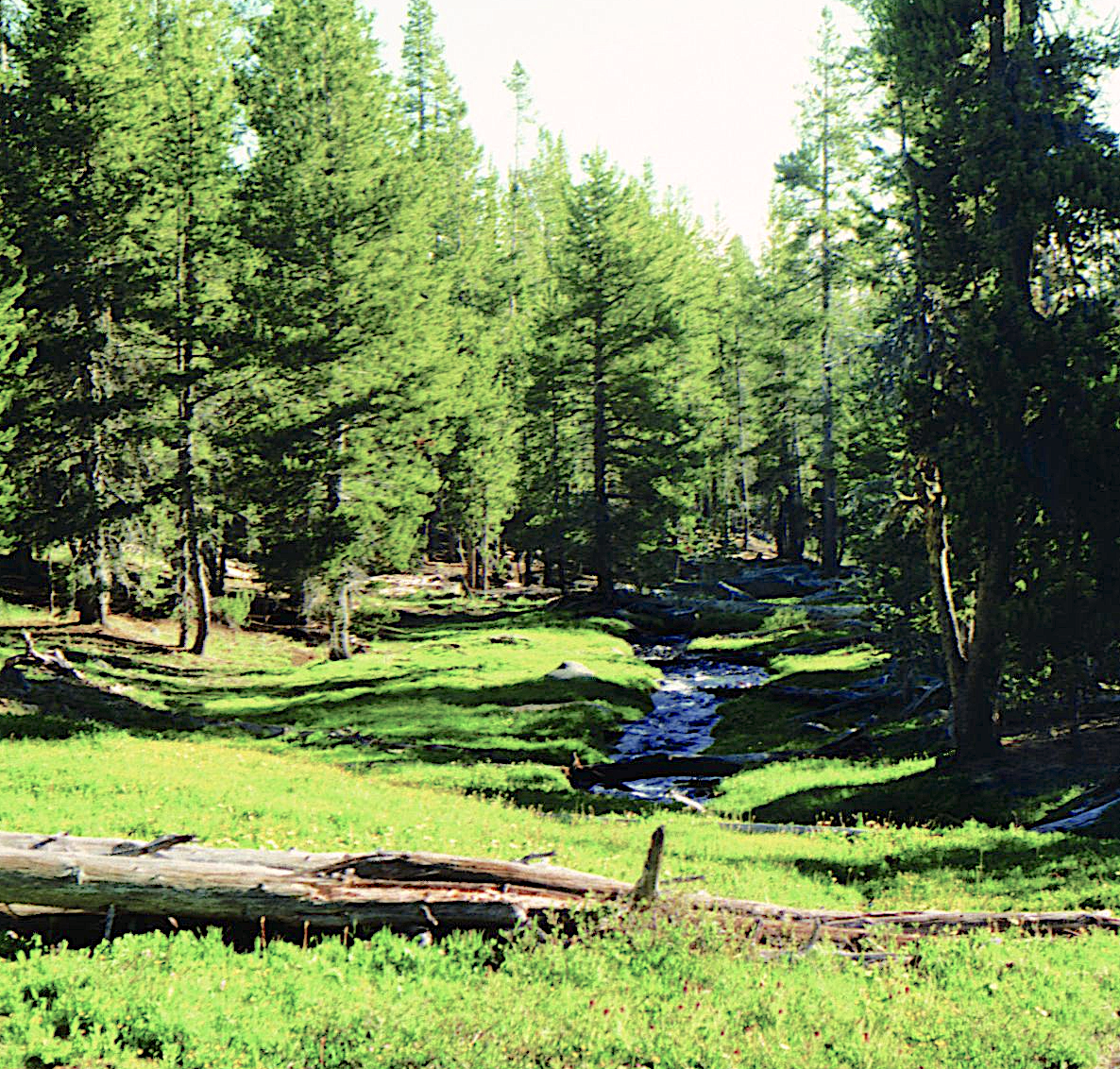
Soon after the first attacks on the roadless rule, legislation was introduced in both the Senate and the House of Representatives to “codify” the roadless rule into a statute, making it part of the United States Code. The first roadless area bills were introduced in 2002 in the 107th Congress. The bills have been reintroduced in most, but not all, Congresses since 2002 and are due to be introduced again.
The Simpson Salmon Strategy
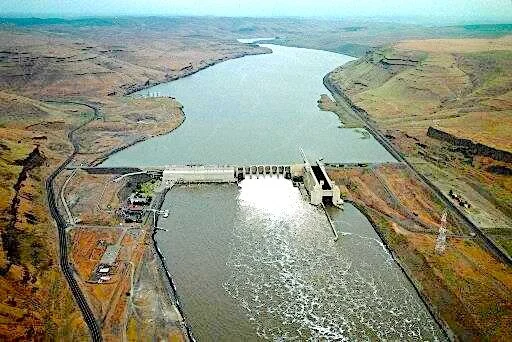
“Despite spending over $17 billion on fish recovery efforts, Idaho salmon and steelhead numbers are not improving and will continue to get worse,” says Representative Mike Simpson (R-2-ID). “Will we spend $20 billion more in the next thirty years only to have them go extinct anyway? The worse they get, the more we will spend.”

Wyden’s Unprecedently Good Wild and Scenic Rivers Legislation
The proposed River Democracy Act (RDA) would expand 42 existing wild and scenic rivers (WSRs) and establish 81 new wild and scenic rivers. All the proposed new and expanded components are listed at the end of this post.